Abuja is the federal capital of Nigeria, a purpose-built city in the country’s geographic center that replaced Lagos as the seat of government in 1991. Abuja sits within the Federal Capital Territory (FCT), a federal district carved out of Nigeria’s interior specifically to host the new capital, and the city is dominated visually by Aso
Abuja: History, Aso Rock and Key Facts About Nigeria’s Federal Capital Read More »
Abuja is Nigeria's purpose-built federal capital, dominated by the granite monolith Aso Rock.
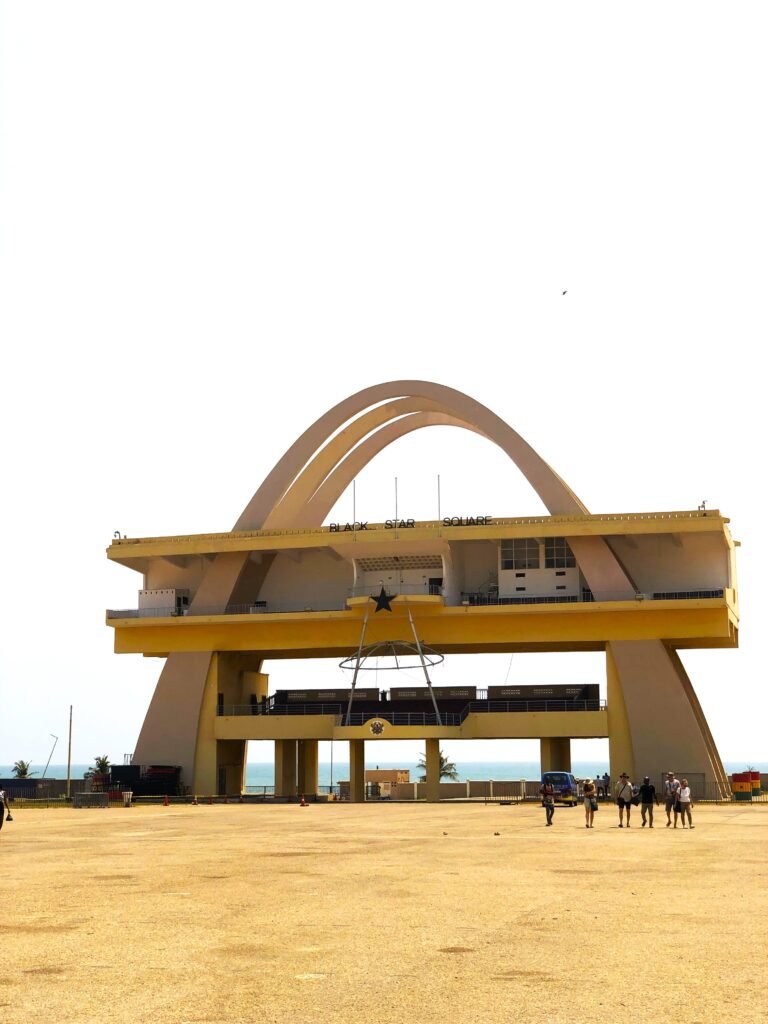
Accra is Ghana's capital, home to Independence Square, the monument to Ghana's 1957 independence.
Addis Ababa is Ethiopia's capital and the seat of the African Union, making it Africa's diplomatic capital.
Afghanistan is a landlocked country in South and Central Asia, bordered by Pakistan to the south and east, Iran to the west, and Turkmenistan, Uzbekistan and Tajikistan to the north, with a narrow strip in the northeast, the Wakhan Corridor, touching China. Its capital and largest city is Kabul. The country’s rugged, mountainous terrain, dominated
Afghanistan: Geography, History, Government and Key Facts Read More »
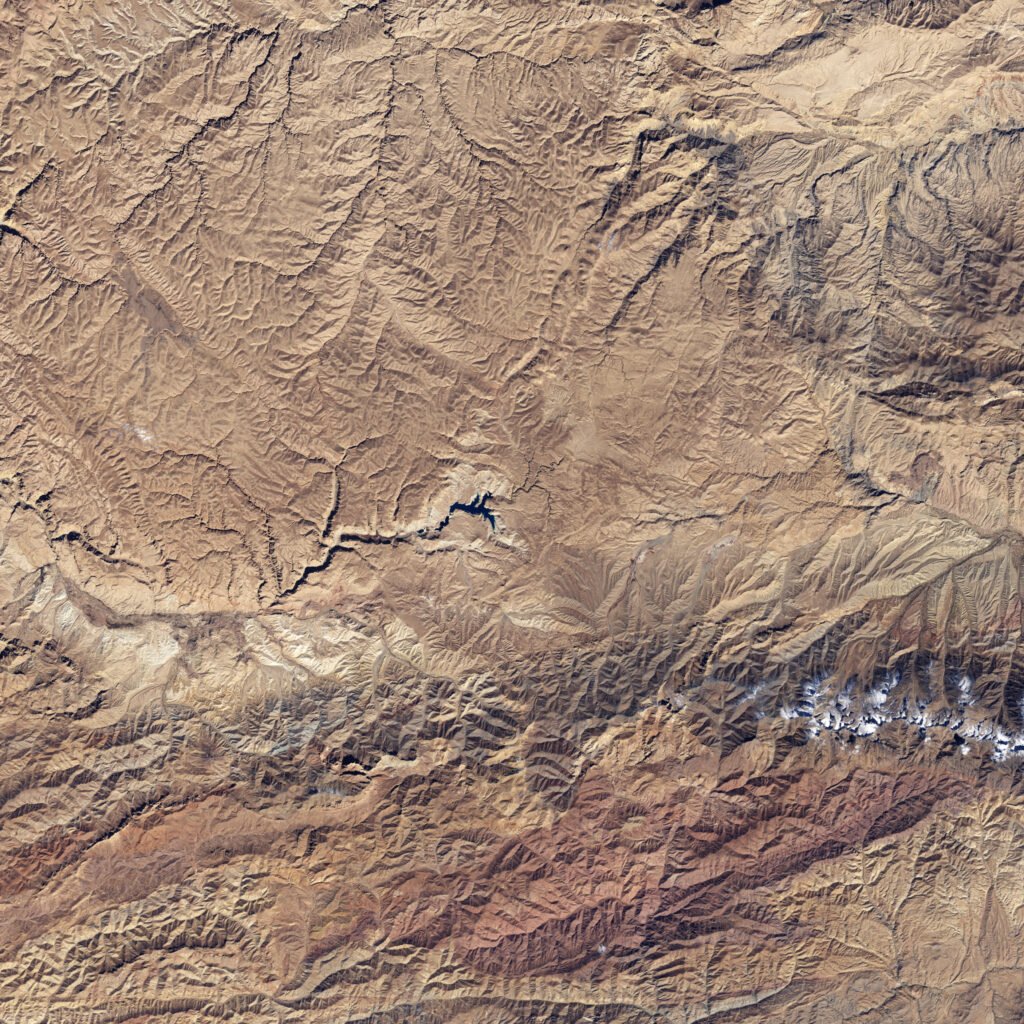
Afghanistan is a landlocked, mountainous country in South and Central Asia, bordered by Pakistan, Iran and three Central Asian states, with Kabul as its capital.
Agra is a city in the northern Indian state of Uttar Pradesh, known around the world as the home of the Taj Mahal, the white marble mausoleum that Mughal Emperor Shah Jahan built for his wife. It served as a Mughal capital before Delhi and remains one of the most visited cities in India largely
Agra: Geography, History, Culture and Key Facts Read More »
Agra, Uttar Pradesh, is home to the Taj Mahal, the Mughal mausoleum Shah Jahan built for his wife Mumtaz Mahal.
Alabama is a state in the southeastern United States, bordered by Tennessee to the north, Georgia to the east, Florida and the Gulf of Mexico to the south, and Mississippi to the west. Admitted to the Union in 1819, it is known for its rocket and space industry, its Gulf Coast port at Mobile, and
Alabama Read More »
Alabama is a southeastern U.S. state, admitted in 1819, with Montgomery as its capital and about 5 million residents.
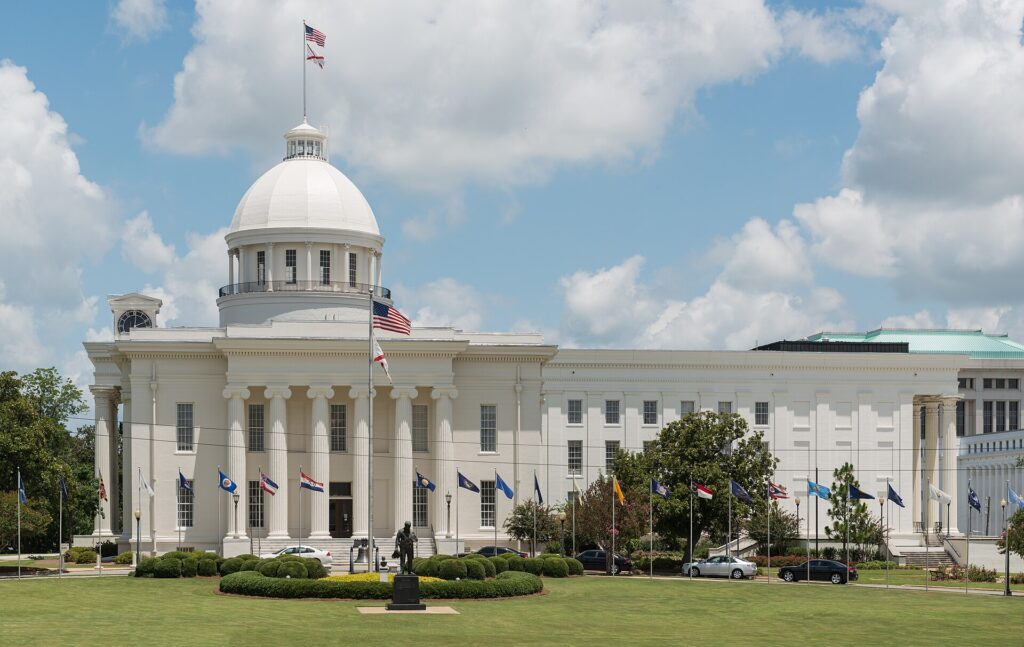
The Alabama State Capitol stands on Goat Hill in Montgomery and has housed state government since the legislature made the city the permanent capital in 1846 [1]. The first building there, designed by Philadelphia architect Stephen Button, was finished in 1847 and burned in 1849. The present Greek Revival capitol began in 1851 on the
Alabama State Capitol Read More »
The Alabama State Capitol, on Goat Hill in Montgomery, is a Greek Revival building begun in 1851 on the foundations of an earlier capitol that burned in 1849.
Alabaster is in Shelby County in central Alabama [1]. The community was created in the early 1920s as housing for employees of the Alabaster Lime Company and took its name from the company and from a mineral found with limestone. Its location on Highway 31, then the main road between Birmingham and Montgomery, helped it
Alabaster, Alabama Read More »
Alabaster, in Shelby County, began as lime company housing in the 1920s and had 33,373 residents in the 2020 census estimates.
Alaska is a state in the far northwestern corner of North America and the largest state of the United States by area, covering about 665,000 square miles. Separated from the contiguous states by Canada, it is bordered by the Yukon and British Columbia to the east and faces Russia across the Bering Strait. Admitted to
Alaska (State Profile) Read More »
Alaska is the largest U.S. state by area, admitted in 1959 as the 49th state, with Juneau as its capital and about 733,000 residents.
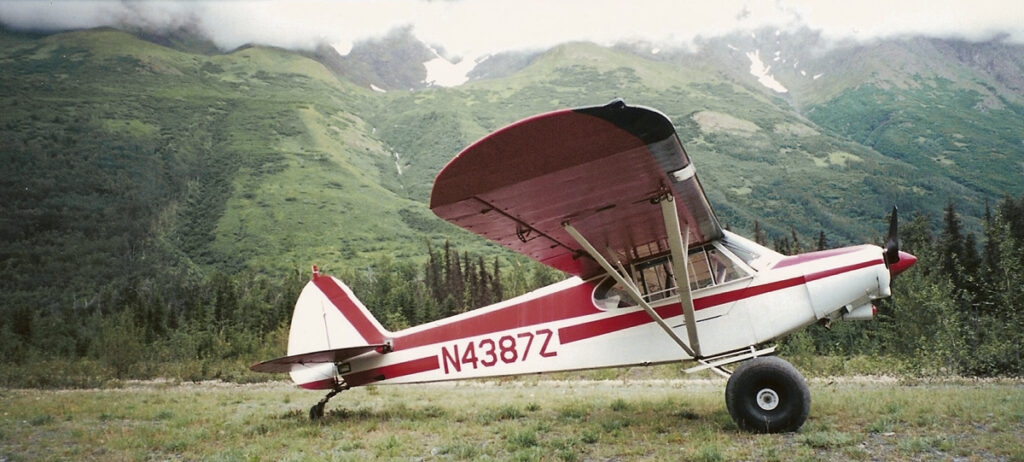
The Alaska Bush, usually called simply the Bush, is any region of Alaska that is not connected to the North American road network and lacks ready access to the state ferry system. Much of rural Alaska falls within it, including the North Slope, Northwest Arctic, the Yukon–Kuskokwim Delta, Bristol Bay and the Alaska Peninsula. A
Alaska Bush Read More »
The Alaska Bush is remote rural Alaska not connected to the road network, reached mainly by air.