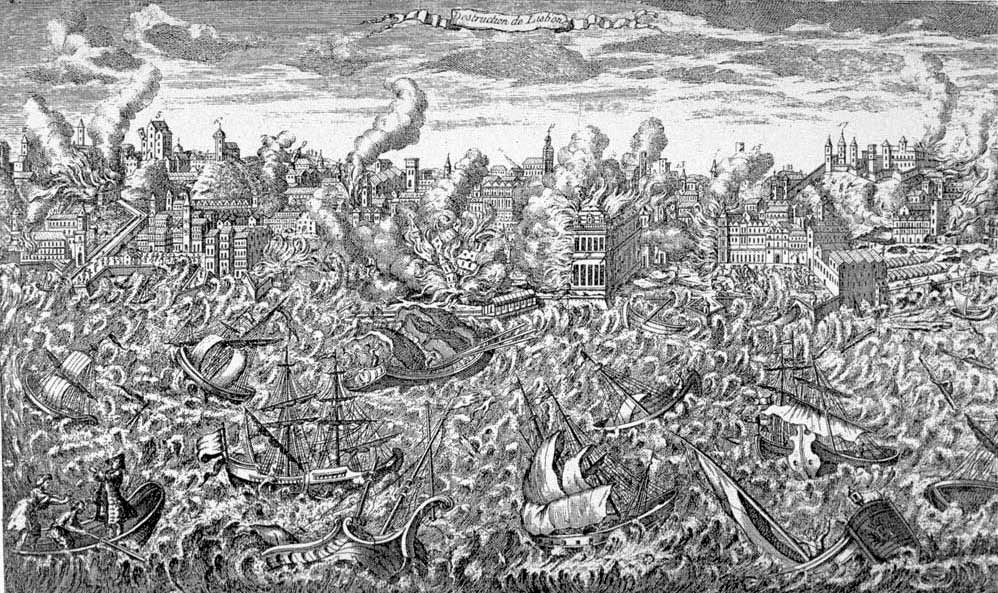
The 1755 Lisbon earthquake was a great earthquake that struck off the coast of Portugal on the morning of 1 November 1755, followed by fires and a tsunami that devastated the capital, Lisbon. Estimates of the dead range from about 10,000 to well over 30,000, and the disaster reshaped European thought, science and city planning.
1755 Lisbon earthquake Read More »
Great Atlantic earthquake of 1 November 1755 that, with fires and a tsunami, destroyed much of Lisbon and killed tens of thousands.
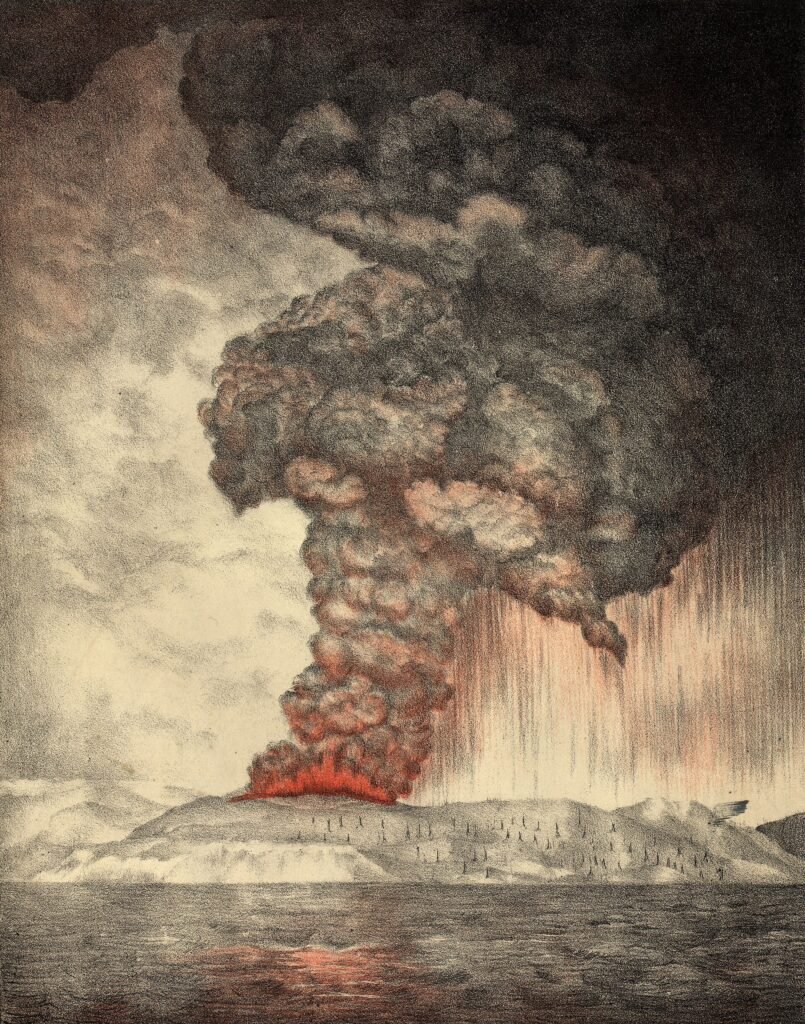
The 1883 eruption of Krakatoa was a catastrophic volcanic explosion in the Sunda Strait, between the Indonesian islands of Java and Sumatra, that reached its peak on 26 and 27 August 1883. It destroyed most of Krakatau Island and killed about 36,000 people, mostly in tsunamis that struck nearby coasts. The blast was heard thousands
1883 eruption of Krakatoa Read More »
Catastrophic volcanic eruption in Indonesia's Sunda Strait on 26 and 27 August 1883 that destroyed most of Krakatau Island and killed about 36,000 people.
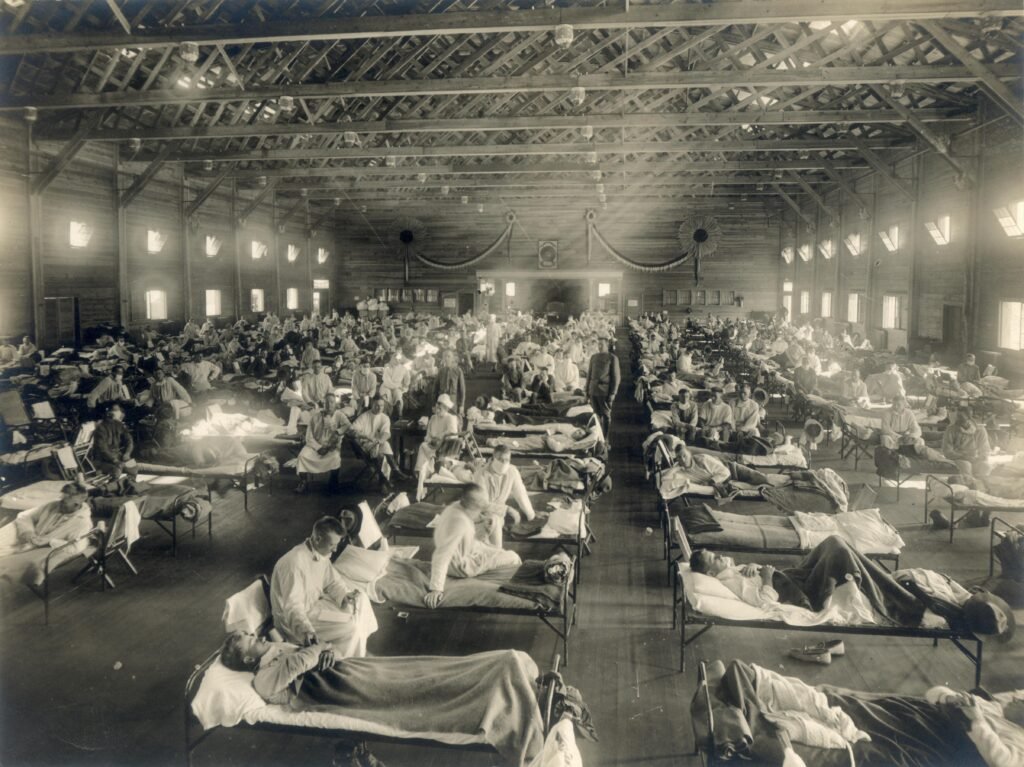
The 1918 influenza pandemic was a worldwide outbreak of influenza A (H1N1) that lasted from 1918 into 1919 and is often called the Spanish flu. The Centers for Disease Control and Prevention (CDC) estimates that about 500 million people, roughly one third of the world’s population, were infected, and that at least 50 million died,
1918 influenza pandemic Read More »
A global H1N1 influenza outbreak in 1918 and 1919 that infected about 500 million people and killed at least 50 million.
The 1925 serum run to Nome, also called the Great Race of Mercy, was a relay in January and February 1925 in which about 20 dog sled teams carried diphtheria antitoxin 674 miles (1,085 km) from Nenana to Nome, Alaska, in about 127.5 hours. It brought help to a town of about 1,430 people threatened
1925 Serum Run to Nome Read More »
The 1925 serum run was a dog sled relay that carried diphtheria antitoxin 674 miles from Nenana to Nome in about 127.5 hours.
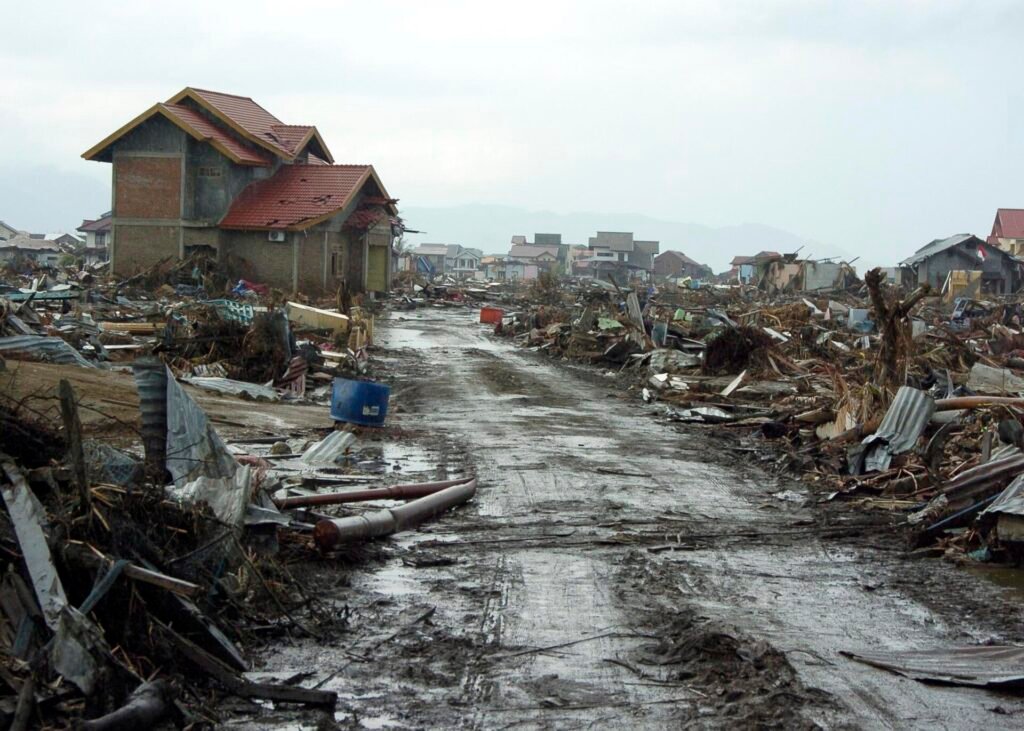
The 2004 Indian Ocean earthquake and tsunami was a magnitude 9.1 undersea earthquake off the west coast of Sumatra, Indonesia, on 26 December 2004, followed by tsunami waves that struck coastlines around the Indian Ocean. The United Nations has estimated that about 227,000 people were killed in fourteen countries, making it the deadliest tsunami in
2004 Indian Ocean earthquake and tsunami Read More »
Magnitude 9.1 undersea earthquake off Sumatra on 26 December 2004 whose tsunami killed an estimated 227,000 people or more in fourteen countries.
Alabama fever was the phrase, already in use by 1817, for the rush to claim land in the former West Florida and East Mississippi territories, a migration that helped carry Alabama to statehood by 1819 [1]. Historians also use the term for the wider cotton frontier that spread from the Atlantic states into Alabama, Mississippi,
Alabama Fever (Land Rush) Read More »
Alabama fever was the rush of settlers into Alabama's newly opened cotton land, which lifted the population from under 10,000 in 1810 to over 127,000 in 1820.
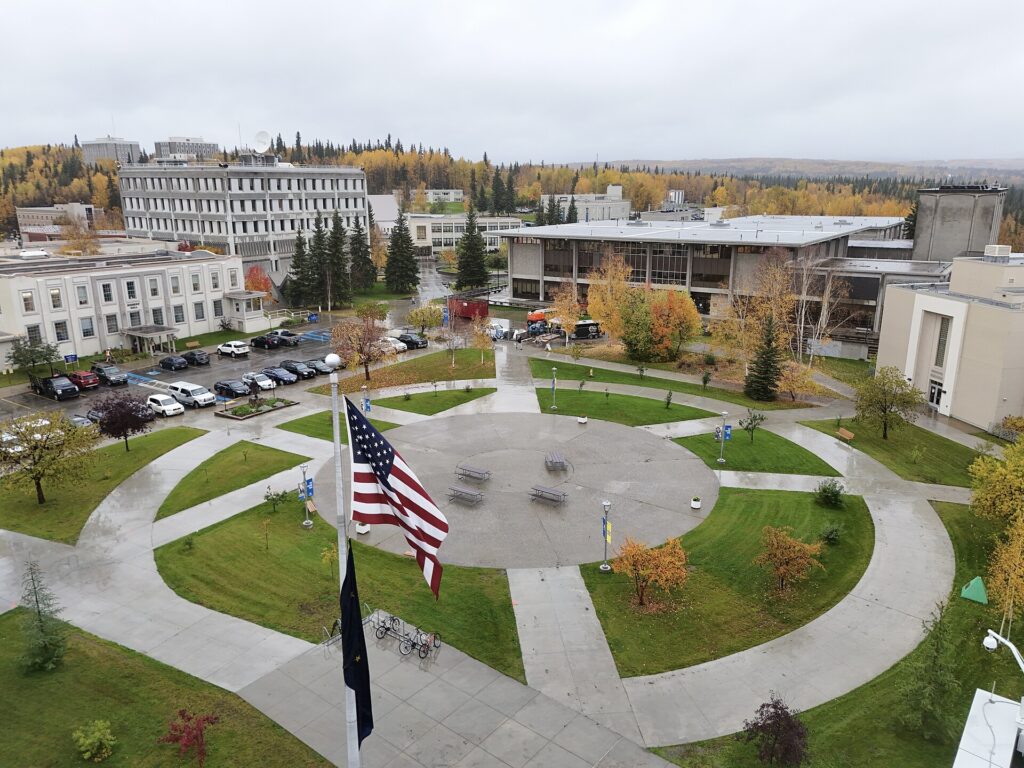
The Alaska Constitutional Convention was the 1955–1956 gathering of 55 elected delegates at the University of Alaska in College, near Fairbanks, that drafted the constitution of the future state of Alaska. Meeting from November 8, 1955, delegates adopted the document on February 5, 1956, after 75 days, and territorial voters ratified it on April 24,
Alaska Constitutional Convention (1955–1956) Read More »
The Alaska Constitutional Convention of 1955–56 drafted the state constitution at the University of Alaska in 75 days.
The Alaska Purchase was the acquisition of Alaska by the United States from the Russian Empire in 1867 for $7.2 million. Negotiated by Secretary of State William H. Seward and Russian diplomat Eduard de Stoeckl, the treaty was signed on March 30, 1867, ratified by the U.S. Senate on April 9, and put into effect
Alaska Purchase (1867) Read More »
The Alaska Purchase was the 1867 acquisition of Alaska from Russia for $7.2 million, negotiated by Secretary of State William H. Seward.
The Alaska State Fair is an annual agricultural fair held in Palmer, about an hour north of Anchorage, for roughly twelve days from late August into early September. The first fair ran 4–7 September 1936 and the event is known for giant vegetables.[1] Giant cabbages at the Alaska State Fair. Photo: Staff Sgt. Sheila deVera
Alaska State Fair Read More »
Palmer’s late-summer agricultural fair, known for giant cabbages.
The Aleutian Islands campaign was a World War II campaign fought from June 3, 1942, to August 15, 1943, on and around the Aleutian Islands of the Territory of Alaska. It is the only World War II campaign fought on North American soil. Japan occupied the islands of Kiska and Attu in June 1942, and
Aleutian Islands Campaign (World War II) Read More »
The Aleutian Islands campaign was the only World War II campaign fought on North American soil, lasting from June 1942 to August 1943.