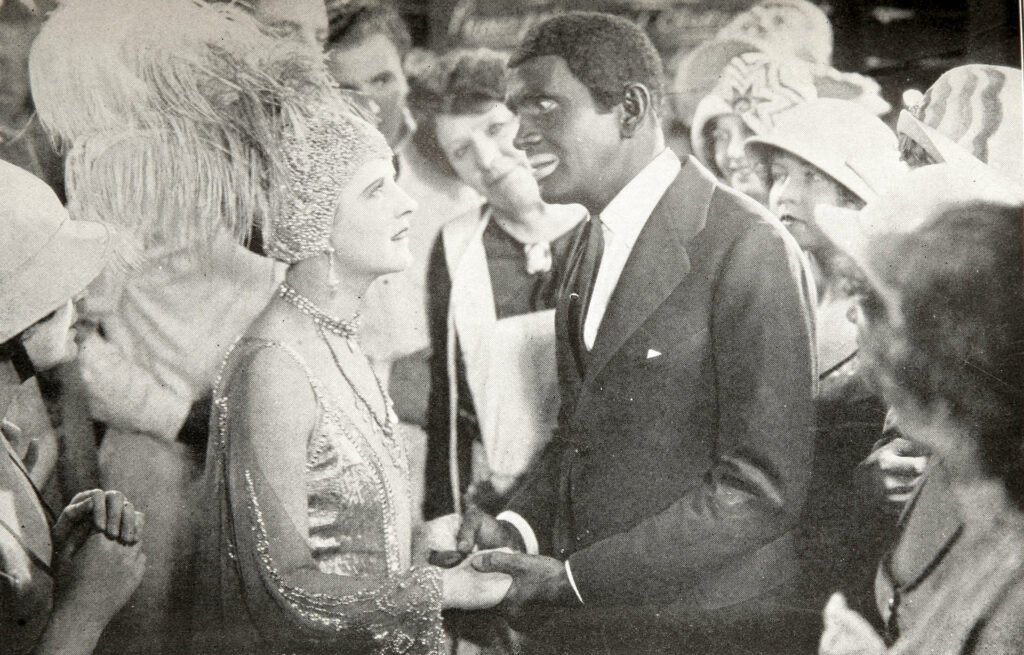
Hollywood Finds Its Voice
Warner Bros. gambles its future on a melodrama with a few minutes of synchronized dialogue, and silent film’s remaining years begin counting down.
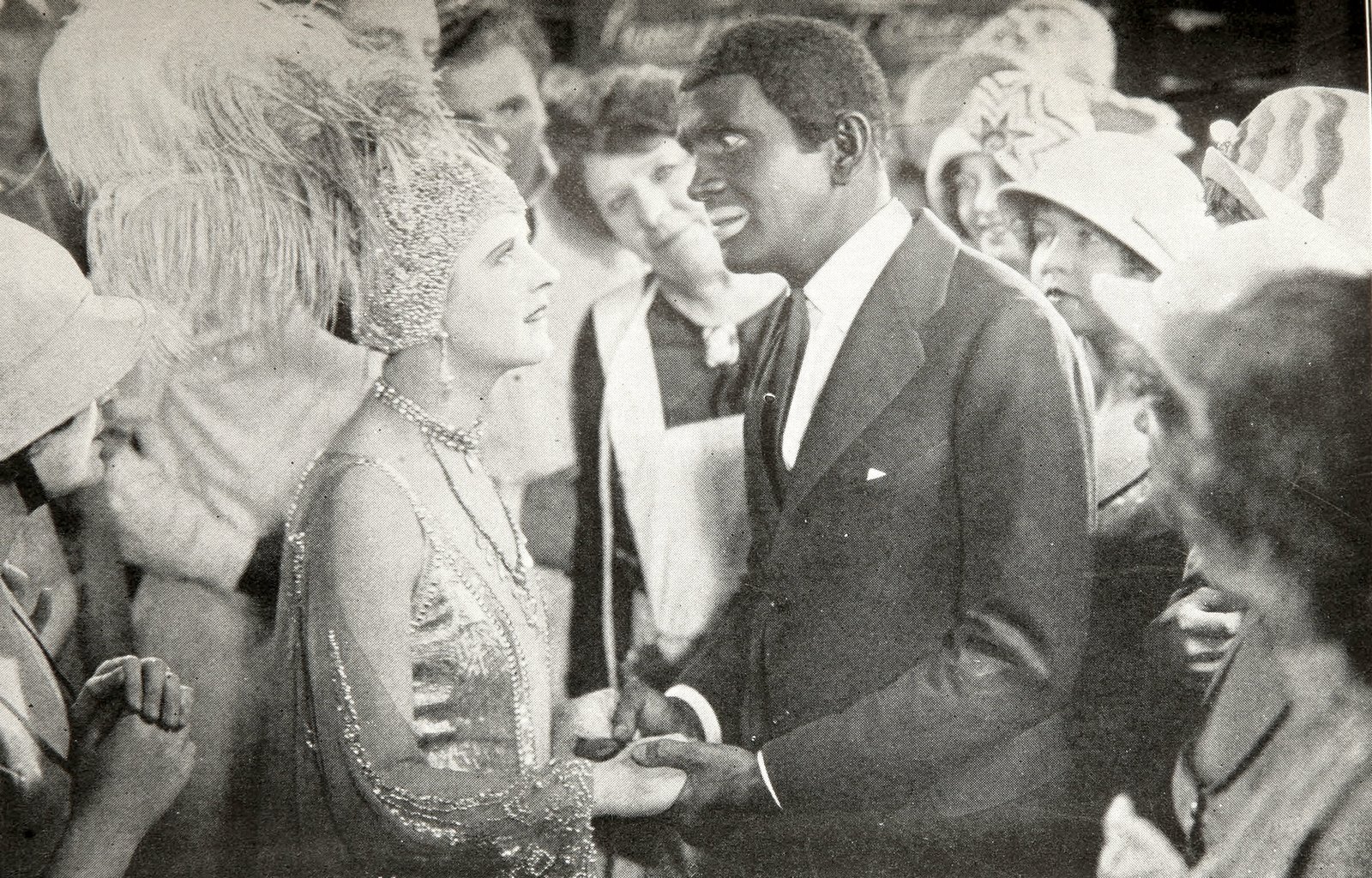
On October 6, 1927, Warner Bros. premiered The Jazz Singer at Warners’ Theatre on Broadway: a mostly silent melodrama interrupted by scenes of Al Jolson actually singing and talking through the new Vitaphone sound system. Neither Jolson nor any Warner brother attended; they were in Los Angeles, burying Sam Warner, who had championed Vitaphone and died the day before.
Audiences, not critics, decided the format war: ticket sales and a 529 percent jump in Warner Bros.’ stock told every other studio that sound was no longer a gimmick. Within two years, Hollywood had largely abandoned silent feature production for good. That commercial triumph is inseparable from how it was achieved: Jolson performs several numbers in blackface, a mainstream practice in 1920s American entertainment that is now widely recognized as racist, and film historians still debate what the choice meant for the story’s Jewish immigrant lead.
A new technology rarely wins an industry over on its technical merits alone. It wins when one risk-taker proves, in box office receipts and stock prices, that customers will actually pay for it, and every competitor who waited starts scrambling to catch up.
People Behind the Story
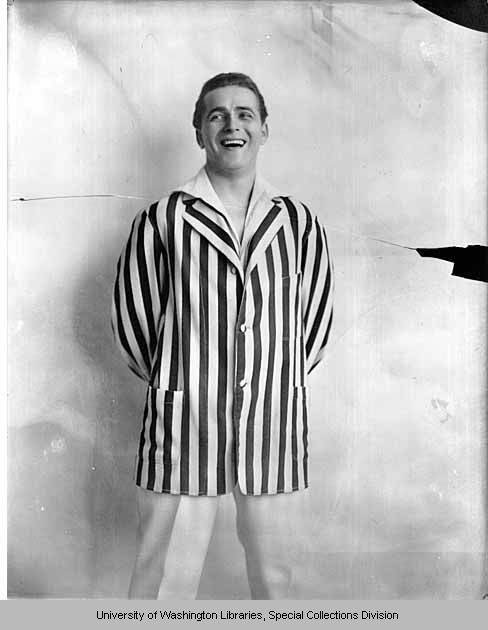
Already Broadway’s highest-paid headliner, Jolson plays a cantor’s son torn between the synagogue and the stage, and ad-libs the line that became the era’s catchphrase: “Wait a minute, wait a minute, you ain’t heard nothin’ yet.”
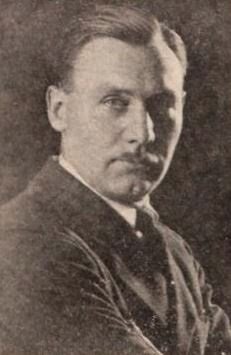
Crosland had already directed Warner Bros.’ Don Juan the year before, the first feature with a synchronized musical score, before the studio trusted him with the costlier gamble of synchronized dialogue.
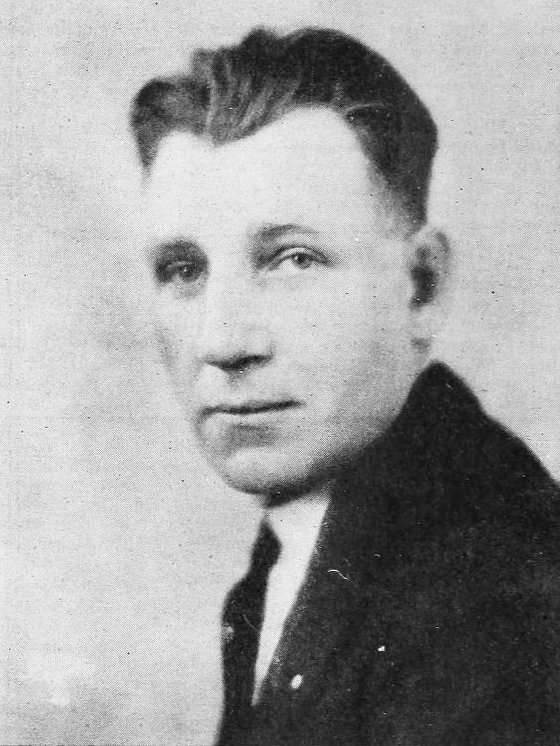
The Warner brother most responsible for betting the studio on sound died of complications from a sinus infection in Los Angeles on October 5, 1927, one day before the premiere his gamble made possible.
Key Moments
Warner Bros. releases Don Juan, the first feature-length film with a synchronized Vitaphone musical score, though it has no spoken dialogue.
Sam Warner dies in Los Angeles, hours before the film he championed opens three thousand miles away in New York.
The Jazz Singer premieres at Warners’ Theatre in New York, with no Warner brother and neither lead actor in attendance.
Hollywood’s major studios effectively stop producing new silent features, following Warner Bros.’ stock price and box office returns into sound.
The Library of Congress adds The Jazz Singer to the National Film Registry, citing its historical and cultural significance.
Did you know? Warner Bros.’ stock price rose 529 percent in the months after The Jazz Singer’s release, turning a studio that had nearly gone under into one of Hollywood’s dominant players.