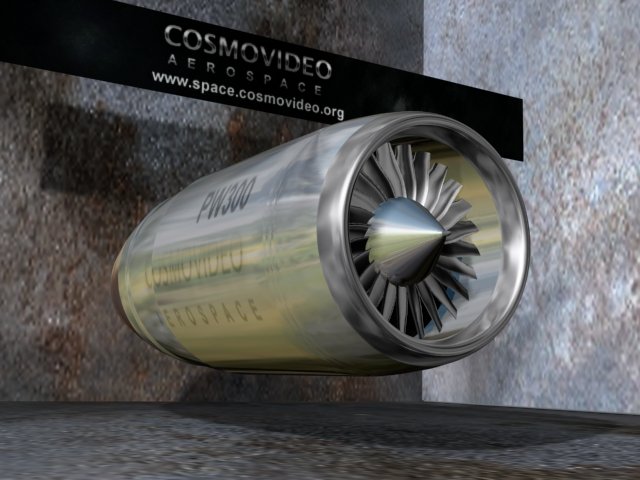
A jet engine is a type of engine that produces thrust by expelling a high-speed jet of exhaust gas, typically used to propel aircraft, though similar principles power some ships and industrial applications. Jet engines work by drawing in air, compressing it, mixing it with fuel and igniting the mixture, then expelling the resulting hot, high-pressure gas out the back of the engine, generating forward thrust according to Newton’s third law, which states that every action produces an equal and opposite reaction.
How Jet Engines Generate Thrust
Most jet engines used in commercial and military aircraft are gas turbine engines, which continuously draw in air at the front, compress it using a series of spinning compressor blades, and feed it into a combustion chamber where it mixes with fuel and burns. The resulting hot gas expands rapidly and rushes backward through a turbine, which extracts some energy to drive the compressor, before exiting through the exhaust nozzle at high speed, producing the forward thrust that propels the aircraft.
Turbojets, Turbofans, and Turboprops
Early jet aircraft used turbojet engines, which send essentially all of the engine’s airflow through the combustion process, producing high thrust but relatively poor fuel efficiency and significant noise. Modern commercial aircraft almost universally use turbofan engines instead, which add a large fan at the front that pushes most of its air around the combustion core rather than through it, dramatically improving fuel efficiency and reducing noise while still producing ample thrust. Turboprop engines use a gas turbine to drive an external propeller rather than relying mainly on exhaust thrust, favored for smaller aircraft operating at lower speeds and altitudes.
Materials and Temperature Challenges
Jet engines operate under extraordinarily demanding conditions, with combustion temperatures inside the engine core often exceeding the melting point of the metal alloys used to build turbine blades, requiring specialized superalloys, internal cooling channels, and protective ceramic to keep critical components from failing. Engineers continually push to raise operating temperatures further, since hotter combustion generally improves efficiency, creating an ongoing engineering challenge to develop materials and cooling techniques that can keep pace with the temperatures engine designers would ideally like to achieve.
Fuel Efficiency and Environmental Impact
Jet fuel consumption represents one of the largest operating costs for airlines, driving continuous engineering efforts to improve engine efficiency through larger fan diameters, higher-pressure compressors, and more thermally efficient combustion chamber designs. Aviation’s contribution to greenhouse gas emissions has drawn increasing attention, prompting research into sustainable aviation fuels made from renewable sources, more efficient engine and aircraft designs, and, for shorter routes, experimental electric and hybrid-electric propulsion systems that remain in early stages of development compared to the maturity of conventional jet engines.
Reliability and Safety Engineering
Because engine failure during flight poses serious safety risks, jet engines undergo extraordinarily rigorous testing and certification before entering commercial service, including tests that intentionally damage engines, such as firing simulated bird strikes into a running engine, to verify the engine can shut down safely or continue operating under damage. Redundancy, with aircraft typically carrying two or more independent engines capable of flying and landing safely even after one fails, further reduces the risk that a single engine problem could cause a catastrophic accident.
History of Jet Propulsion
Jet engine development accelerated in the 1930s, with engineers Frank Whittle in Britain and Hans von Ohain in Germany independently developing early practical jet engine designs around the same period, each unaware of the other’s parallel wartime-era work at the time. Germany fielded the first operational jet-powered military aircraft during the Second World War, and jet propulsion rapidly displaced propeller engines in mainstream commercial aviation through the 1950s and 1960s as turbojet and later turbofan designs proved far faster and, eventually, more fuel-economical than older piston engines for larger passenger aircraft.
Maintenance and Operating Life
Jet engines require extensive scheduled maintenance throughout their operating lives, including regular borescope inspections that let technicians examine internal components without fully disassembling the engine, and periodic major overhauls that replace or refurbish heavily worn parts. Airlines track engine performance continuously using onboard sensors that monitor temperature, vibration, and other parameters, feeding data into predictive maintenance programs designed to catch developing problems before they cause an in-flight failure, an approach that has become increasingly sophisticated as sensor technology and data analysis capabilities have improved over recent decades.
Beyond Aviation
Gas turbine technology derived from jet engine design also powers applications well beyond aircraft. Many power plants use gas turbines similar in basic principle to jet engines to generate electricity, often paired with a steam turbine in a combined-cycle configuration that captures additional energy from the turbine’s hot exhaust. Some ships and industrial facilities also use gas turbines for propulsion or mechanical power, taking advantage of the same compact, high-power-density design principles that made gas turbines so valuable for powering aircraft in the first place.
FAQs
Why do most modern airliners use turbofan engines instead of turbojets?
Turbofan engines push most of their airflow around the combustion core rather than through it, dramatically improving fuel efficiency and reducing noise compared to turbojets while still producing ample thrust for commercial flight.
Why are jet engines tested with simulated bird strikes?
Bird strike testing verifies that an engine can shut down safely or continue operating after sudden damage, since real bird strikes during flight are a genuine, unpredictable hazard that every certified engine design must be proven able to withstand.
Quick checkWhy are jet engines tested with simulated bird strikes?Show answer
Bird strike testing verifies that an engine can shut down safely or continue operating after sudden damage, since real bird strikes are a genuine in-flight hazard.
Editorially reviewed by Specialty Digest Editorial TeamLast reviewed November 2, 2026Researched and drafted with AI assistanceReport an issue