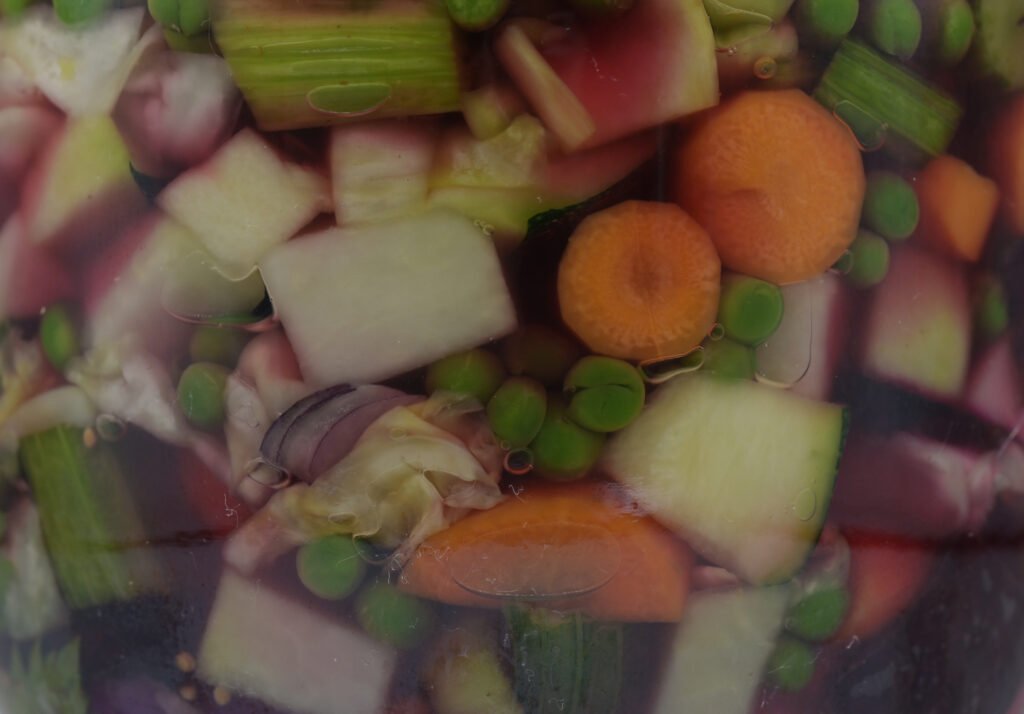
Fermentation is a metabolic process in which microorganisms such as bacteria, yeast, or mold convert sugars and other organic compounds into substances like acids, alcohol, or gases, typically in the absence of oxygen, producing both a preservation effect and distinctive flavors, textures, and aromas that have made fermented foods a staple across nearly every culinary tradition worldwide. Fermentation predates recorded history as a food technique, developed independently by many cultures long before the underlying microbiology was understood.
Major Categories of Fermentation
Lactic acid fermentation, carried out primarily by lactic acid bacteria, converts sugars into lactic acid, producing foods such as yogurt, sauerkraut, kimchi, and traditional sourdough bread, with the resulting acidity both preserving the food and contributing a characteristic tangy flavor. Alcoholic fermentation, driven by yeast, converts sugars into ethanol and carbon dioxide, forming the basis of beer, wine, and other alcoholic beverages, as well as contributing the rise in yeast-leavened bread through the carbon dioxide produced. Acetic acid fermentation, which further converts alcohol into acetic acid through the action of specific bacteria, produces vinegar, while various mold fermentations contribute to foods such as certain cheeses, soy sauce, and tempeh, each relying on specific microbial cultures suited to the particular food and desired outcome.
How Fermentation Preserves and Transforms Food
Fermentation preserves food primarily through the acids, alcohol, or other byproducts microorganisms produce, which create an environment hostile to many spoilage and pathogenic organisms, allowing fermented foods to remain safe and edible far longer than their unfermented counterparts. Beyond preservation, fermentation substantially transforms food nutritionally and sensorially, often increasing the bioavailability of certain nutrients, producing beneficial compounds, and in some cases breaking down components that are otherwise difficult to digest, such as lactose in fermented dairy products or certain compounds in soybeans during tempeh and soy sauce production.
Controlling Fermentation in Modern Food Production
While traditional fermentation often relied on naturally occurring microorganisms present in the environment or on the food itself, modern commercial food production typically uses carefully selected starter cultures, specific strains of bacteria or yeast chosen for their reliable, predictable fermentation characteristics and flavor outcomes. This controlled approach allows manufacturers to achieve consistent product quality at scale, something far more difficult to guarantee with wild, naturally occurring fermentation, though some artisanal and traditional producers continue to rely on natural fermentation specifically for the unique and sometimes more complex flavor profiles it can produce compared to standardized starter cultures.
Health Interest and Scientific Research
Growing consumer interest in fermented foods has been driven partly by research into the role gut microorganisms play in digestion and overall health, with fermented foods frequently marketed as sources of beneficial live microorganisms, though the specific health effects of consuming particular fermented foods remain an active area of ongoing scientific research rather than settled fact in every case. This interest has contributed to renewed commercial and home interest in traditional fermentation techniques, alongside continued industrial-scale fermentation for staple products like bread, cheese, and alcoholic beverages that have relied on these processes for centuries.
Fermentation in Industrial and Pharmaceutical Applications
Beyond traditional food and beverage production, fermentation has become a foundational technology in industrial biotechnology, used to manufacture a wide range of products including antibiotics, enzymes, organic acids, and increasingly, alternative proteins grown through microbial or cell-based fermentation processes rather than derived from animals or plants. Large-scale industrial fermentation relies on bioreactors that carefully control temperature, pH, oxygen availability, and nutrient supply to maximize the yield and consistency of the target microorganism or its metabolic products, a level of process control far beyond what traditional food fermentation historically required. This industrial application of fermentation technology has grown substantially as biotechnology companies explore fermentation-based alternatives to conventional animal agriculture and chemical synthesis for an expanding range of food and non-food products alike.
Regional and Cultural Variation in Fermented Foods
Fermented foods vary enormously across world culinary traditions, shaped by locally available ingredients, climate, and accumulated cultural knowledge passed down over many generations of practice long before formal food science existed to explain the underlying microbiology. East Asian culinary traditions feature extensive fermented soy products including soy sauce, miso, and tempeh, Korean cuisine is particularly known for kimchi and other fermented vegetable preparations, and many African and Middle Eastern cuisines include fermented grain and dairy products suited to their specific climates and staple crops. This remarkable diversity reflects fermentation flexibility as a technique, since the same basic microbial processes can be adapted to an enormous range of starting ingredients and desired flavor outcomes depending on local culinary tradition and available raw materials.
Safety Considerations in Fermentation
While fermentation is generally a safe and time-tested preservation method, improper technique, contamination with unwanted microorganisms, or inadequate control of fermentation conditions can occasionally allow harmful bacteria to grow alongside or instead of the intended fermentation culture, making proper technique and, in commercial settings, rigorous quality control essential. Food safety agencies and fermentation researchers continue to study the specific conditions, including salt concentration, temperature, and the presence of competing microorganisms, that reliably favor beneficial fermentation over spoilage or pathogen growth, knowledge that has informed both traditional fermentation practices refined over generations and modern commercial fermentation protocols designed to ensure consistent, safe outcomes at scale.
This combination of ancient technique and modern scientific understanding keeps fermentation relevant across both traditional kitchens and advanced industrial facilities alike.
Researchers expect fermentation applications to keep expanding as biotechnology and traditional food science increasingly intersect.
Key facts
- Array
In the news
Quick checkWhat is the difference between lactic acid and alcoholic fermentation?Show answer
Lactic acid fermentation converts sugars into lactic acid, while alcoholic fermentation converts sugars into ethanol and carbon dioxide.
Sources
- Array
Editorially reviewed by Specialty Digest Editorial TeamLast reviewed November 3, 2026Researched and drafted with AI assistanceReport an issue