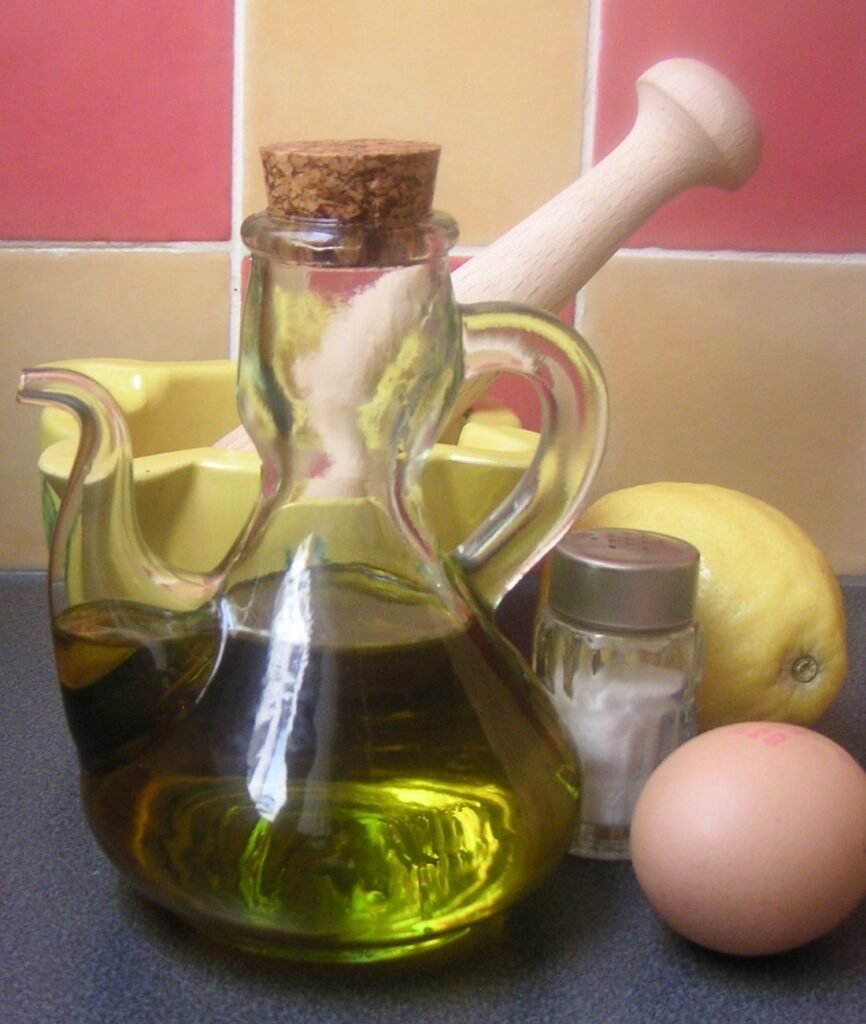
Emulsification is the process of combining two normally immiscible liquids, typically oil and water, into a stable, uniform mixture called an emulsion, achieved either through mechanical agitation or with the help of an emulsifying agent that stabilizes the tiny droplets of one liquid dispersed throughout the other. Emulsification is fundamental to many foods, including mayonnaise,
Emulsification Read More »
The process of combining two normally immiscible liquids, typically oil and water, into a stable, uniform mixture.
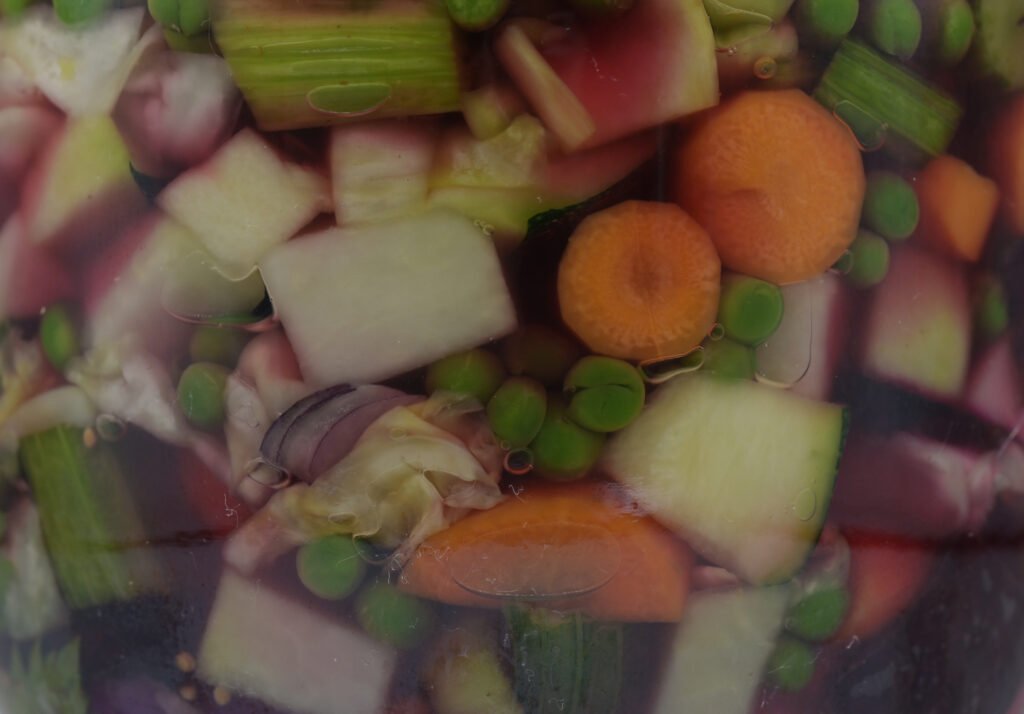
Fermentation is a metabolic process in which microorganisms such as bacteria, yeast, or mold convert sugars and other organic compounds into substances like acids, alcohol, or gases, typically in the absence of oxygen, producing both a preservation effect and distinctive flavors, textures, and aromas that have made fermented foods a staple across nearly every culinary
Fermentation Read More »
A metabolic process in which microorganisms convert sugars into acids, alcohol, or gases, preserving and transforming food.
A food additive is any substance intentionally added to food during processing or preparation to perform a specific technical function, such as preserving freshness, enhancing flavor or appearance, or improving texture, distinct from ingredients added purely for their nutritional or primary culinary contribution. Food additives range from substances long used in traditional cooking, such as
Food Additive Read More »
Any substance intentionally added to food during processing to perform a specific technical function.
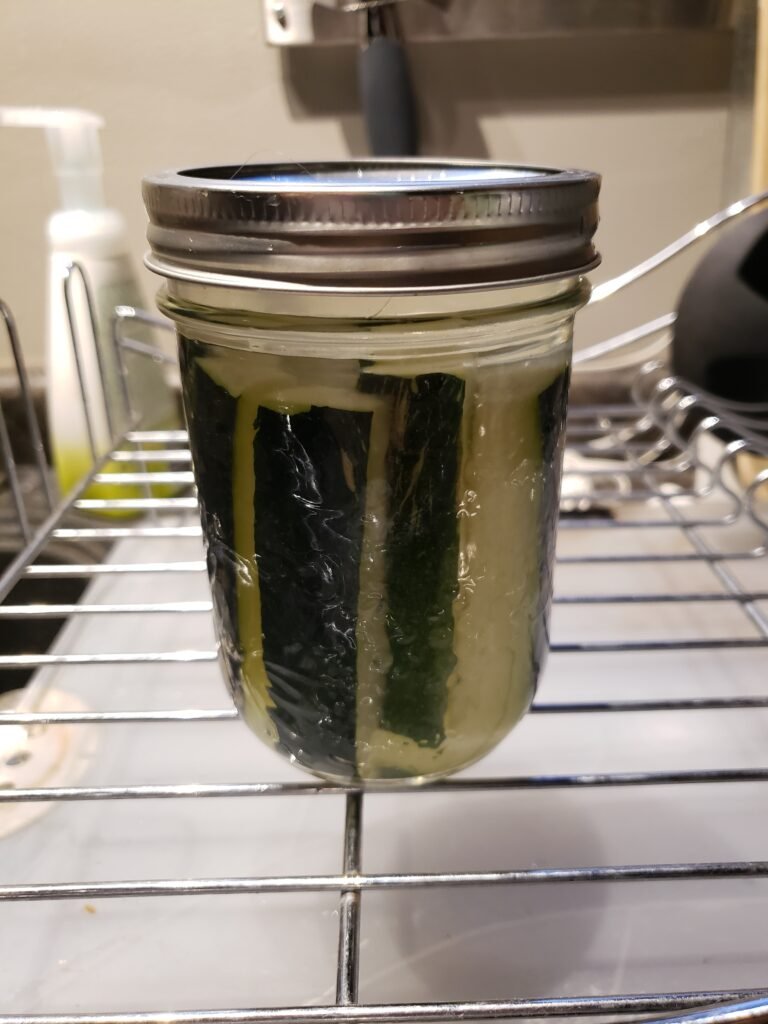
Food preservation encompasses the methods used to prevent or slow the spoilage of food caused by microbial growth, enzymatic activity, and oxidation, extending how long food remains safe and palatable to eat beyond its naturally perishable state. Humans have practiced food preservation for thousands of years through techniques such as drying, salting, and fermenting, and
Food Preservation Read More »
Methods used to prevent or slow food spoilage, extending how long food remains safe and palatable to eat.
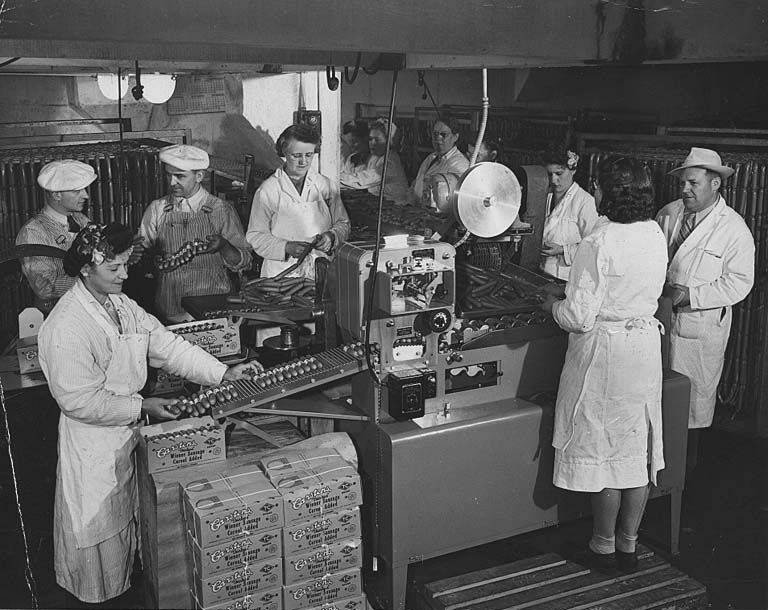
Food processing refers to the methods used to transform raw agricultural products and ingredients into food that is safer, more convenient, longer-lasting, or more palatable, ranging from simple techniques like washing and cutting to complex industrial operations involving cooking, mixing, and packaging on a large commercial scale. Food processing exists on a spectrum from minimal
Food Processing Read More »
The methods used to transform raw agricultural products into food that is safer, more convenient, or longer-lasting.
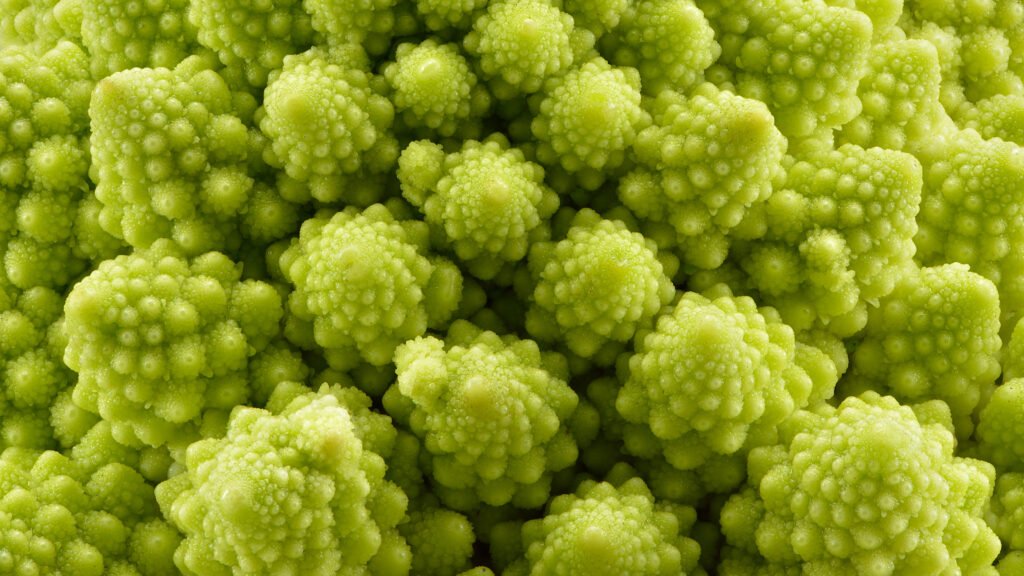
Food texture refers to the physical and structural properties of food that can be perceived through touch, including the mouth, as well as sight and sound, encompassing qualities such as crispness, chewiness, smoothness, and juiciness that significantly shape how a food is experienced and enjoyed independent of its flavor or aroma. Texture plays a critical
Food Texture Read More »
The physical and structural properties of food perceived through touch, sight, and sound, such as crispness or chewiness.
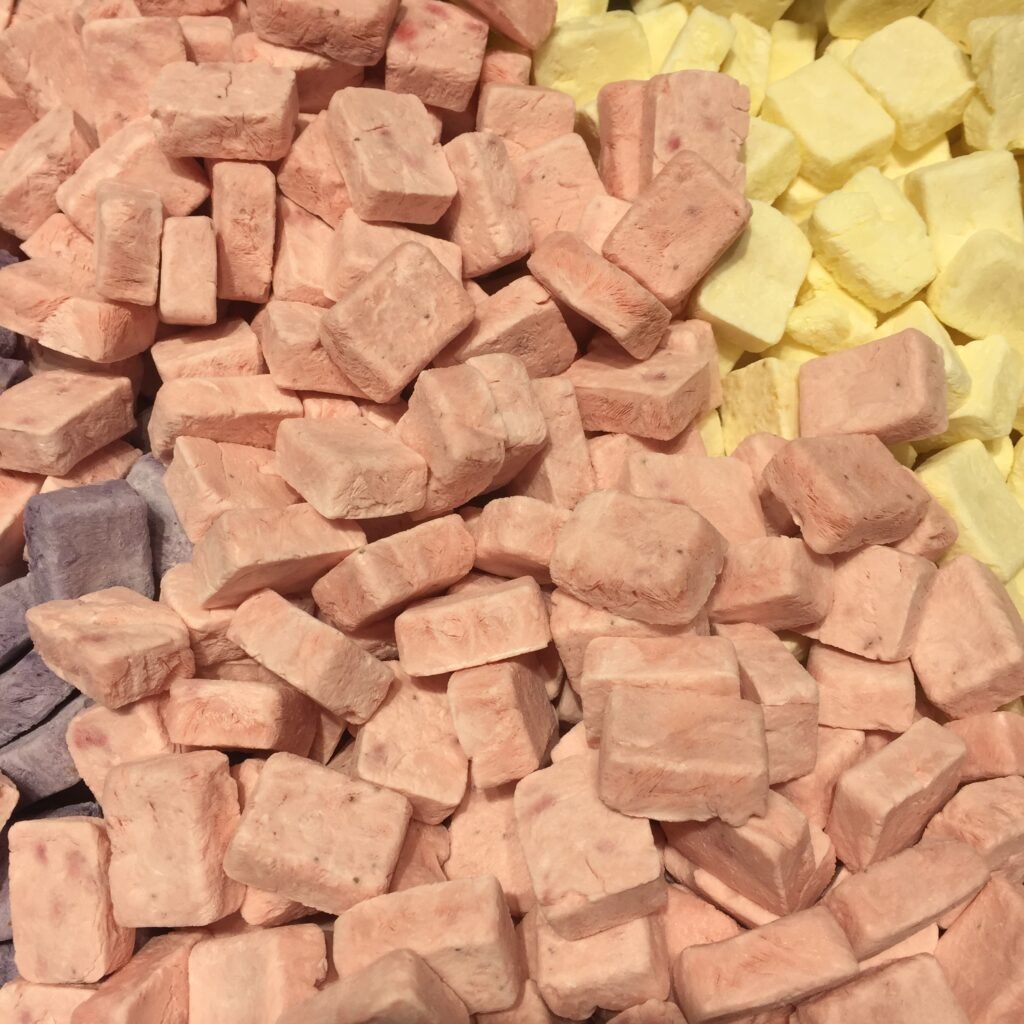
Freeze-drying, formally known as lyophilization, is a food preservation method that removes moisture from food by first freezing it and then reducing surrounding pressure to allow the frozen water to sublimate directly from solid ice into water vapor without passing through a liquid phase, producing a lightweight, shelf-stable product that retains much of its original
Freeze-Drying Read More »
A preservation method that removes moisture by freezing food and sublimating the ice directly into vapor under vacuum.
The Maillard reaction is a chemical reaction between amino acids and reducing sugars that occurs when food is heated, producing the characteristic browning and complex flavors associated with cooked foods such as seared meat, toasted bread, and roasted coffee. Named after French chemist Louis-Camille Maillard, who first described the reaction in the early twentieth century,
Maillard Reaction Read More »
A chemical reaction between amino acids and sugars during heating that produces browning and complex cooked flavors.
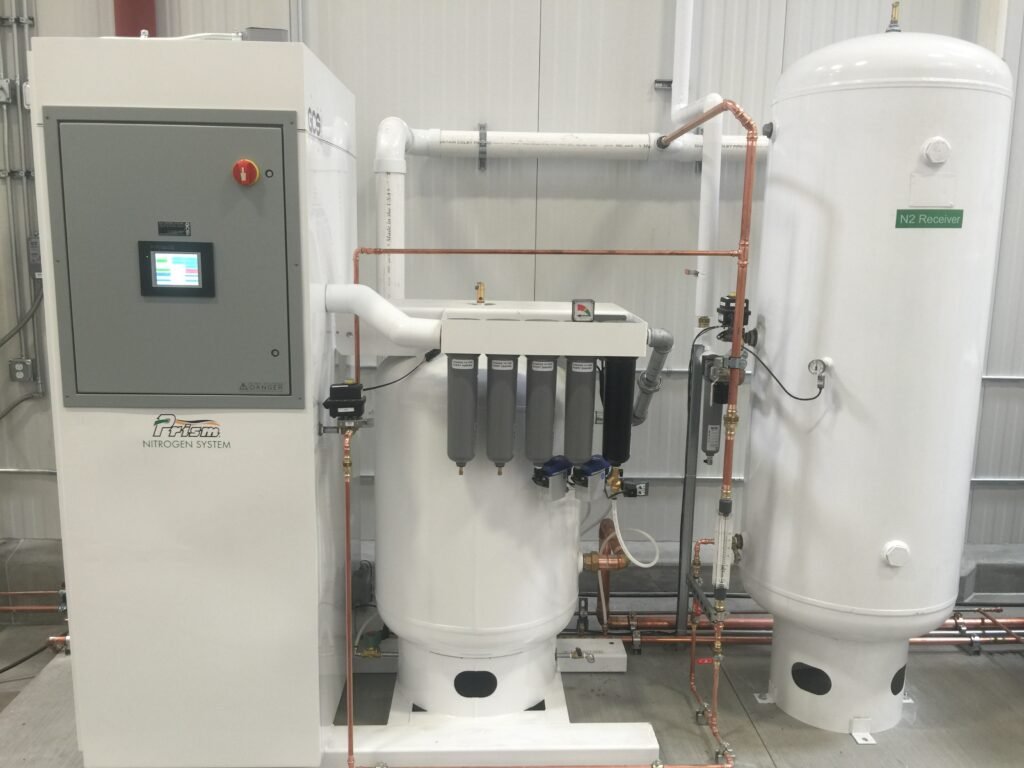
Modified atmosphere packaging is a food preservation technique that alters the composition of gases surrounding a food product inside its package, typically reducing oxygen levels and increasing carbon dioxide or nitrogen levels, to slow the growth of spoilage microorganisms and reduce oxidative reactions that degrade food quality over time. Widely used for fresh produce, meat,
Modified Atmosphere Packaging Read More »
A preservation technique that alters the gas composition surrounding food inside its package to slow spoilage.
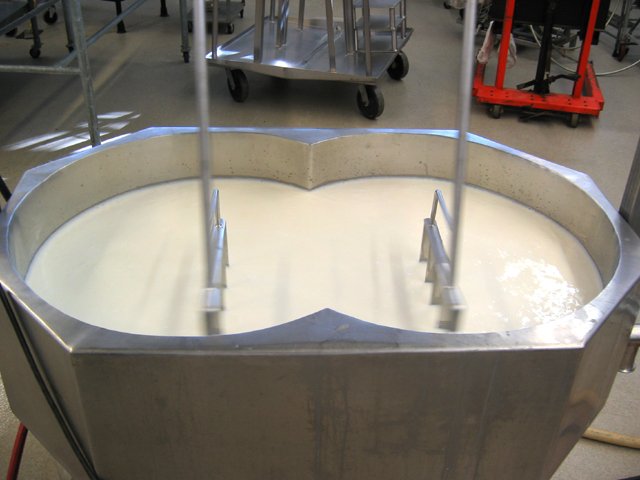
Pasteurization is a thermal processing method that heats food or beverages to a specific temperature for a set period of time to destroy harmful microorganisms and reduce spoilage organisms, without necessarily sterilizing the product completely, extending shelf life and improving safety while generally preserving more of the original flavor and nutritional content than more intense
Pasteurization Read More »
A thermal processing method that heats food to destroy harmful microorganisms and reduce spoilage without full sterilization.