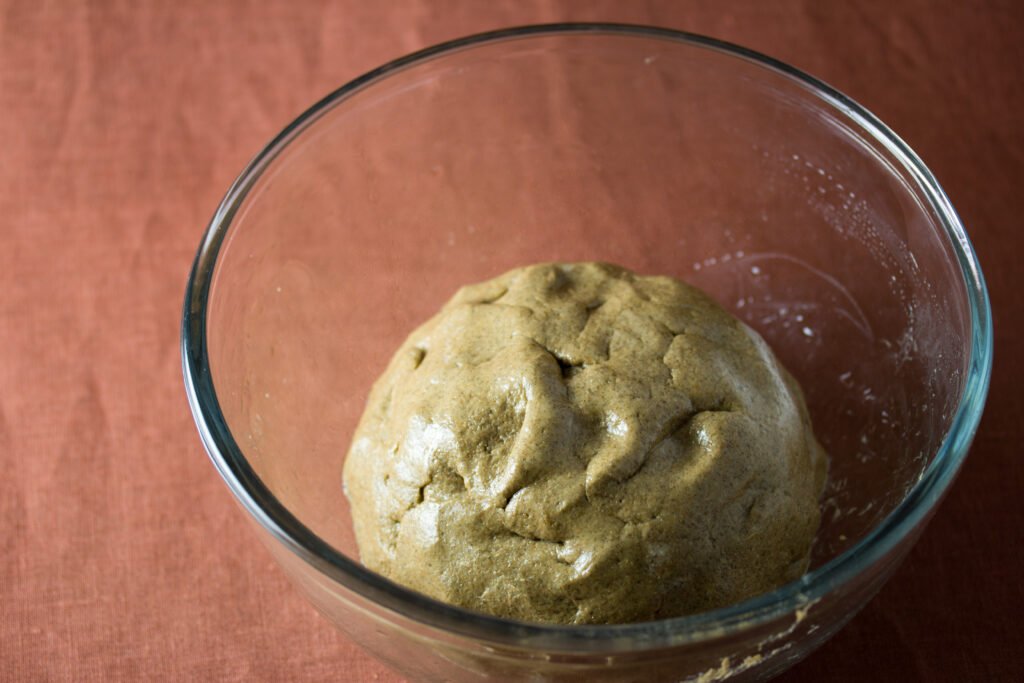
Baking science is the study of the chemical and physical reactions that transform raw doughs and batters into finished baked goods, explaining why precise measurement and technique matter more in baking than in most other cooking. Because baked goods rely on exact ratios of flour, fat, liquid, leavening, and sugar to set their final structure,
Baking Science Read More »
The study of chemical and physical reactions that transform doughs and batters into finished baked goods.
Beer brewing is the process of producing beer by converting starches, typically from malted grain, into fermentable sugars and then fermenting those sugars with yeast to produce alcohol and carbonation. The fundamental process has remained conceptually similar for thousands of years even as equipment and scientific understanding have advanced considerably. The Core Brewing Process Malting
Beer Brewing Read More »
The process of producing beer by converting grain starches into sugar, then fermenting that sugar with yeast.
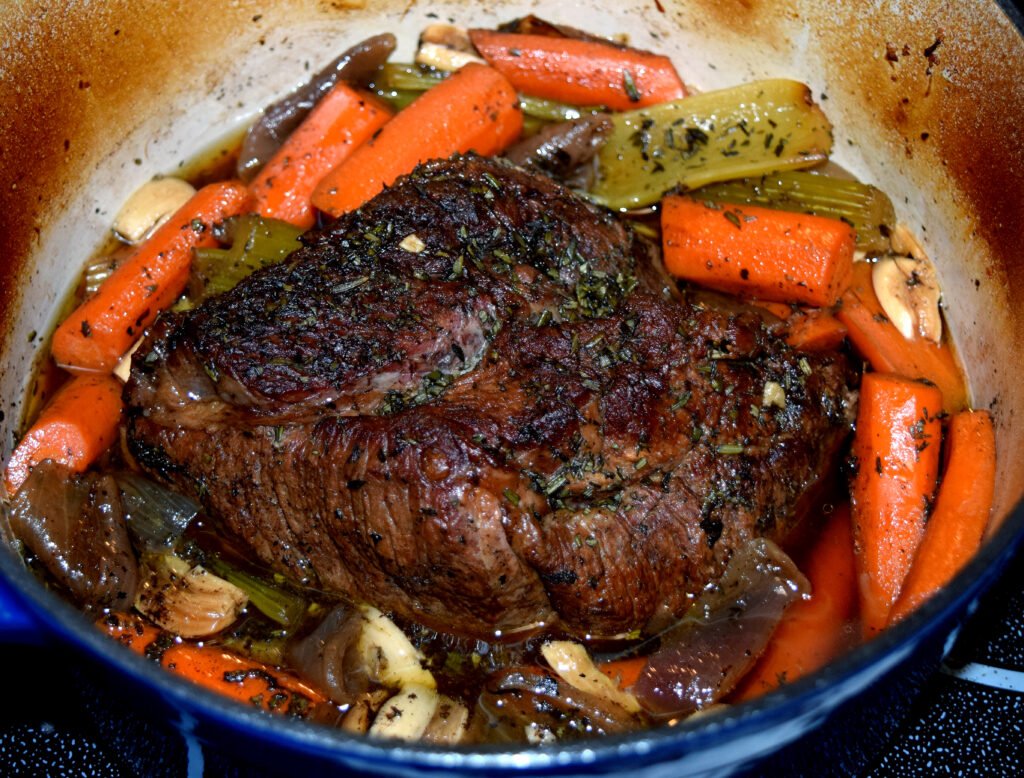
Braising is a combination cooking method that sears food at high heat and then finishes it slowly in a small amount of liquid at low temperature, typically in a covered pot. The technique is especially suited to tough cuts of meat and fibrous vegetables, since prolonged moist heat breaks down connective tissue that dry, quick
Braising Read More »
A cooking method that sears food, then finishes it slowly in liquid at low heat to tenderize tough cuts.
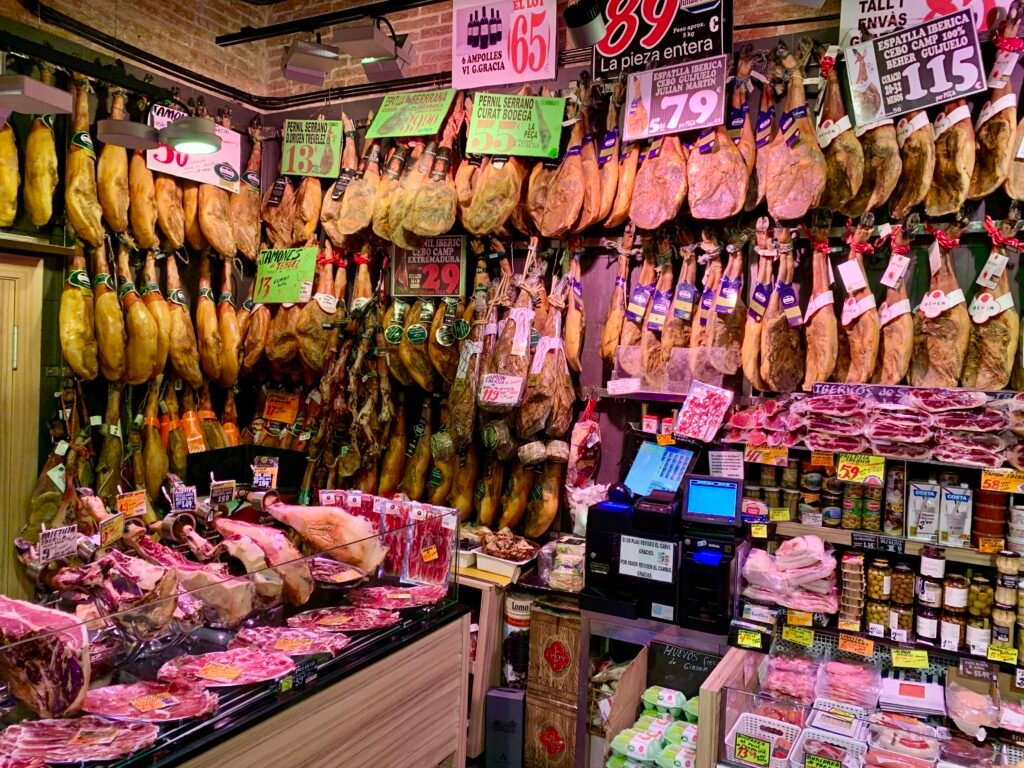
Charcuterie is the branch of culinary practice devoted to preparing and preserving meat, most often pork, through techniques such as curing, smoking, and sausage-making. The word comes from French, combining chair, meaning flesh, and cuit, meaning cooked, and originally described the shops that specialized in prepared pork products before refrigeration existed. Core Preservation Methods Curing
Charcuterie Read More »
The culinary practice of preparing and preserving meat, usually pork, through curing, smoking, and sausage-making.
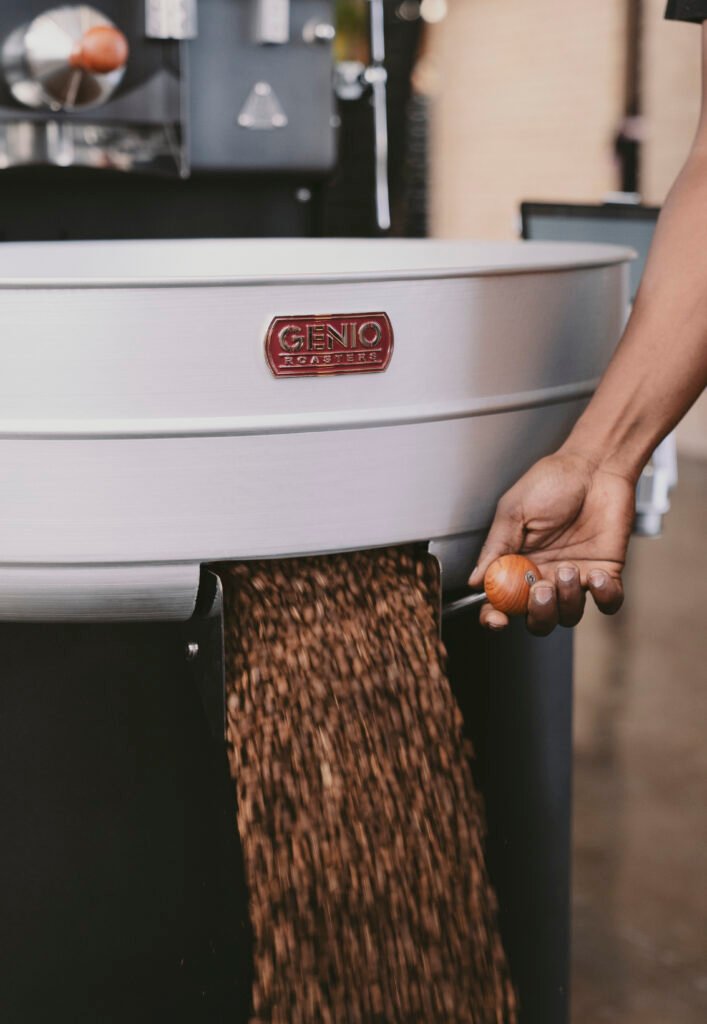
Coffee roasting is the process of heating raw, green coffee beans to transform them chemically and physically into the aromatic brown beans used to brew coffee. Roasting is widely considered one of the most influential steps in determining a coffee’s final flavor, often rivaling or exceeding the impact of the bean’s origin or brewing method.
Coffee Roasting Read More »
The process of heating green coffee beans to transform them into the aromatic brown beans used for brewing.
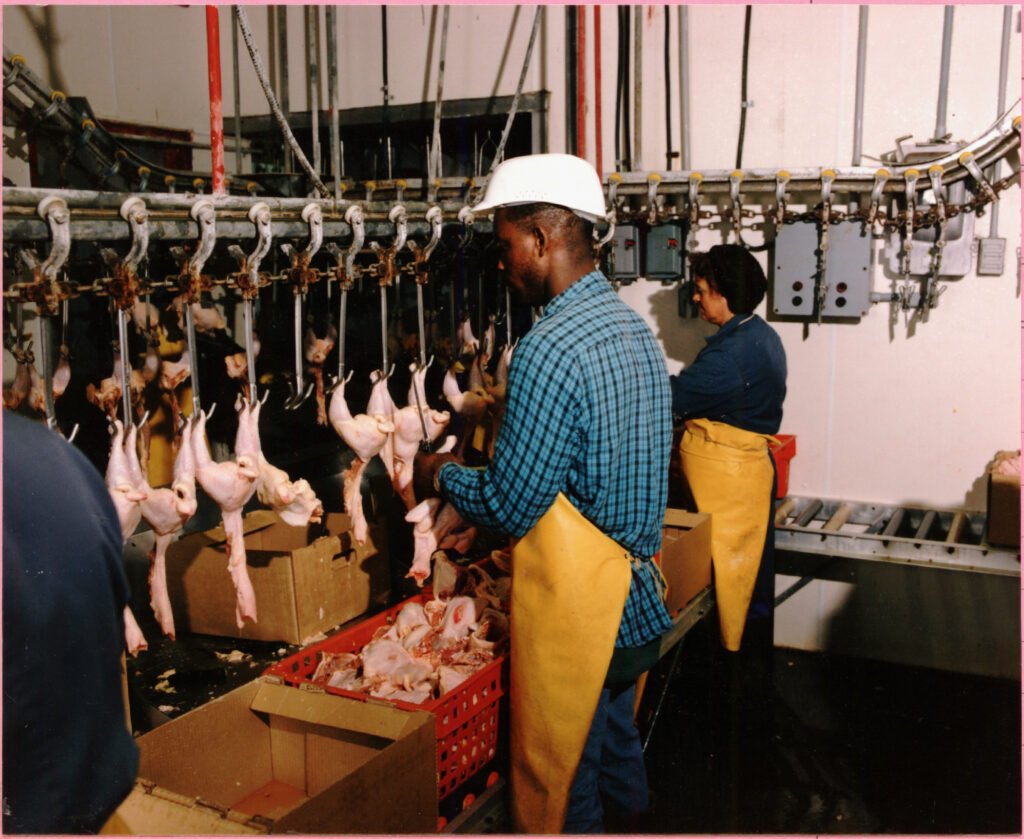
The cold chain is the uninterrupted sequence of refrigerated or frozen storage and transportation that keeps perishable food, and certain pharmaceuticals, at safe temperatures from production through processing, distribution, retail, and finally the consumer. A single break in the cold chain, even briefly, can allow bacterial growth or quality degradation that persists even after proper
Cold Chain Read More »
The uninterrupted sequence of refrigerated storage and transport that keeps perishable food at safe temperatures from production to consumer.
Craft brewing refers to the production of beer by small, independent breweries that emphasize traditional ingredients, flavor innovation, and brewing techniques outside large-scale industrial production. Defining Characteristics Industry bodies such as the Brewers Association define craft breweries by production volume thresholds and independence from ownership by large conglomerates, alongside a traditional or innovative approach to
Craft Brewing Read More »
Beer production by small, independent breweries emphasizing traditional methods, ingredient innovation, and flavor diversity over mass-market scale.
Cross-contamination is the unintended transfer of harmful bacteria, allergens, or other substances from one food, surface, or object to another, representing one of the most common causes of foodborne illness in both commercial kitchens and home cooking. It can occur directly, through physical contact between contaminated and clean items, or indirectly, through a shared surface,
Cross-Contamination Read More »
The unintended transfer of harmful bacteria, allergens, or other substances between foods, surfaces, or objects.
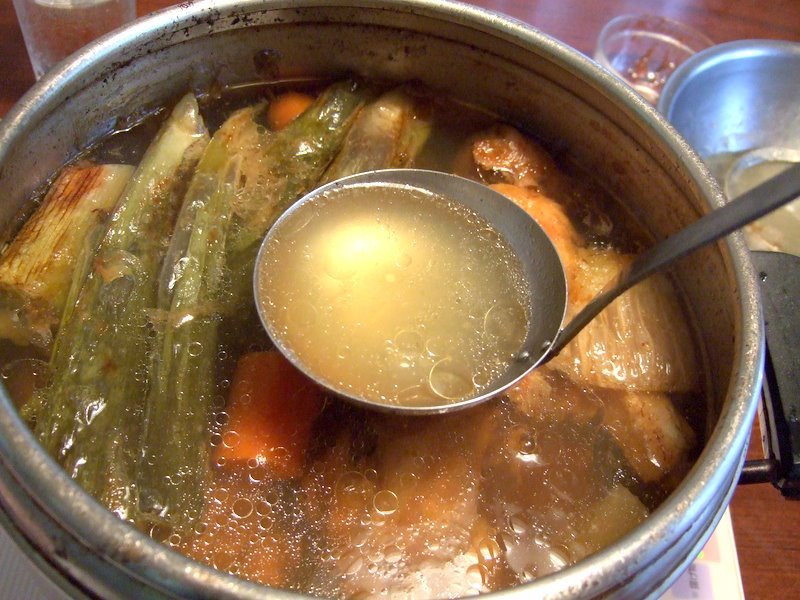
Culinary stock is a flavorful liquid made by simmering bones, meat, vegetables, or seafood in water, forming the foundation for soups, sauces, and braises across most professional kitchens. Unlike broth, which is typically seasoned and served as is, stock is left unseasoned so it can be reduced or combined freely without concentrating excess salt. Types
Culinary Stock Read More »
A flavorful, unseasoned liquid made by simmering bones, meat, or vegetables, used as a base for sauces and soups.
Dietary guidelines are official, government-issued recommendations describing what and how much a population should eat to maintain health and reduce chronic disease risk. Most countries publish their own version, revised periodically as nutrition science advances, and the guidelines shape everything from school lunch programs to food labeling requirements. The U.S. Dietary Guidelines The United States
Dietary Guidelines Read More »
Official government recommendations describing what and how much a population should eat to maintain health.