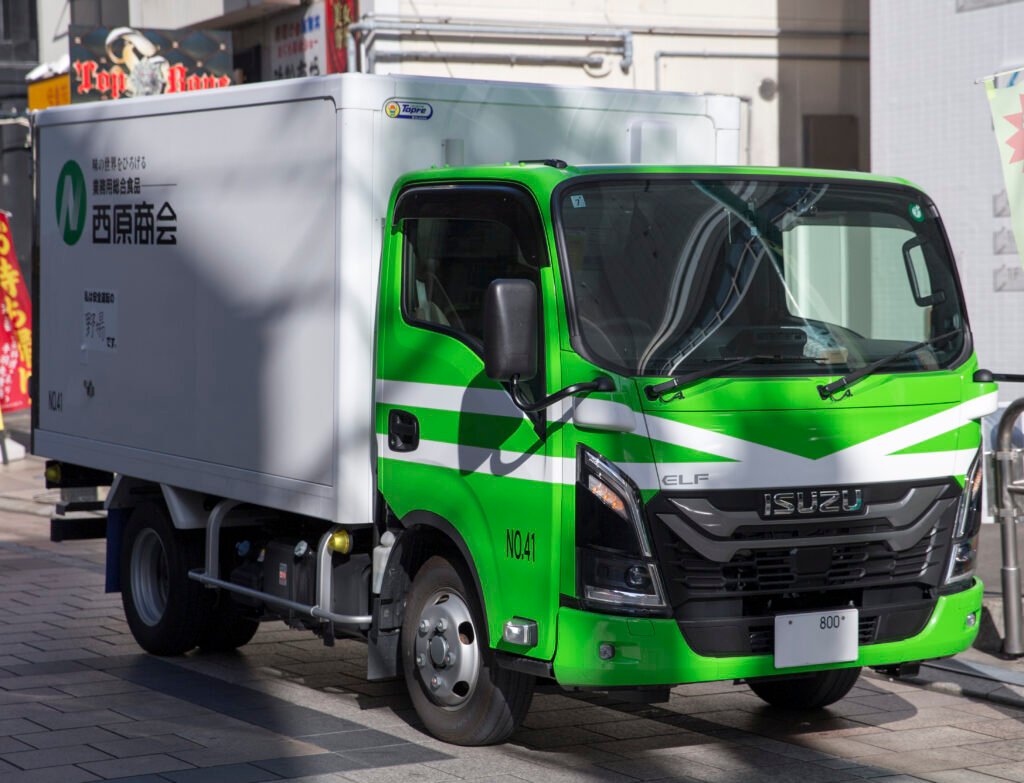
The cold chain is the uninterrupted sequence of refrigerated or frozen storage and transportation that keeps perishable food, and certain pharmaceuticals, at safe temperatures from production through processing, distribution, retail, and finally the consumer. A single break in the cold chain, even briefly, can allow bacterial growth or quality degradation that persists even after proper refrigeration resumes.
Key Stages
The cold chain begins immediately after harvest or processing, often with rapid cooling to remove field heat from produce or chill freshly processed meat before any further handling occurs. Refrigerated trucks, rail cars, and cargo ships, collectively called reefer transport, move product between facilities while maintaining temperature, and retail cold storage, including display cases and walk-in coolers, represents the final link before a consumer takes possession of the product.
Monitoring and Technology
Modern cold chain logistics increasingly rely on continuous temperature data loggers and real-time tracking sensors that record conditions throughout transport, allowing companies to identify exactly when and where a temperature excursion occurred rather than discovering a problem only after spoiled product reaches its destination. This data also supports regulatory compliance documentation, since many food safety standards require demonstrable proof that temperature-sensitive products stayed within required ranges throughout their journey.
Global and Economic Significance
Cold chain infrastructure varies dramatically by region, with developing countries often facing significant food loss due to inadequate refrigerated transport and storage capacity, a problem the Food and Agriculture Organization has identified as a major contributor to global food waste, particularly for fresh produce in regions without reliable cold storage access. Expanding cold chain infrastructure is consequently viewed as both a food security and economic development priority in many international aid and agricultural development programs.
Vaccines and Pharmaceutical Cold Chains
Cold chain principles extend beyond food into pharmaceuticals, most visibly demonstrated during large-scale vaccine distribution efforts that required ultra-cold storage at specific temperature ranges throughout a complex global logistics network, illustrating how the same fundamental cold chain challenges, continuous monitoring, redundant equipment, and rapid response to temperature excursions, apply whenever a product’s safety or effectiveness depends on uninterrupted temperature control from production to end use.
Last-Mile Challenges
The final stretch of the cold chain, from retail store to a consumer’s home, is often the weakest link, since consumers may leave groceries in a hot car for an extended period or take a circuitous shopping route before refrigerating perishables, introducing a temperature control gap that no amount of upstream cold chain investment can fully compensate for, which is part of why food safety education campaigns specifically emphasize prompt refrigeration of perishables immediately after purchase.
Cold Chain Costs and Energy Use
Maintaining an unbroken cold chain requires substantial energy investment across every stage, from refrigerated warehouses to delivery vehicles, making cold chain logistics a notable contributor to food industry energy consumption and a growing focus for companies pursuing sustainability goals, some of which have begun piloting more energy-efficient refrigeration technology and route optimization specifically to reduce the carbon footprint of cold chain operations without compromising food safety outcomes.
Cold Chain Resilience and Disruption
Large-scale disruptions, such as severe weather events or widespread power outages, can threaten cold chain integrity across an entire region simultaneously, prompting many food distributors to invest in backup generator capacity and contingency routing plans specifically designed to maintain temperature control during infrastructure failures that would otherwise force mass disposal of temperature-sensitive inventory.
Cold Chain in Developing Markets
International development organizations have invested in solar-powered refrigeration units specifically designed for regions with unreliable electrical grids, aiming to extend reliable cold chain capacity into rural farming communities that currently lose substantial harvests to spoilage before products can reach urban markets where demand and prices are typically higher.
As cold chain monitoring technology becomes cheaper and more widely deployed, even smaller producers and distributors are gaining access to real-time tracking capabilities once limited to large, well-resourced logistics operations, gradually narrowing the cold chain reliability gap between major and smaller food supply chain participants.
Cold Chain Standards and Certification
Industry certification programs specifically focused on cold chain management verify that distribution companies maintain required temperature controls and documentation throughout their operations, giving food manufacturers a standardized way to vet logistics partners without needing to independently audit every trucking or warehousing provider they contract with across a complex, often multi-vendor distribution network.
As global trade expands, cold chain interoperability between countries with different equipment standards and regulatory requirements has become a growing focus of international trade negotiations, since mismatched temperature monitoring and documentation standards can create friction even when every party genuinely intends to maintain product safety throughout transit.
As cold chain technology continues to mature, the gap between large multinational food distributors and smaller regional operators is gradually narrowing, suggesting that reliable temperature-controlled logistics may become an increasingly standard expectation across the food industry rather than a differentiating premium capability.
Logistics researchers continue studying optimal route planning and vehicle loading strategies specifically to minimize the time perishable goods spend outside ideal temperature ranges during transit, treating route efficiency as a food safety variable alongside its more traditional role in cost and delivery speed optimization.
Cold chain management, though largely invisible to the end consumer, represents one of the food industry’s most technically demanding and economically significant operational disciplines.
As cold chain technology and infrastructure continue advancing worldwide, the gap between regions with robust refrigerated logistics and those still developing basic cold storage capacity remains one of the more consequential disparities in global food security today.
As cold chain infrastructure continues improving even in historically underserved regions, global food loss attributable to broken refrigeration links is expected to gradually decline, though significant disparities will likely persist for years to come.
Key facts
- A single cold chain break can allow bacterial growth that persists afterward.nReefer transport refers to refrigerated trucks, rail, and cargo ships.nTemperature data loggers help identify when a cold chain break occurred.nInadequate cold chain infrastructure contributes to global food loss.
Quick checkWhy is a single break in the cold chain significant even if refrigeration resumes?Show answer
Even a brief break can allow bacterial growth or quality degradation that continues even after proper refrigeration resumes.
Sources
- FAO food loss and cold chain reports, USDA cold chain guidance
Editorially reviewed by Specialty Digest Editorial TeamLast reviewed November 3, 2026Researched and drafted with AI assistanceReport an issue