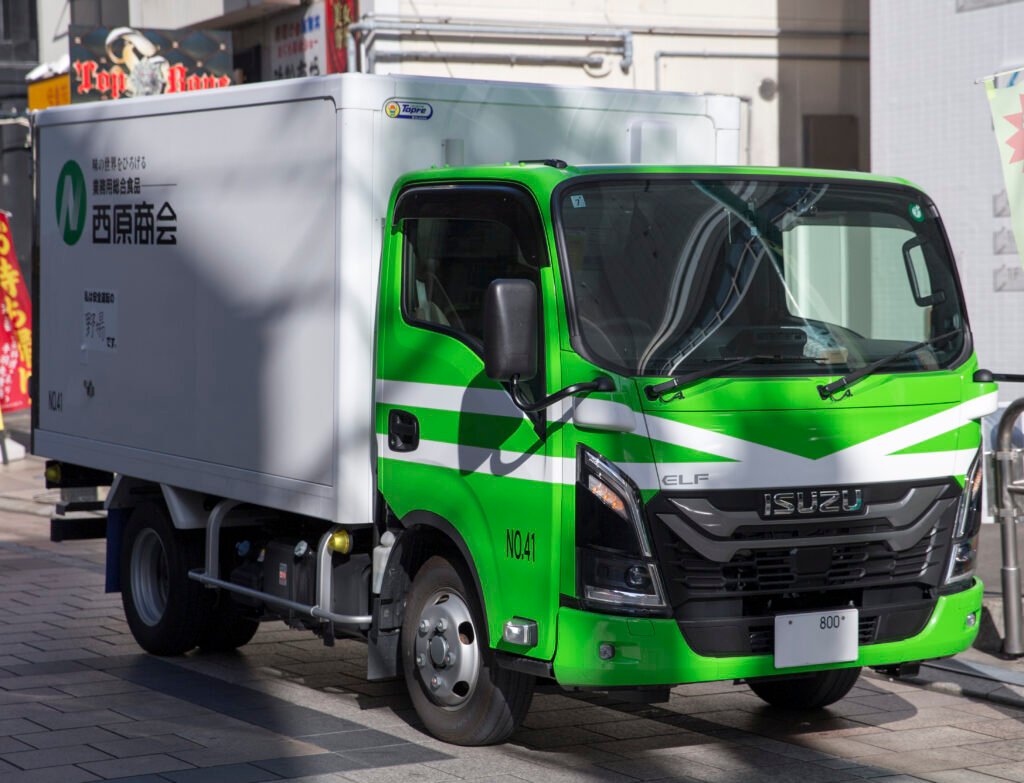
The cold chain is the uninterrupted sequence of refrigerated or frozen storage and transportation that keeps perishable food, and certain pharmaceuticals, at safe temperatures from production through processing, distribution, retail, and finally the consumer. A single break in the cold chain, even briefly, can allow bacterial growth or quality degradation that persists even after proper
Cold Chain Read More »
The uninterrupted sequence of refrigerated storage and transport that keeps perishable food at safe temperatures from production to consumer.
Cross-contamination is the unintended transfer of harmful bacteria, allergens, or other substances from one food, surface, or object to another, representing one of the most common causes of foodborne illness in both commercial kitchens and home cooking. It can occur directly, through physical contact between contaminated and clean items, or indirectly, through a shared surface,
Cross-Contamination Read More »
The unintended transfer of harmful bacteria, allergens, or other substances between foods, surfaces, or objects.
Food grading is the process of evaluating and classifying food products according to quality characteristics such as appearance, size, texture, and composition, distinct from food safety inspection, which focuses on whether a product is safe to eat rather than how it ranks in quality. Grading is often voluntary and paid for by producers seeking a
Food Grading Read More »
The process of evaluating and classifying food products by quality characteristics, distinct from safety inspection.
A food recall is the removal of a food product from the market because it is found to be unsafe, mislabeled, or otherwise in violation of food safety regulations. Recalls can be initiated voluntarily by a manufacturer or ordered by a regulatory agency, and they range in severity from a minor labeling error to a
Food Recall Read More »
The removal of a food product from the market due to safety violations, mislabeling, or regulatory noncompliance.
Food safety standards are formal, often legally binding requirements that define acceptable limits for contaminants, proper handling practices, and quality benchmarks that food products and facilities must meet before reaching consumers. Standards are set and enforced by government agencies, international bodies, and sometimes private industry certification programs, creating a layered system of food safety oversight.
Food Safety Standards Read More »
Formal requirements defining acceptable contaminant limits, handling practices, and quality benchmarks for food products.
Food sanitation encompasses the cleaning, disinfection, and hygiene practices used throughout food production, preparation, and service to prevent contamination and the spread of foodborne illness. It covers everything from handwashing protocols and equipment cleaning schedules to pest control and facility design, forming a foundational layer of food safety distinct from but closely related to HACCP-style
Food Sanitation Read More »
The cleaning, disinfection, and hygiene practices used throughout food production and service to prevent contamination.
Foodborne illness is sickness caused by consuming food or beverages contaminated with harmful bacteria, viruses, parasites, or toxins. It represents a major public health burden worldwide, with the World Health Organization estimating hundreds of millions of cases and hundreds of thousands of deaths annually across the globe. Common Causes Bacterial pathogens including Salmonella, Campylobacter, and
Foodborne Illness Read More »
Sickness caused by consuming food or beverages contaminated with harmful bacteria, viruses, parasites, or toxins.
HACCP, short for Hazard Analysis and Critical Control Points, is a systematic preventive approach to food safety that identifies physical, chemical, and biological hazards at specific points in a production process and establishes controls to prevent, eliminate, or reduce them to safe levels. Developed in the 1960s for NASA space food production, HACCP has since
HACCP Read More »
A systematic preventive food safety framework that identifies and controls hazards at critical points in production.
Quality assurance in food production is the systematic set of planned activities designed to ensure that a food product consistently meets defined quality, safety, and regulatory standards before it ever reaches a customer. Unlike quality control, which involves testing and inspecting finished products, quality assurance focuses on building reliable processes throughout production so that defects
Quality Assurance (Food) Read More »
The systematic, proactive activities that ensure a food product consistently meets defined quality, safety, and regulatory standards.
Shelf life is the length of time a food product remains safe to eat and retains its expected quality, flavor, and nutritional value when stored under specified conditions. It is determined through a combination of microbiological testing, sensory evaluation, and chemical analysis, and is a central consideration in food packaging, labeling, and distribution planning. Factors
Shelf Life Read More »
The length of time a food product remains safe to eat and retains expected quality under specified storage conditions.