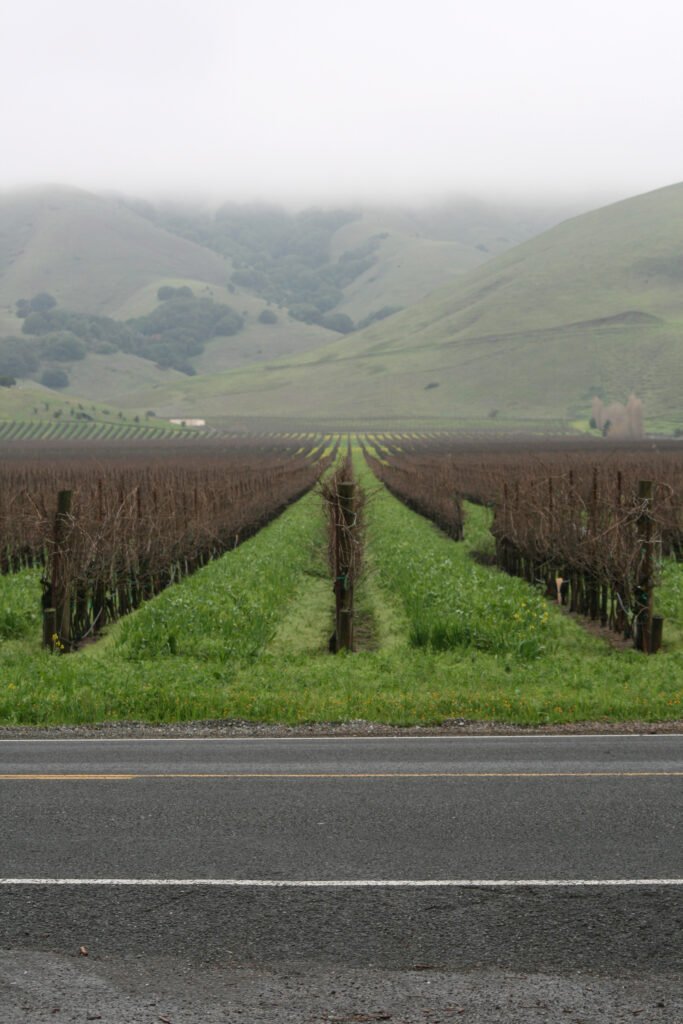
Terroir is the French concept describing how a specific place’s combination of soil, climate, topography, and farming tradition shapes the character of an agricultural product, most famously wine.
Components of Terroir
The idea encompasses soil composition and drainage, mesoclimate and sun exposure, elevation and slope angle, and the accumulated viticultural practices of generations of growers in a region. No single factor defines terroir; it is the interaction among all of them that produces a distinctive regional signature.
Terroir in Practice
Winemakers and regulators use terroir to justify appellation systems such as France’s Appellation d’Origine Controlee, which ties a wine’s name and legal identity to a defined geographic area and its traditional methods. The concept has since expanded beyond wine to coffee, cacao, cheese, and other foods where place of origin is believed to shape flavor.
Scientific and Cultural Debate
Critics note that terroir is difficult to isolate scientifically from winemaking choices, while defenders argue that blind tastings and long-term regional consistency support its reality. The debate reflects a broader tension between romantic notions of place and the measurable chemistry of agriculture.
Terroir Beyond Wine
While the concept originated in winemaking, terroir has been adopted to describe regional character in coffee, cacao, cheese, olive oil, and even certain vegetables and grains, wherever growers and buyers believe that location meaningfully shapes flavor outcomes. Coffee producers, for instance, speak of terroir when explaining why beans grown at similar altitudes but different volcanic soil compositions can taste markedly different despite identical processing methods.
Soil Science and Microclimate
Soil type influences water retention, drainage, and mineral availability, all of which affect vine or plant stress and, in turn, the concentration of flavor and aromatic compounds in the resulting crop. Microclimate factors such as fog patterns, wind exposure, and proximity to bodies of water that moderate temperature swings can create dramatically different growing conditions within a few kilometers, explaining why adjacent vineyard plots sometimes produce noticeably different wines despite sharing a general regional climate.
Appellation Systems Worldwide
Beyond France’s AOC system, countries have developed their own geographic protection frameworks: Italy’s Denominazione di Origine Controllata, Spain’s Denominacion de Origen, and the United States’ American Viticultural Area designations all tie a product’s legal name to defined boundaries and, in varying degrees, traditional production methods. These systems aim to protect both consumers seeking authentic regional products and producers whose livelihoods depend on a recognized name carrying market value.
Criticism and Scientific Scrutiny
Skeptics point out that modern winemaking techniques, including yeast selection, oak treatment, and irrigation, can override or mask subtle terroir differences, making blind attribution of a wine’s origin to soil and climate alone scientifically difficult to prove in controlled studies. Defenders counter that long-term regional consistency across generations of winemakers, even as techniques evolve, supports terroir as a real if complex phenomenon rather than mere marketing language, and the debate continues to shape both scientific research and marketing practice in the wine industry.
Terroir in Coffee and Chocolate
Specialty coffee buyers increasingly pay premiums for lots from specific farms or even individual plots, treating origin transparency much as wine buyers treat named vineyard sites, with auction prices for rare micro-lots sometimes reaching levels once reserved for prestigious wine estates. Cacao follows a similar pattern, where chocolate makers highlight single-origin bars from specific growing regions in Ecuador, Madagascar, or Venezuela, each prized for distinct flavor signatures tied to local soil and fermentation practices passed down by generations of farmers.
Climate Change and Shifting Terroir
Rising temperatures and shifting rainfall patterns are altering the traditional boundaries of terroir-defined regions, forcing some winemakers to plant at higher elevations or further from the equator to maintain the balance of acidity and ripeness their region is known for. This has prompted debate about whether terroir designations tied to fixed legal boundaries can remain meaningful as the climate conditions that originally defined those boundaries continue to change over coming decades.
Consumer Perception and Marketing
Terroir has also become a powerful marketing term, used by producers across many categories to suggest authenticity, craftsmanship, and a connection to a specific place that mass-produced alternatives cannot claim. While this marketing use sometimes outpaces strict scientific definition, it reflects genuine consumer interest in traceability and provenance, trends that have reshaped labeling practices and encouraged smaller producers to foreground origin stories as a key part of how they differentiate their products in crowded markets.
Research and Future Directions
Ongoing agricultural and sensory science research continues to probe which specific soil and climate variables most reliably correlate with measurable flavor differences, using tools like isotope analysis and controlled vineyard trials that isolate individual variables rather than relying on anecdotal regional comparisons. This more rigorous scientific approach is gradually narrowing the gap between terroir as romantic tradition and terroir as a testable agricultural phenomenon, even as full consensus remains elusive.
Whether treated as scientific hypothesis or cultural narrative, terroir continues to shape how producers describe their work and how consumers understand the food and drink they choose, making it one of the most enduring and contested ideas in the study of agriculture and gastronomy.
Ultimately, terroir endures because it captures something both producers and consumers intuitively value: the idea that where something grows is inseparable from what it becomes.
Future research combining soil science, climate data, and consistent sensory panels promises to sharpen this understanding further, even as the romantic appeal of terroir remains firmly rooted in culture and tradition.
What began as a niche agricultural idea has become a lasting framework for thinking about flavor, place, and authenticity across an ever-widening range of foods and drinks.
Key facts
- Encompasses soil, climate, topography, and tradition;Underpins wine appellation systems like AOC;Debated scientifically but supported by regional consistency
Quick checkWhat factors combine to create terroir?Show answer
Soil composition, climate, topography, and farming tradition specific to a location
Sources
- Appellation d'Origine Controlee regulations; viticulture research
Editorially reviewed by Specialty Digest Editorial TeamLast reviewed November 3, 2026Researched and drafted with AI assistanceReport an issue