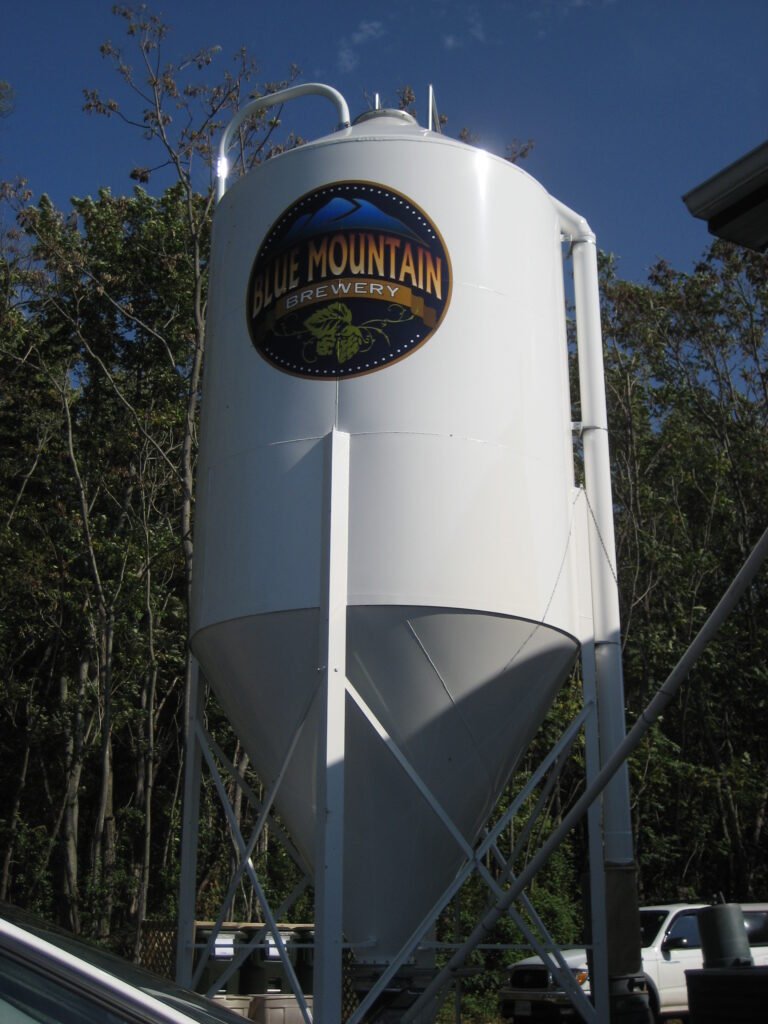
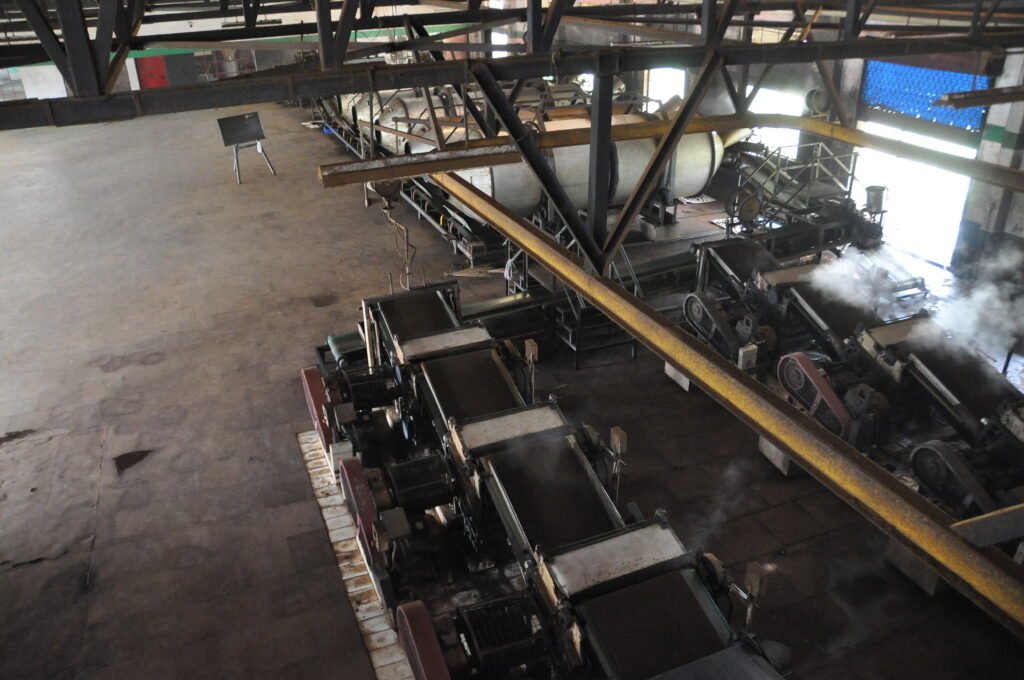
Beer brewing is the process of producing beer by converting starches, typically from malted grain, into fermentable sugars and then fermenting those sugars with yeast to produce alcohol and carbonation. The fundamental process has remained conceptually similar for thousands of years even as equipment and scientific understanding have advanced considerably. The Core Brewing Process Malting
Beer Brewing Read More »
The process of producing beer by converting grain starches into sugar, then fermenting that sugar with yeast.
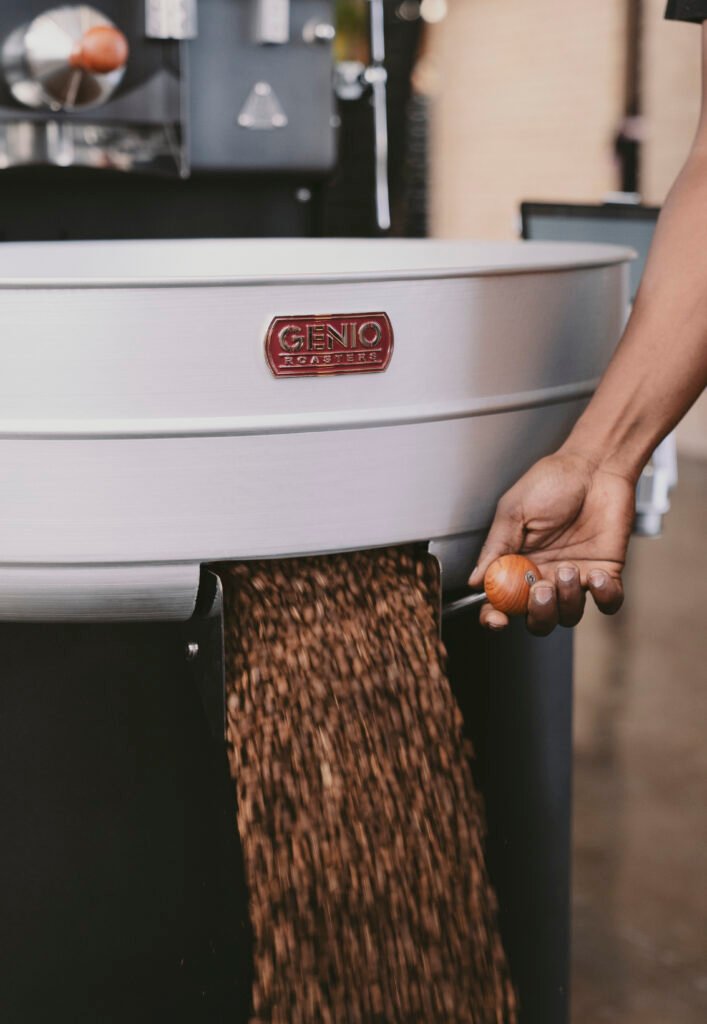
Coffee roasting is the process of heating raw, green coffee beans to transform them chemically and physically into the aromatic brown beans used to brew coffee. Roasting is widely considered one of the most influential steps in determining a coffee’s final flavor, often rivaling or exceeding the impact of the bean’s origin or brewing method.
Coffee Roasting Read More »
The process of heating green coffee beans to transform them into the aromatic brown beans used for brewing.
Craft brewing refers to the production of beer by small, independent breweries that emphasize traditional ingredients, flavor innovation, and brewing techniques outside large-scale industrial production. Defining Characteristics Industry bodies such as the Brewers Association define craft breweries by production volume thresholds and independence from ownership by large conglomerates, alongside a traditional or innovative approach to
Craft Brewing Read More »
Beer production by small, independent breweries emphasizing traditional methods, ingredient innovation, and flavor diversity over mass-market scale.
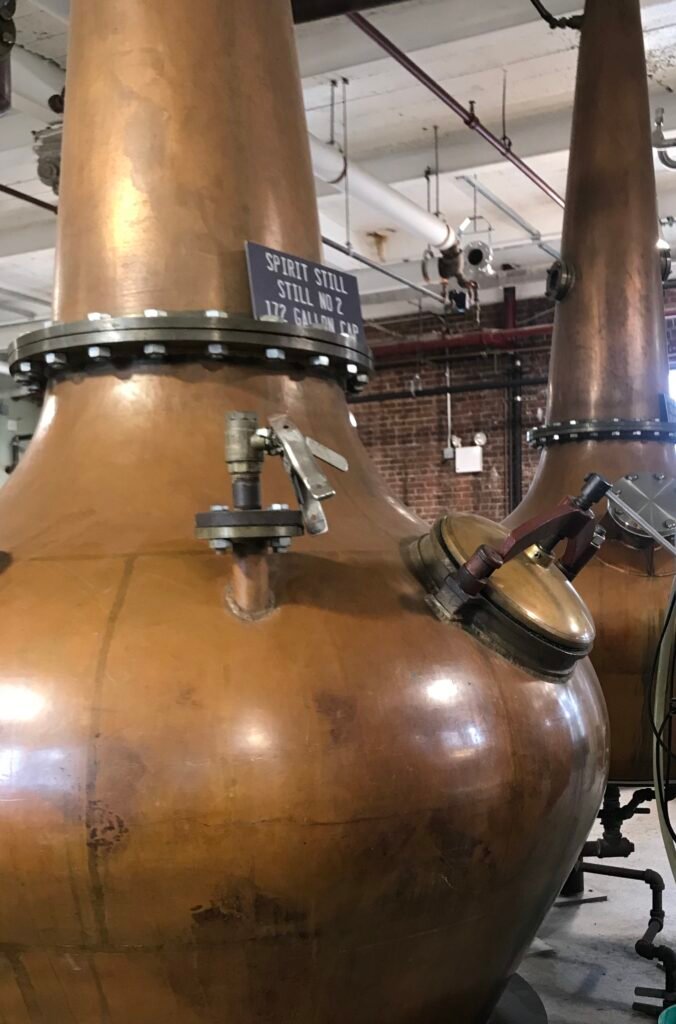
Distillation is the process of separating and concentrating alcohol from a fermented liquid by heating it to exploit the different boiling points of water and ethanol, producing spirits with substantially higher alcohol content than the original fermented base. Nearly all hard liquors, including whiskey, vodka, rum, gin, and brandy, begin as a fermented liquid before
Distillation Read More »
The process of separating and concentrating alcohol from a fermented liquid using differing boiling points.
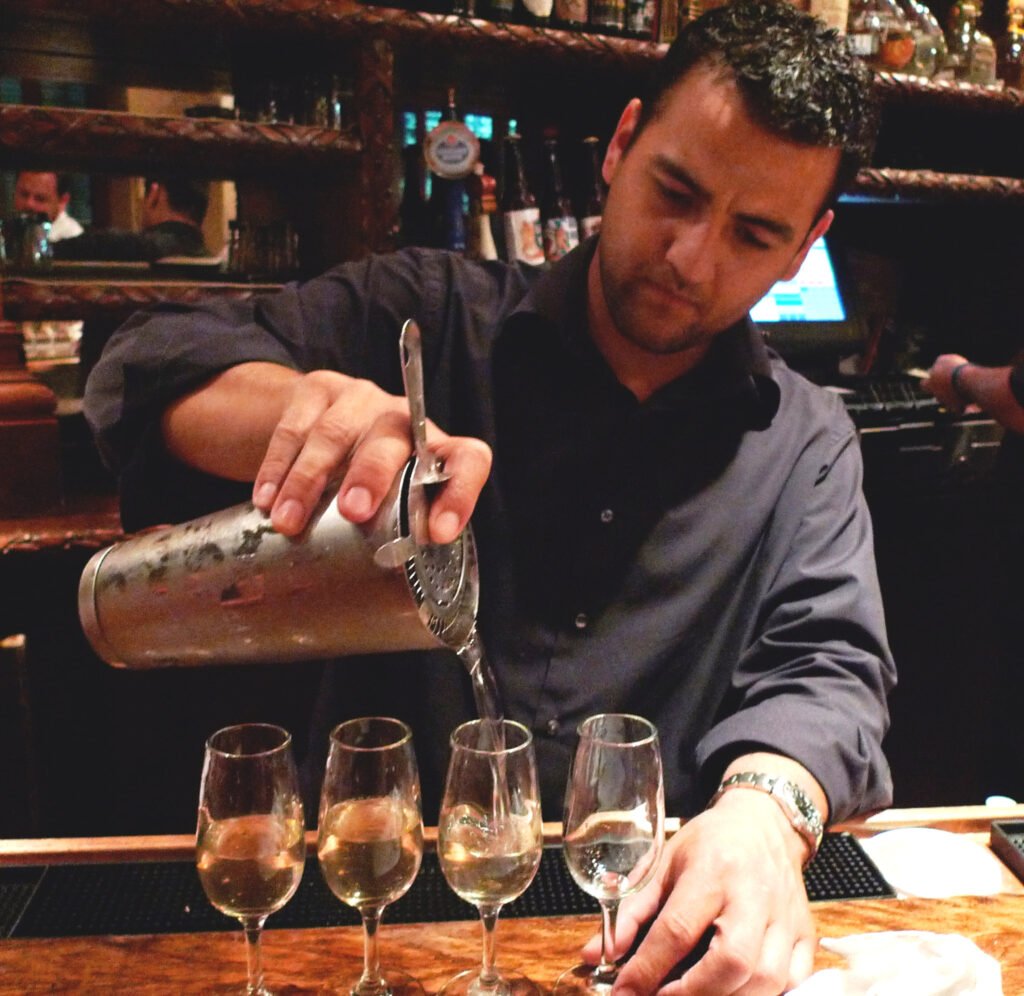
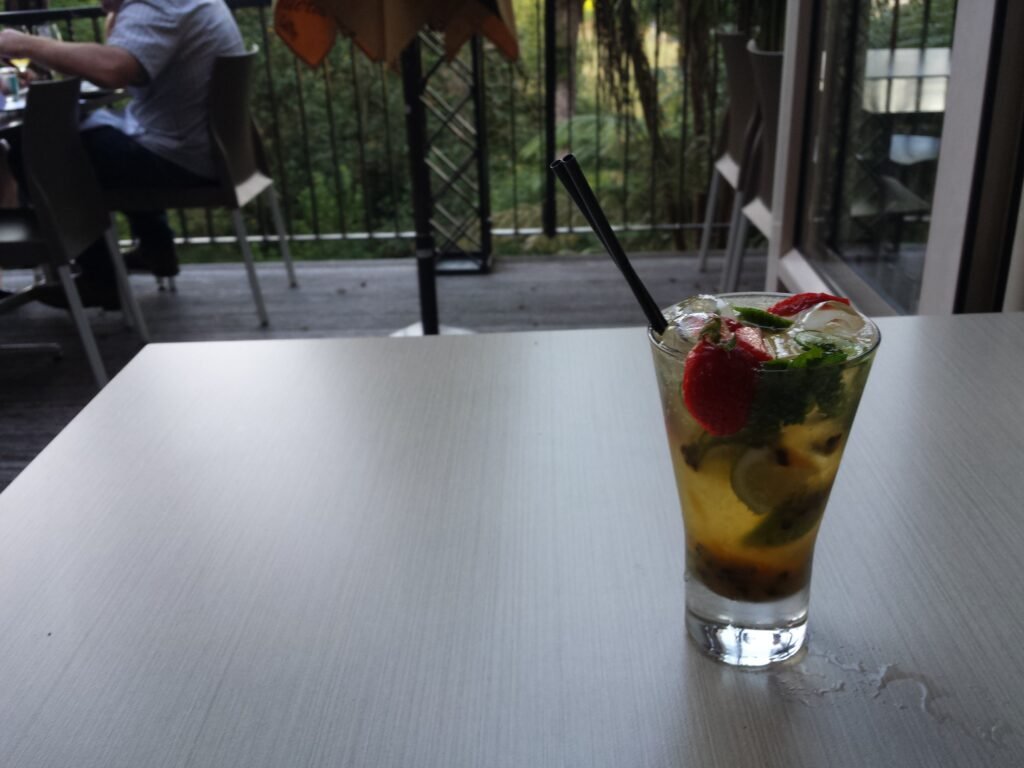
Mixology is the specialized craft of creating mixed drinks and cocktails, combining knowledge of spirits, flavor balancing, and technique with creative presentation. While bartending broadly covers all aspects of drink service, mixology specifically emphasizes the thoughtful construction and innovation behind a cocktail’s recipe and technique. Core Techniques Shaking combines ingredients, typically including ice, in a
Mixology Read More »
The specialized craft of creating mixed drinks and cocktails through flavor balancing, technique, and presentation.
Non-alcoholic beverages encompass the broad category of drinks consumed without ethanol content, ranging from water and juice to sodas, teas, and dealcoholized versions of wine and beer. Categories and Production The category includes naturally alcohol-free drinks like fruit juices and sparkling water alongside beverages crafted to mimic alcoholic counterparts, such as non-alcoholic beer produced through
Non-Alcoholic Beverage Read More »
Drinks consumed without meaningful ethanol content, including naturally alcohol-free options and dealcoholized versions of wine and beer.
A sommelier is a trained wine professional responsible for curating, managing, and presenting a restaurant or retailer’s wine program. Role and Responsibilities Sommeliers build wine lists, train service staff, manage cellar inventory and storage conditions, and guide guests toward selections that suit their tastes and the food being served. In fine dining settings, the role
Sommelier Read More »
A trained wine professional who curates wine lists, manages cellar programs, and guides food and wine pairings for guests.
Tea processing is the series of steps applied to freshly harvested tea leaves that determines which of the major tea categories, including green, white, oolong, and black tea, the finished product becomes. Remarkably, nearly all true tea originates from the same plant species, Camellia sinensis, meaning processing method rather than plant variety is primarily responsible
Tea Processing Read More »
The series of steps applied to tea leaves, especially oxidation, that determines whether the result is green, black, oolong, or white tea.
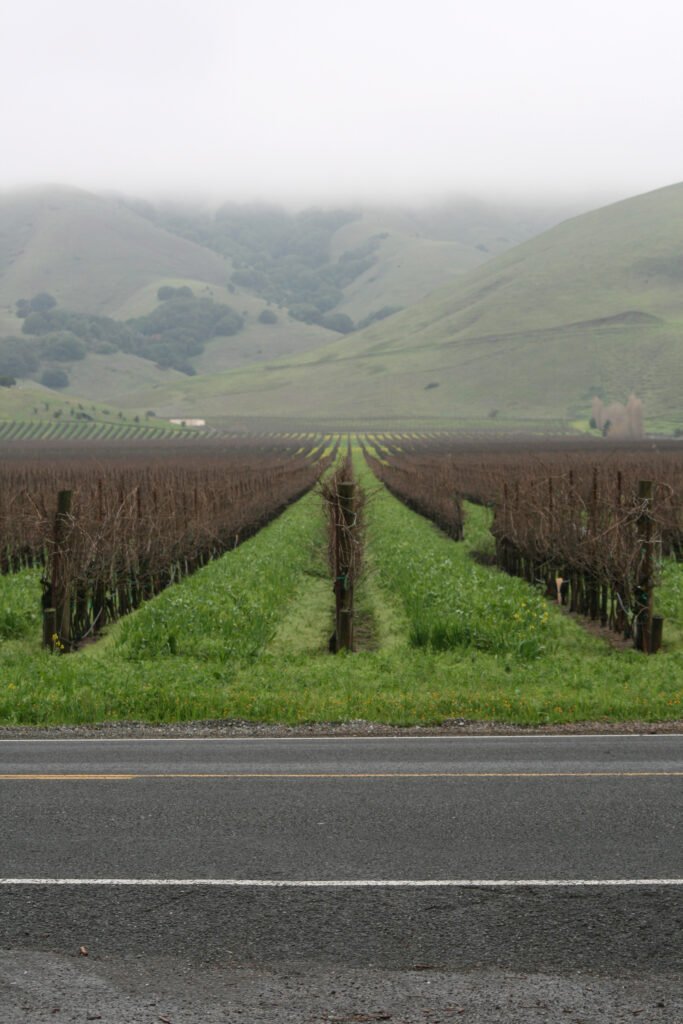
Terroir is the French concept describing how a specific place’s combination of soil, climate, topography, and farming tradition shapes the character of an agricultural product, most famously wine. Components of Terroir The idea encompasses soil composition and drainage, mesoclimate and sun exposure, elevation and slope angle, and the accumulated viticultural practices of generations of growers
Terroir Read More »
The French concept that a location's soil, climate, and farming tradition shape the distinctive character of foods and beverages grown there.
Wine tasting is the systematic sensory evaluation of wine, assessing its appearance, aroma, taste, and finish to judge quality, identify grape variety and origin, and determine readiness for drinking. Professional tasting follows a structured method, while casual tasting borrows the same basic steps in simplified form. The Systematic Approach Wine tasting typically follows a sequence
Wine Tasting Read More »
The systematic sensory evaluation of wine assessing appearance, aroma, taste, and finish.