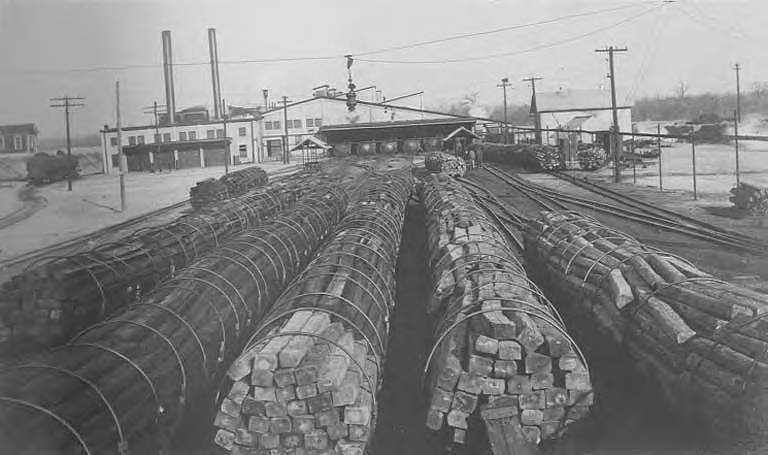
Wood preservation refers to the range of treatments applied to timber to protect it from decay-causing fungi, wood-boring insects, and marine borers, extending the usable life of wood products that would otherwise degrade rapidly when exposed to moisture, soil contact, or pest-prone environments. Preservation treatments are especially important for structural and outdoor uses, such as fence posts, decking, and utility poles.
Preservation Methods
Pressure treatment forces chemical preservatives deep into wood cells using vacuum and pressure cycles inside sealed cylinders, achieving much deeper and more even penetration than simply brushing or dipping preservatives onto the surface. Common preservative chemicals include copper-based compounds that resist fungal decay and insect attack, though formulations have shifted over past decades away from older arsenic- and chromium-based treatments due to health and environmental concerns.
Natural and Alternative Approaches
Some wood species, such as cedar, redwood, and certain tropical hardwoods, contain natural extractives that provide a degree of decay resistance without any chemical treatment, making them popular choices for outdoor applications despite typically higher cost. Thermal modification, which heats wood to high temperatures to alter its cellular structure, has also gained attention as a chemical-free preservation alternative, though it can reduce the wood mechanical strength compared with chemically treated equivalents.
Preservative Categories
Preservatives used in wood treatment are generally grouped into oil-based, waterborne, and creosote categories, each suited to different applications and exposure conditions. Waterborne preservatives have become the dominant choice for residential lumber because treated wood can be painted or stained after treatment, while creosote, with its strong odor and dark color, remains common for railway ties and utility poles where appearance is not a concern.
Health and Environmental Regulation
Older preservative formulations containing chromium and arsenic compounds were phased out of most residential uses in many countries after health and environmental concerns emerged, particularly regarding exposure risk for children in contact with treated playground equipment and decking. Regulatory agencies in many jurisdictions now require manufacturers to disclose preservative chemical content and provide handling guidance, and disposal of treated wood is often restricted to prevent its chemicals from leaching into soil or water or being released through uncontrolled burning.
Economic Considerations
Treated lumber typically costs more upfront than untreated wood, but the added expense is usually justified by a significantly longer service life, particularly for structural applications exposed to ground contact or constant moisture where untreated wood would decay within just a few years. Utility companies and infrastructure operators, who rely heavily on treated wood poles and structural timbers, factor preservation treatment costs into long-term asset planning, since replacing untreated structural wood prematurely would carry far greater total cost than the initial treatment investment.
Looking Ahead
Research into less toxic, more environmentally friendly preservative chemicals continues as regulatory pressure and consumer preference push the industry away from older formulations, with copper-based and borate treatments gaining ground as safer alternatives to legacy chemicals. Thermal and other non-chemical modification techniques are also likely to see expanded use as manufacturers look for preservation methods that avoid chemical treatment altogether while still extending wood service life in demanding outdoor applications.
Related Specialties
Wood preservation connects closely to sawmill operations, since treatment often happens immediately after lumber is cut and dried to standard dimensions. It also overlaps with environmental toxicology, a field concerned with how preservative chemicals behave once they leach into soil or water around treated wood structures.
Treatment Selection by Application
Choosing an appropriate preservative treatment depends heavily on how and where the wood will be used, since ground-contact applications like fence posts demand far more aggressive protection than above-ground applications such as deck railings that are exposed mainly to rain and humidity rather than constant soil moisture. Manufacturers typically label treated lumber according to its intended use category, helping builders select a product matched to the actual exposure conditions a given application will face.
Testing and Certification
Treated wood products are typically tested under standardized accelerated aging and field exposure protocols to verify how long a given treatment formulation can reasonably be expected to protect wood under realistic conditions. Independent certification agencies inspect treatment facilities and test retained preservative chemical levels in finished products, giving builders and consumers a way to confirm that a given batch of treated lumber meets the performance claims printed on its label.
Natural Decay Resistance Comparison
Comparing chemically treated wood against naturally decay-resistant species helps buyers weigh cost and performance tradeoffs, since naturally resistant woods avoid chemical treatment concerns entirely but typically cost more per board foot and may have more limited size and grade availability than widely available treated softwood species. This comparison often factors into decisions for outdoor structures where both appearance and long-term durability matter to the buyer.
Homeowners and contractors are generally advised to follow manufacturer handling and disposal guidance for treated wood, since improper disposal, including burning treated scraps, can release concentrated preservative chemicals in ways not intended by the original treatment design.
Retailers selling treated lumber typically provide printed safety information at the point of sale to help buyers handle and dispose of the material appropriately.
Some specifiers now request documentation showing the full lifecycle environmental impact of a given preservative treatment, reflecting a broader shift toward sustainability disclosure across the building materials industry.
Field trials comparing different preservative formulations under real-world exposure conditions continue to inform updates to treatment standards and recommended service life estimates.
Some manufacturers now offer extended warranties on treated lumber products as confidence in newer preservative formulations has grown over time.
Key facts
- Pressure treatment forces preservatives deep into cells; copper-based compounds are common modern preservatives; some species are naturally decay-resistant.
Quick checkWhy is pressure treatment more effective than surface-applied preservatives?Show answer
It forces preservative chemicals deep into the wood cells rather than leaving them only on the surface.
Sources
- Based on general wood products and timber treatment literature.
Editorially reviewed by Specialty Digest Editorial TeamLast reviewed November 3, 2026Researched and drafted with AI assistanceReport an issue