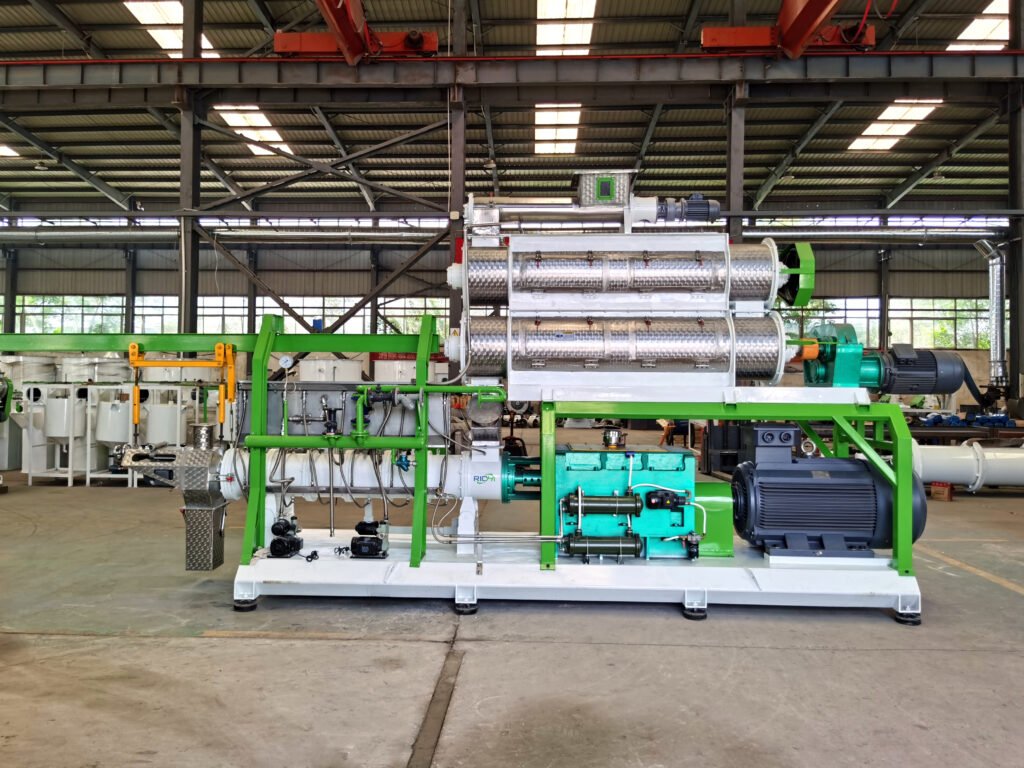
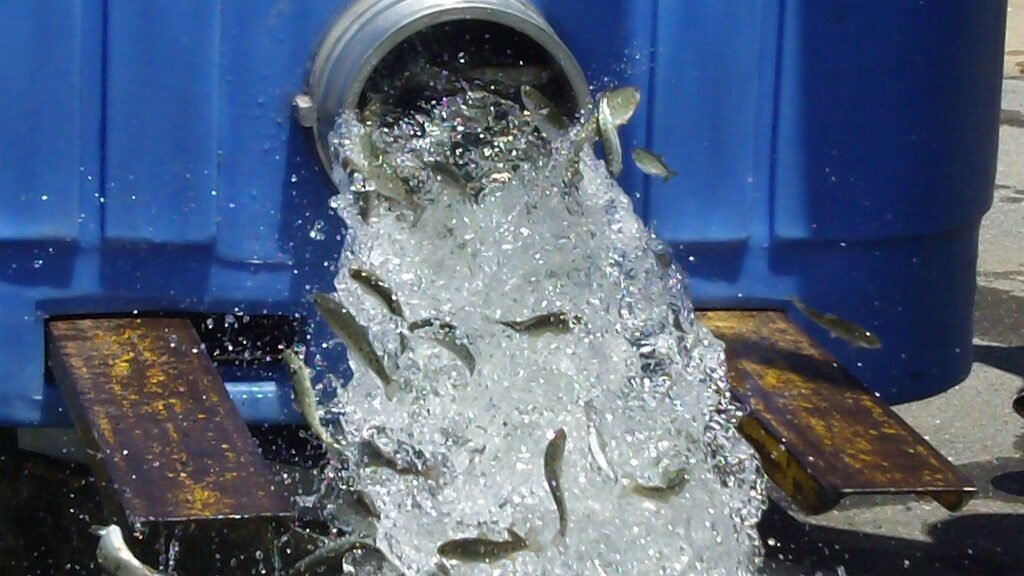
Aquaculture feed is manufactured nutrition formulated specifically for farmed fish, shrimp, and other aquatic animals, designed to supply the protein, fat, vitamins, and minerals each species needs at different life stages. Feed typically represents the largest single operating cost in most fish and shrimp farming, making its formulation and efficiency a central concern across the
Aquaculture Feed Read More »
Manufactured nutrition formulated for farmed fish, shrimp, and other aquatic animals.
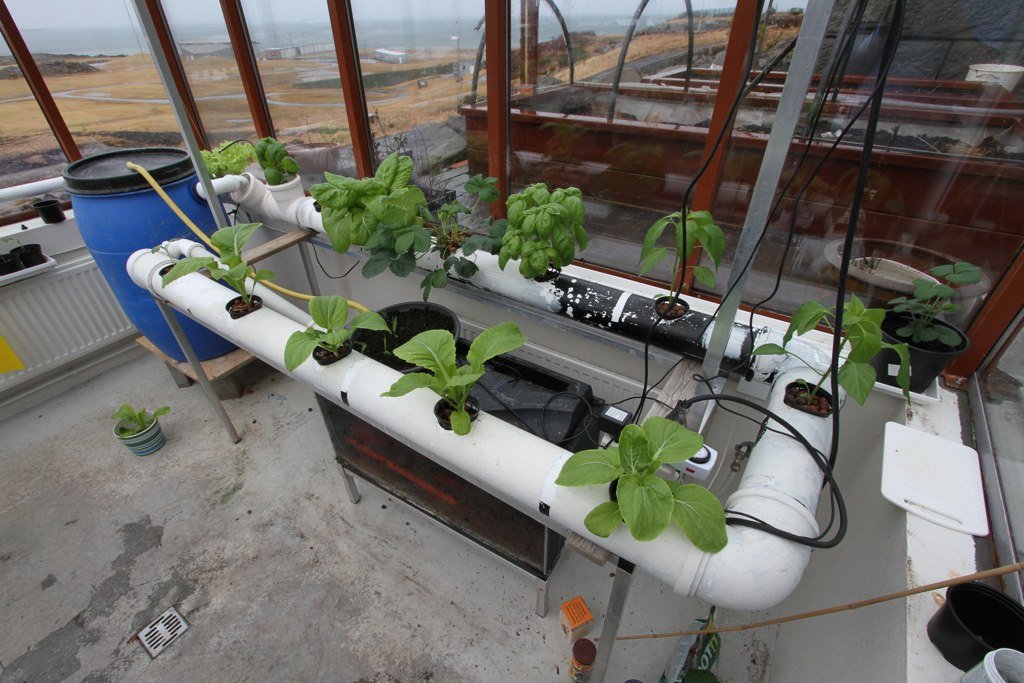
Aquaponics is a food production method that combines fish farming with hydroponic plant cultivation in a single integrated system, where fish waste provides nutrients for plants and the plants help filter and clean the water that returns to the fish. This closed-loop design allows both fish and vegetables to be produced together using substantially less
Aquaponics Read More »
A food production method combining fish farming and plant growing in one integrated, water-recycling system.
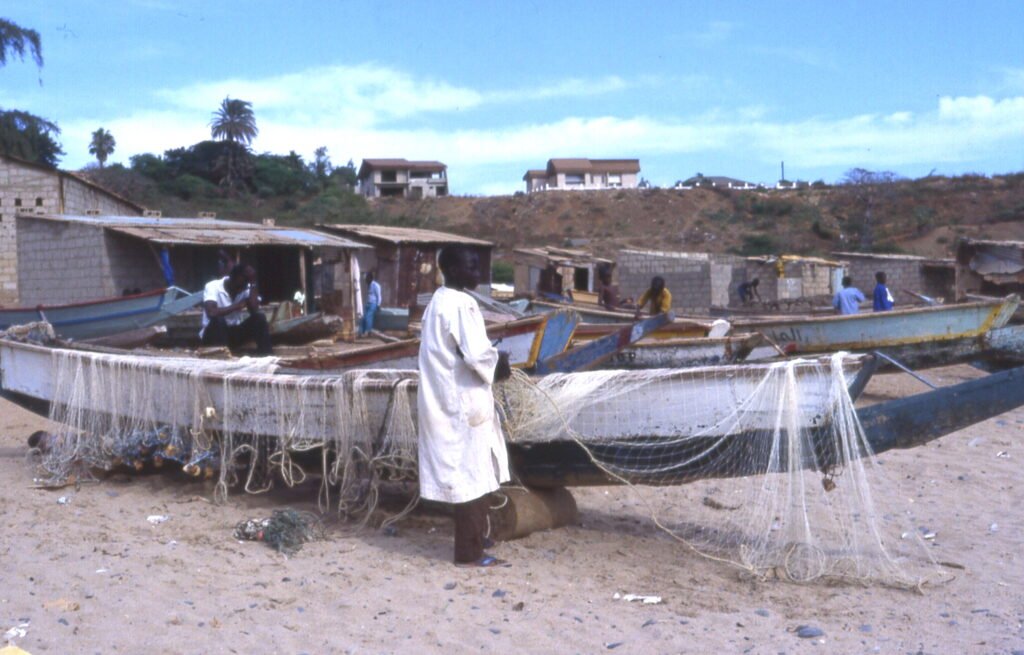
Artisanal fishing is small-scale fishing conducted by individuals or families using relatively simple vessels, gear, and techniques, typically for local consumption or sale rather than large-scale commercial export. It remains a vital source of food and income for coastal and riverine communities across much of the developing world. Characteristic Methods and Gear Artisanal fishers commonly
Artisanal Fishing Read More »
Small-scale fishing by individuals or families for local food and income rather than large export.
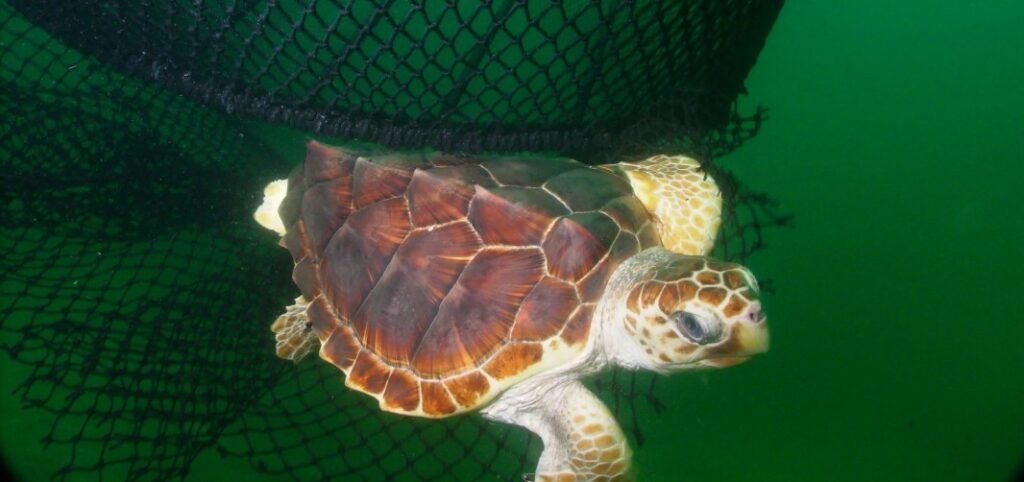
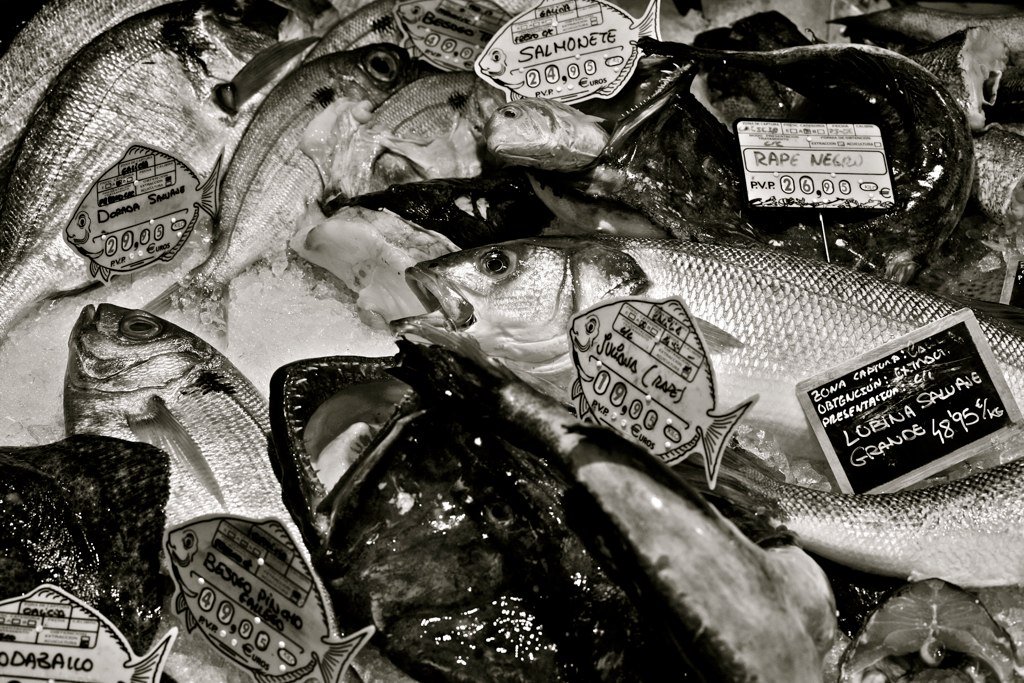
Bycatch is the unintentional capture of non-target marine species during commercial or recreational fishing operations aimed at a different species. It includes fish that are the wrong size or species, as well as sea turtles, marine mammals, seabirds, and sharks caught incidentally in gear set for another target. Why Bycatch Happens Most fishing gear cannot
Bycatch Read More »
The unintentional capture of non-target species, like turtles or seabirds, during fishing.
A catch limit is a legally enforceable cap on the amount of a fish species that can be harvested from a given stock within a set period, usually a year. Catch limits are the central tool fisheries managers use to translate scientific stock assessments into binding restrictions on commercial and recreational fishing. How Catch Limits
Catch Limit Read More »
A legally enforceable cap on how much of a fish species can be caught in a given period.
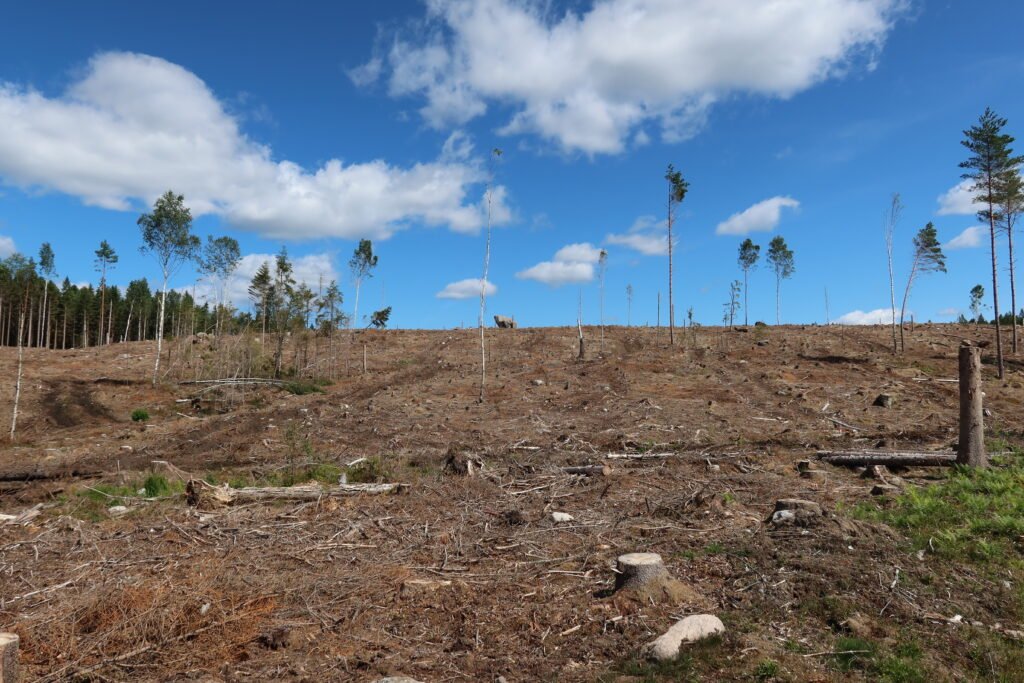
Clear-cutting is a forest harvesting method in which all or nearly all trees in a designated area are removed in a single operation, leaving an open site that then regenerates naturally or through replanting. Why Clear-Cutting Is Used Foresters favor clear-cutting for tree species that require full sunlight to regenerate, such as aspen and lodgepole
Clear-Cutting Read More »
A forest harvesting method that removes all or nearly all trees from an area in a single operation, followed by natural or planted regeneration.
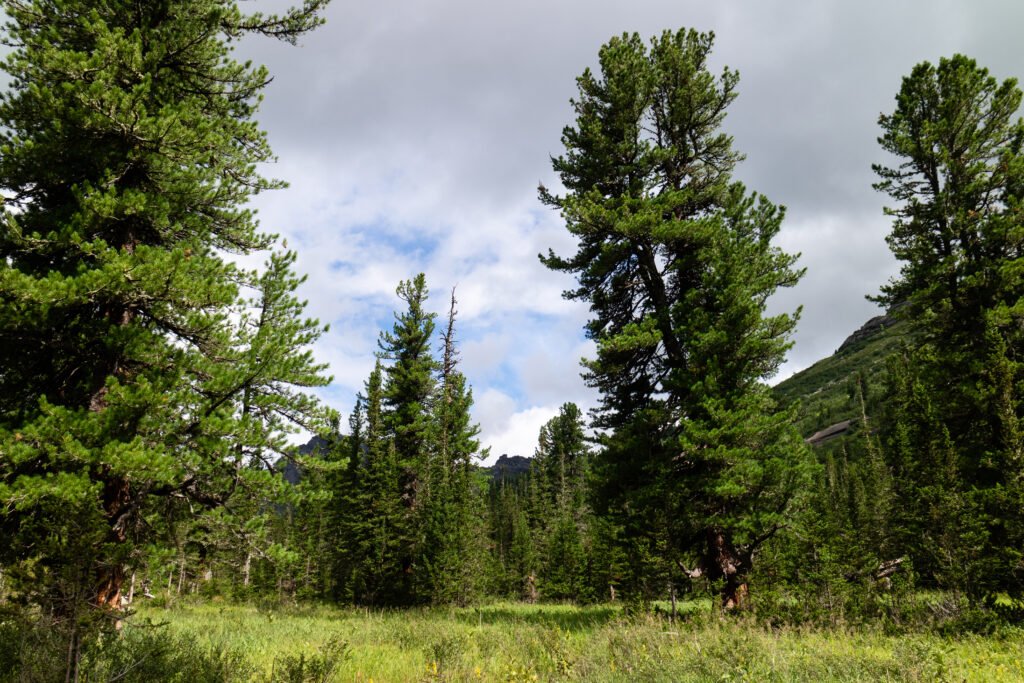
A coniferous forest is a forest ecosystem dominated by cone-bearing trees, most of which retain their needle-like leaves year-round, forming dense evergreen stands widespread across cooler regions of the Northern Hemisphere. Evergreen Needle Adaptation The narrow, waxy needles characteristic of most conifers minimize water loss and resist damage from heavy snow load, adaptations well suited
Coniferous Forest Read More »
A forest ecosystem dominated by cone-bearing, mostly evergreen trees, forming dense stands widespread across cooler regions of the Northern Hemisphere.
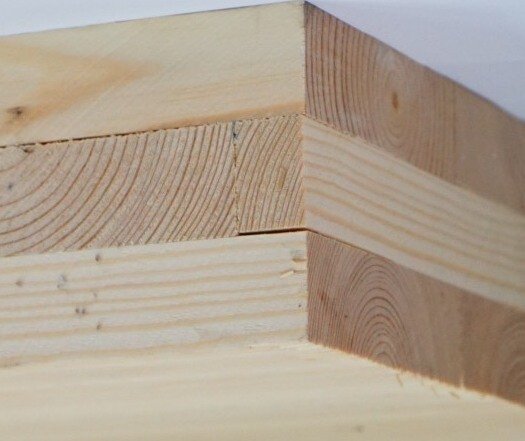
Cross-laminated timber, often shortened to CLT, is an engineered wood panel made by gluing together layers of solid-sawn lumber boards stacked with alternating grain directions, similar in principle to plywood but built from much thicker individual layers. The resulting panels are strong enough to serve as structural floors, walls, and roofs in buildings, including increasingly
Cross-Laminated Timber Read More »
An engineered wood panel made of stacked, cross-oriented layers of solid lumber.
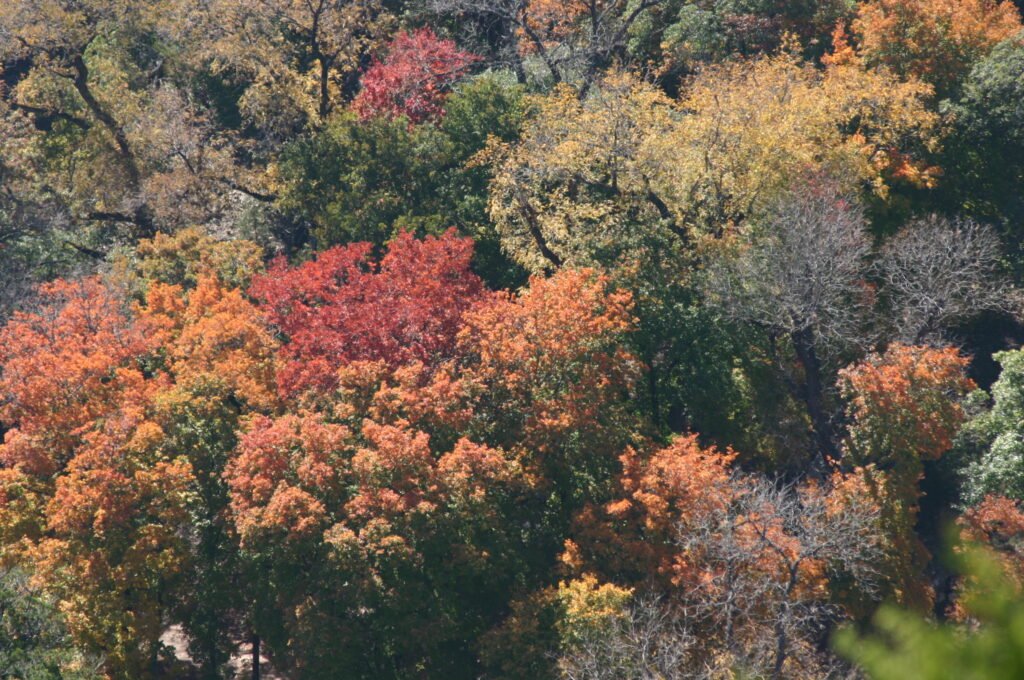
A deciduous forest is a forest ecosystem dominated by tree species that shed their leaves seasonally, typically in autumn in temperate climates, as an adaptation to conserve water and energy during cold winters or dry seasons. Seasonal Leaf Drop Adaptation Deciduous trees shed their leaves to avoid the metabolic cost of maintaining foliage during periods
Deciduous Forest Read More »
A forest ecosystem dominated by tree species that shed their leaves seasonally, typically as an adaptation to cold winters or dry seasons.
Finfish culture is the branch of aquaculture focused specifically on raising fish with internal skeletons, such as salmon, tilapia, catfish, and sea bass, as distinguished from the farming of shellfish or crustaceans. It encompasses the full range of species, systems, and techniques used to raise true fish from egg or fry to market size. Major
Finfish Culture Read More »
The branch of aquaculture focused on raising fish with internal skeletons, as distinct from shellfish farming.