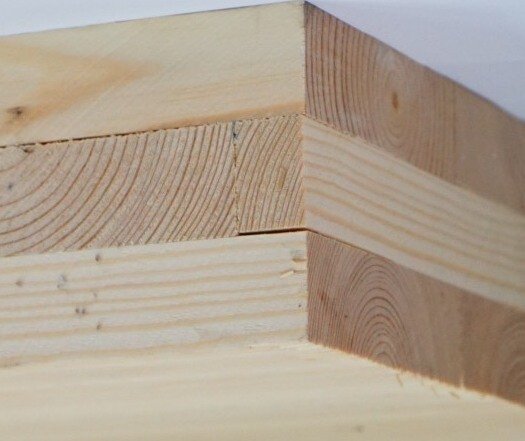
Cross-laminated timber, often shortened to CLT, is an engineered wood panel made by gluing together layers of solid-sawn lumber boards stacked with alternating grain directions, similar in principle to plywood but built from much thicker individual layers. The resulting panels are strong enough to serve as structural floors, walls, and roofs in buildings, including increasingly
Cross-Laminated Timber Read More »
An engineered wood panel made of stacked, cross-oriented layers of solid lumber.
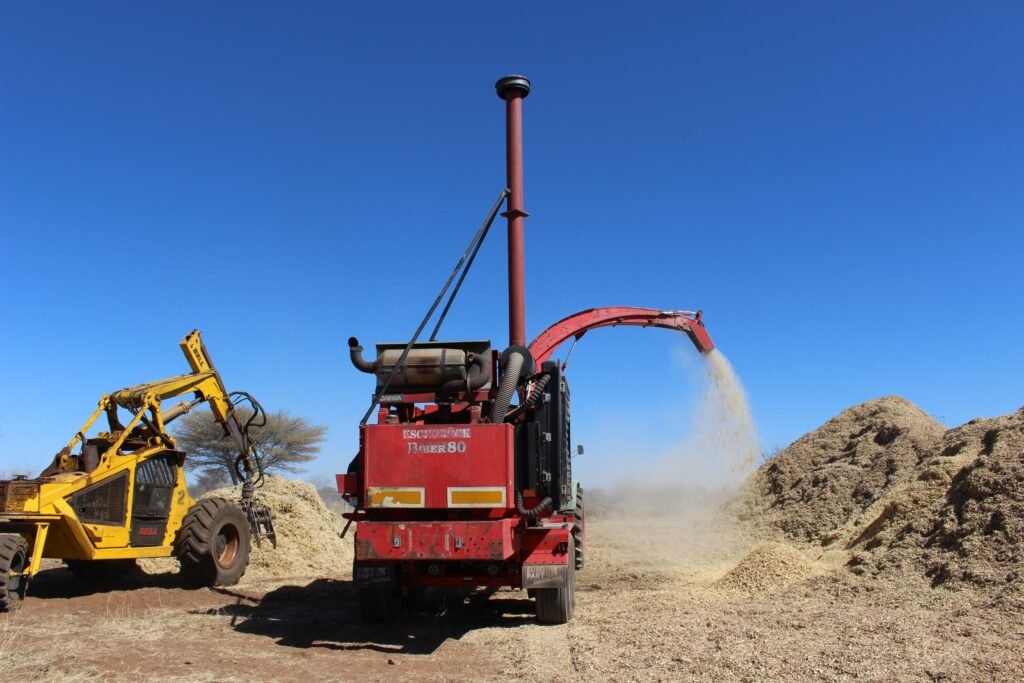
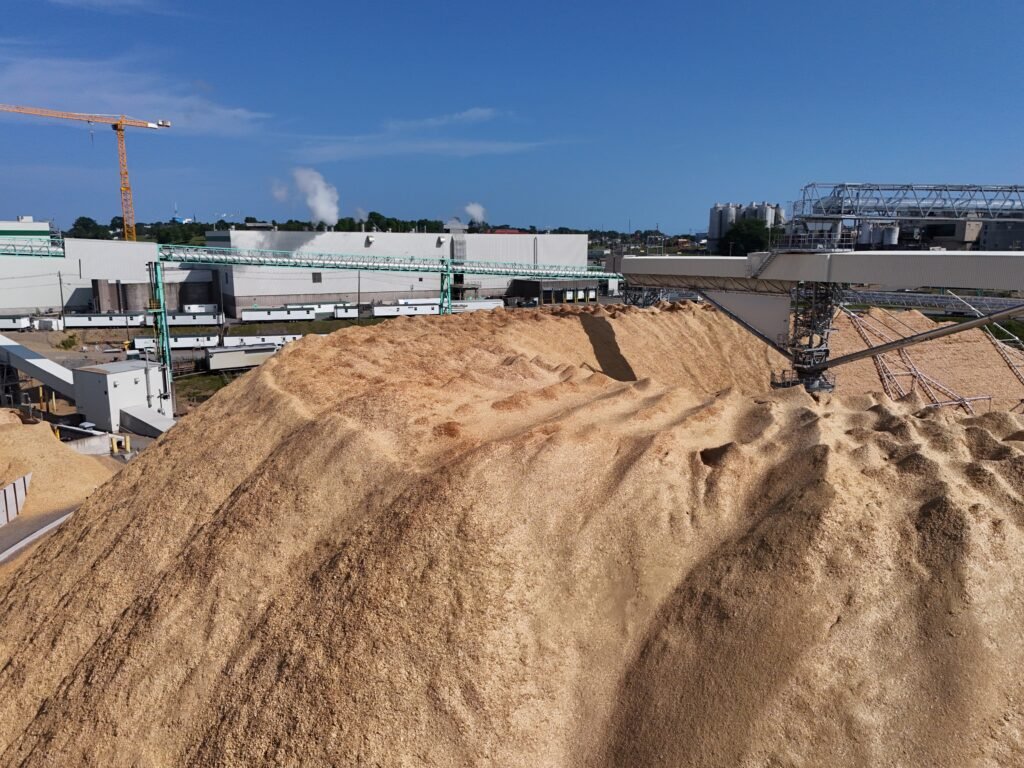
Forest biomass energy refers to the use of wood and other forest-derived organic material, including logging residues, sawmill byproducts, and purpose-grown energy crops, as a fuel source for generating heat or electricity. It represents one of the oldest forms of energy used by humans, now increasingly integrated into modern power plants and heating systems as
Forest Biomass Energy Read More »
Using wood and forest residues as a fuel source for heat and electricity generation.
Lumber grading is the process of inspecting sawn wood and sorting it into standardized quality classes based on strength, appearance, and the presence of defects such as knots, splits, or warping. Grading rules are set by regional or national standards organizations and allow buyers and builders to select lumber suited to a specific structural or
Lumber Grading Read More »
Sorting sawn lumber into standardized quality classes based on strength and appearance.
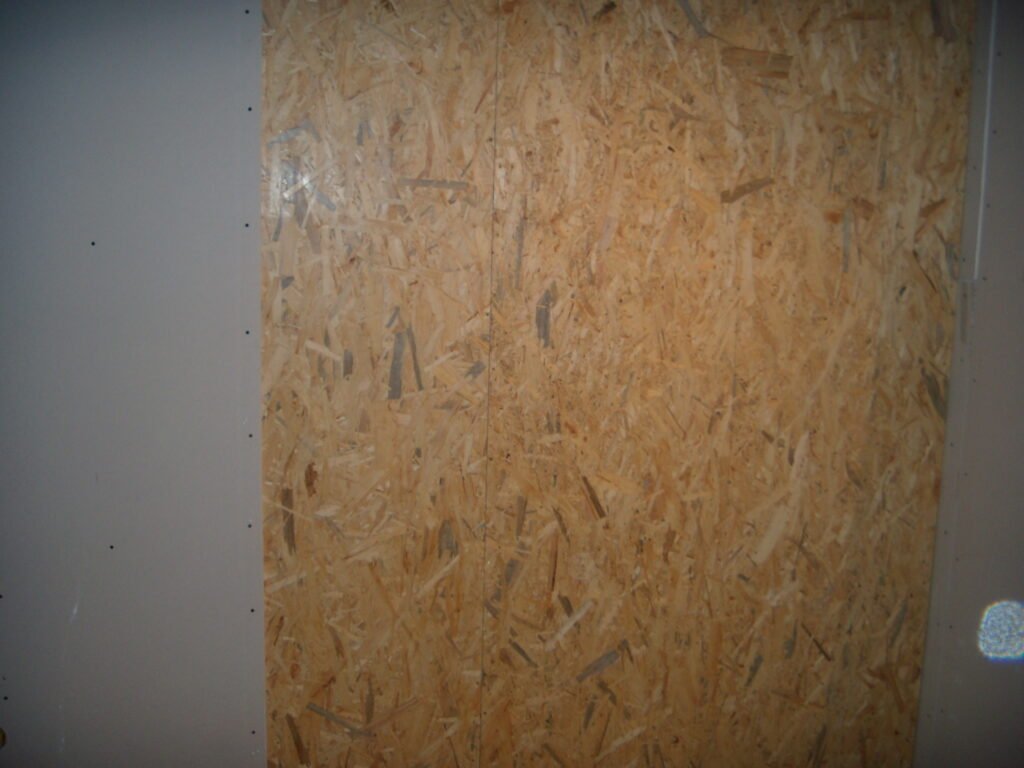
Particleboard is an engineered wood panel manufactured by combining small wood particles, chips, or shavings with a synthetic resin adhesive and pressing the mixture under heat into a flat sheet. It is one of the least expensive engineered wood products available, widely used in furniture, cabinetry, and flooring underlayment where appearance and structural strength requirements
Particleboard Read More »
An engineered wood panel made from pressed wood particles bonded with resin.
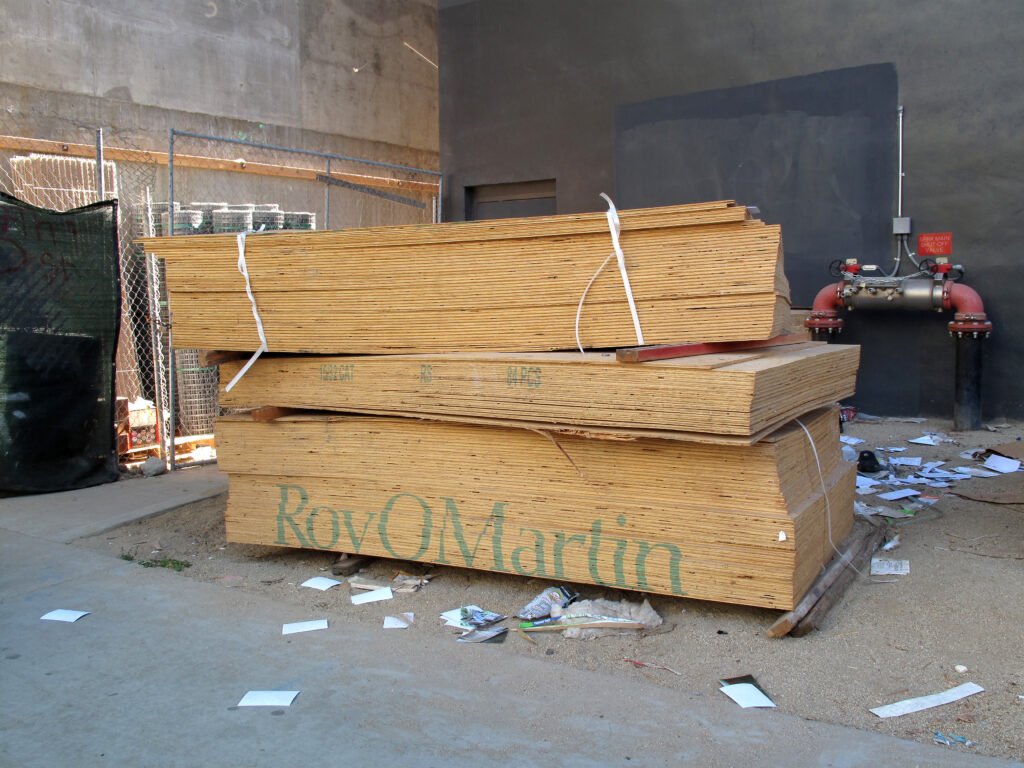
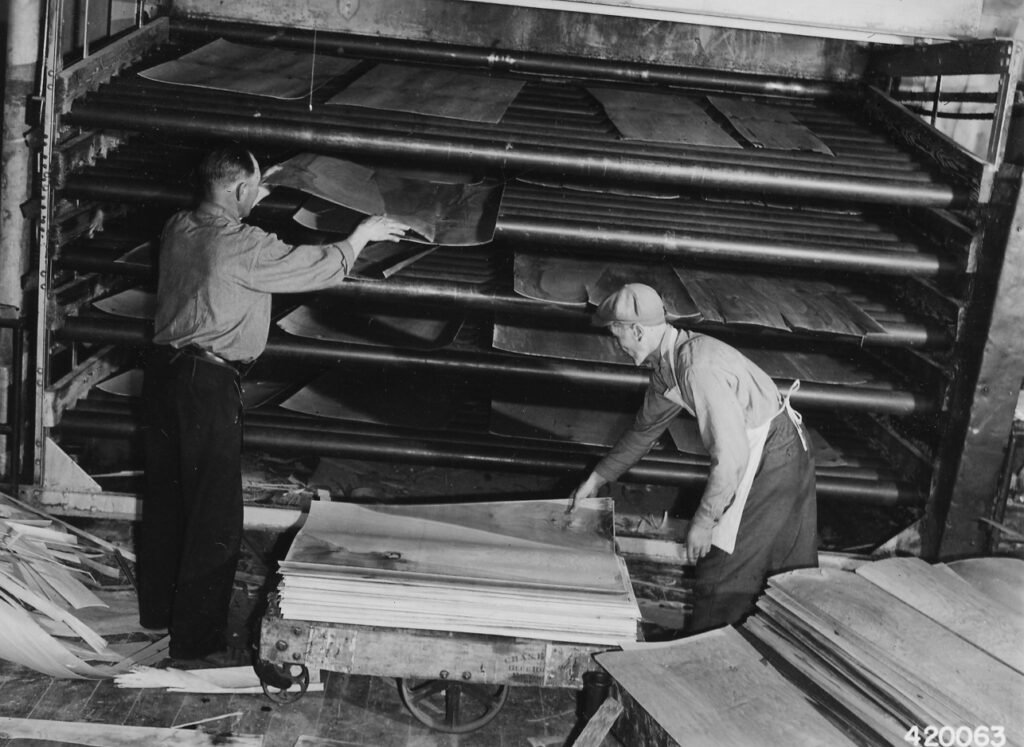
Plywood is an engineered wood panel made by gluing together thin layers of wood veneer with the grain direction of each layer rotated roughly ninety degrees relative to its neighbors. This cross-grain construction gives plywood strength and dimensional stability in multiple directions, making it less prone to warping, splitting, or shrinking unevenly than a solid
Plywood Read More »
An engineered wood panel built from cross-layered veneer sheets glued together.
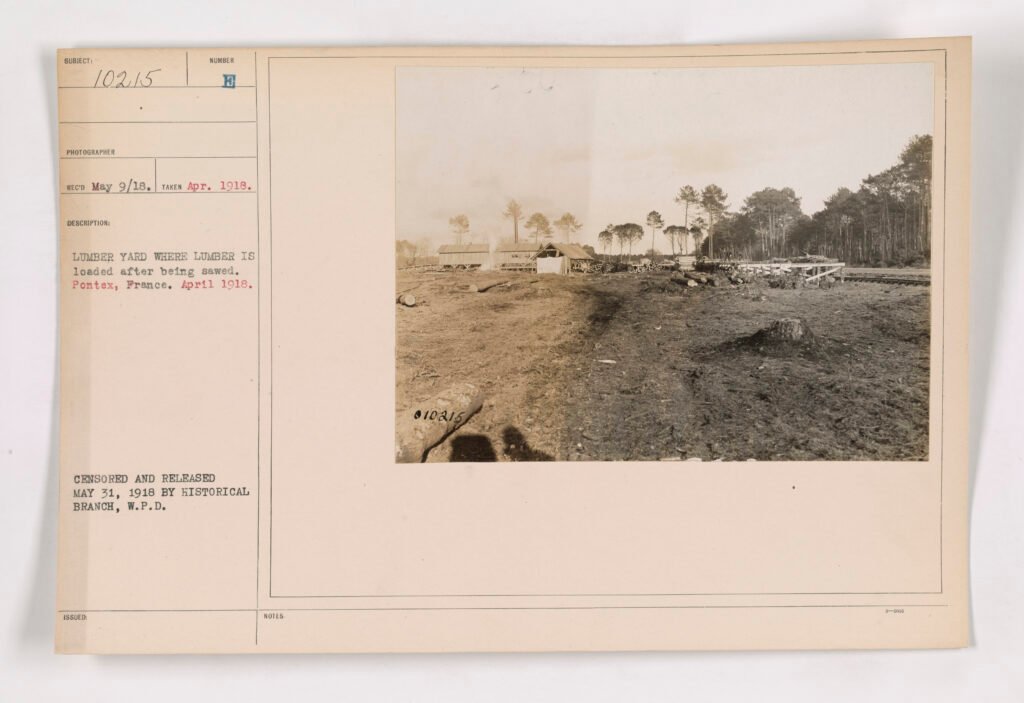
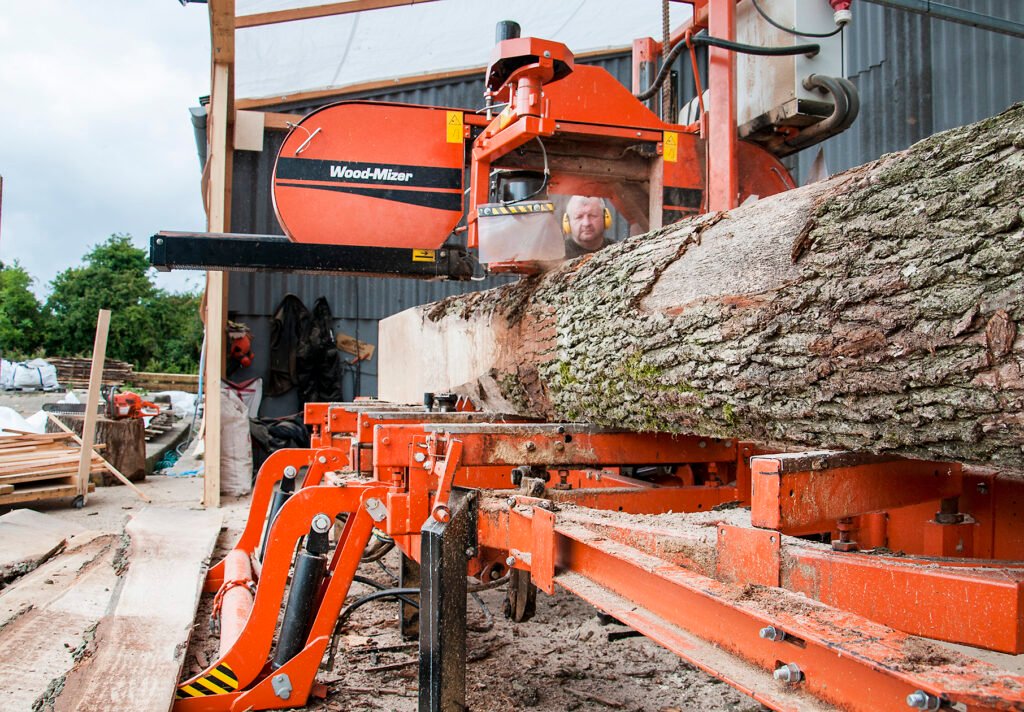
A sawmill is a facility where logs are cut into lumber, boards, and other sawn wood products using large saws and processing equipment. Sawmills form the critical link between forest harvesting and the construction, furniture, and paper industries, converting raw round logs into standardized dimensional products that builders and manufacturers can use directly. Sawmill Operations
Sawmill Read More »
A facility that cuts logs into lumber and other sawn wood products.
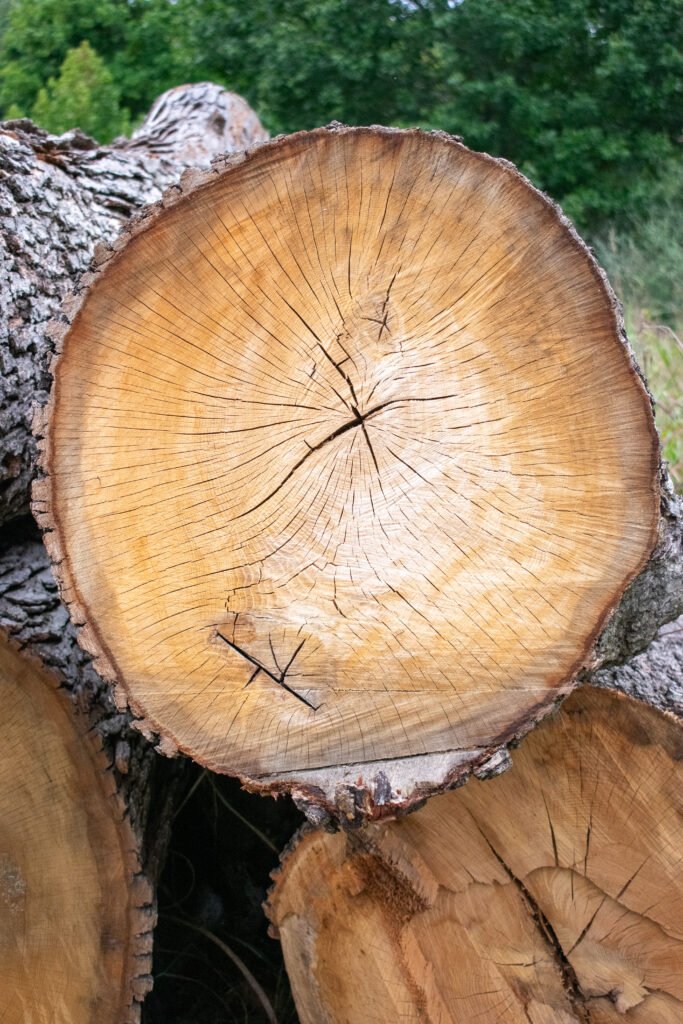
Wood density is a measure of how much mass a given volume of wood contains, usually expressed as mass per unit volume, and it is one of the most important physical properties influencing how a species of wood performs structurally, how it burns, and how it machines or finishes. Denser woods generally offer greater strength
Wood Density Read More »
A measure of the mass of wood per unit volume, influencing its strength, workability, and fuel value.
Wood preservation refers to the range of treatments applied to timber to protect it from decay-causing fungi, wood-boring insects, and marine borers, extending the usable life of wood products that would otherwise degrade rapidly when exposed to moisture, soil contact, or pest-prone environments. Preservation treatments are especially important for structural and outdoor uses, such as
Wood Preservation Read More »
Treating timber to resist decay, insects, and marine borers and extend its service life.
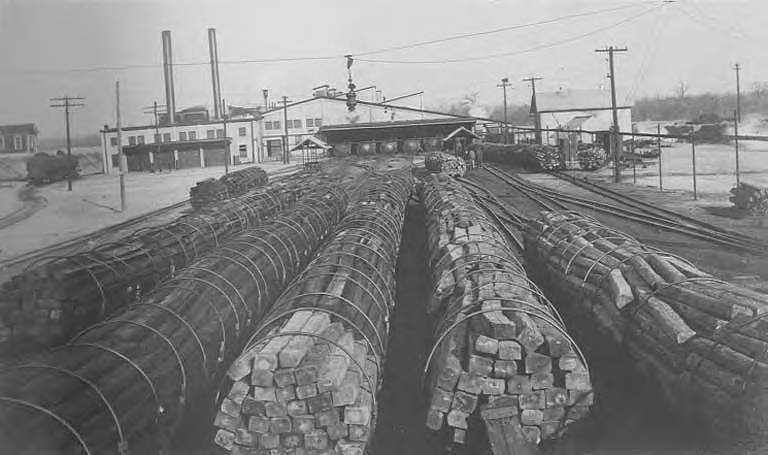
Wood pulp is a fibrous material produced by mechanically or chemically breaking down wood into its cellulose fibers, forming the primary raw material used to manufacture paper, cardboard, and a range of other cellulose-based products. Producing pulp separates the useful cellulose fibers from lignin and other wood components that would otherwise weaken paper or cause
Wood Pulp Read More »
Fibrous cellulose material extracted from wood for making paper and related products.
Wood veneer is a thin sheet of wood, typically less than three millimeters thick, sliced or peeled from a log and used as a decorative or functional surface layer on furniture, cabinetry, doors, and engineered wood panels. Veneer allows manufacturers to achieve the appearance of expensive or rare wood species while using far less raw
Wood Veneer Read More »
A thin sliced or peeled sheet of wood used as a decorative or functional surface layer.