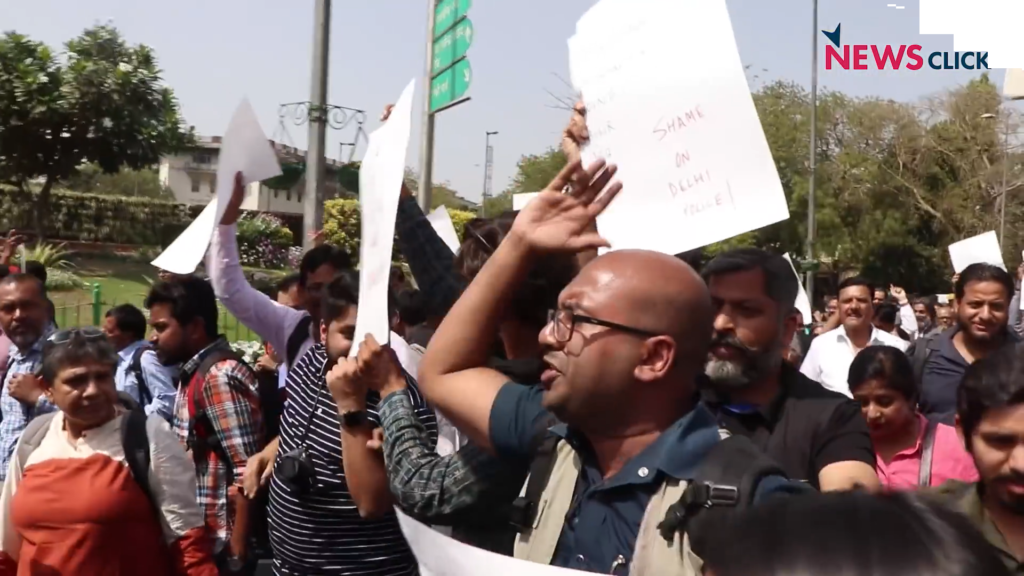
Press freedom refers to the right of journalists and media organizations to report news and express opinions without government censorship, retaliation, or undue restriction. It is widely regarded as a cornerstone of democratic governance, enabling citizens to access information needed to hold powerful institutions accountable.
Legal and Constitutional Protections
Many countries enshrine press freedom in constitutional or statutory law, though the scope and enforcement of these protections vary considerably around the world, with some nations providing robust legal safeguards and others imposing significant restrictions on independent reporting. International organizations regularly publish press freedom indices ranking countries based on factors such as legal protections, journalist safety, and government interference in media operations.
Threats to Press Freedom
Journalists in many parts of the world face threats ranging from legal harassment and censorship to physical violence and imprisonment, particularly when reporting on corruption, organized crime, or government abuses. Economic pressures, including declining advertising revenue and media ownership concentration, have also raised concerns about press independence even in countries with strong formal legal protections.
International Variation
Press freedom conditions vary dramatically across different countries, with some nations maintaining robust independent media sectors largely free from government interference, while others impose strict licensing requirements, state control of major outlets, or criminal penalties for reporting deemed critical of those in power. International monitoring organizations track these conditions closely, publishing annual assessments that inform diplomatic pressure, advocacy campaigns, and support programs aimed at protecting journalists working in restrictive environments.
Supporting Press Freedom
Various organizations work specifically to defend journalists facing legal harassment, imprisonment, or violence, providing legal assistance, emergency relocation support, and public advocacy on their behalf. Press freedom advocates also emphasize the importance of media literacy and public support for independent journalism, arguing that a free press ultimately depends not just on legal protections but on a society that values and defends it.
Economic Pressures on Press Freedom
Beyond direct government censorship, declining advertising revenue and changing media business models have created economic pressures that can indirectly constrain press freedom, as financially struggling outlets may have less capacity to pursue costly investigative work or withstand legal threats from powerful subjects. Media ownership concentration has also raised concerns in various markets about whether a shrinking number of owners might exert outsized influence over the range of viewpoints and stories that reach the public.
Looking Ahead
Digital surveillance technology and new legal tools available to governments have introduced fresh challenges to press freedom, even in countries with historically strong legal protections, prompting renewed advocacy for updated legal frameworks and digital security training for journalists. International cooperation among press freedom organizations has grown increasingly important as threats to journalists, including transnational harassment and cross-border legal pressure, have become more interconnected across different countries.
Related Specialties
Press freedom connects closely to investigative journalism, since investigative reporters often face the greatest legal and physical risk in restrictive environments. It also overlaps with media law and international human rights law, fields concerned with the legal protections underpinning independent reporting.
Press Freedom and Public Trust
Press freedom protections alone do not guarantee a well-functioning media environment, since public trust in journalism also depends on perceived fairness, accuracy, and independence from political or commercial interests, factors that can erode even where formal legal protections remain strong. Some researchers argue that declining public trust in media, observed in various countries in recent years, poses a challenge to press freedom advocacy, since public support often underpins political will to defend journalist rights and resist government overreach.
Education and Media Literacy
Advocates for press freedom increasingly emphasize media literacy education as a complementary strategy to legal protections, arguing that an informed public better equipped to evaluate news sources and recognize propaganda ultimately provides a more durable foundation for press freedom than legal safeguards alone.
Measuring Press Freedom
Organizations tracking press freedom typically rely on a combination of quantitative indicators, such as recorded incidents of journalist detention or violence, and qualitative assessments of legal frameworks and government behavior toward media, acknowledging that press freedom conditions can be difficult to capture in a single simple metric. These measurement challenges have not stopped press freedom indices from becoming influential tools in diplomatic and advocacy contexts, where comparative rankings can draw attention to deteriorating conditions in specific countries.
Protecting Journalists in Conflict Zones
Journalists covering armed conflict face some of the most severe press freedom challenges, including deliberate targeting by combatants in some conflicts, prompting news organizations to invest heavily in safety training, protective equipment, and insurance coverage for reporters working in dangerous environments. International humanitarian law includes specific protections for journalists in conflict zones, though enforcement of these protections has often proven inconsistent in practice across different conflicts.
Diplomatic pressure and targeted sanctions have occasionally been used by foreign governments and international bodies specifically in response to severe press freedom violations, though the effectiveness of such measures varies considerably by case.
Academic research centers studying press freedom contribute valuable longitudinal data tracking how conditions change over time, helping distinguish temporary fluctuations from genuine long-term trends in any given country or region.
Legal defense funds specifically supporting journalists facing lawsuits intended to silence critical reporting have grown in several countries as one practical response to this specific threat.
Training programs specifically focused on digital security for journalists have expanded significantly as digital surveillance threats have grown more sophisticated and more commonly used by governments seeking to identify sources or monitor reporters.
Some universities now offer specialized academic programs focused specifically on press freedom research and advocacy, training a new generation of scholars and practitioners in this field.
Key facts
- Protected by constitutional or statutory law in many countries; tracked by international press freedom indices; threatened by censorship, violence, and economic pressure.
Quick checkWhy is press freedom considered important for democratic governance?Show answer
It enables citizens to access information needed to hold powerful institutions accountable.
Sources
- Based on general media law and press freedom literature.
Editorially reviewed by Specialty Digest Editorial TeamLast reviewed November 3, 2026Researched and drafted with AI assistanceReport an issue