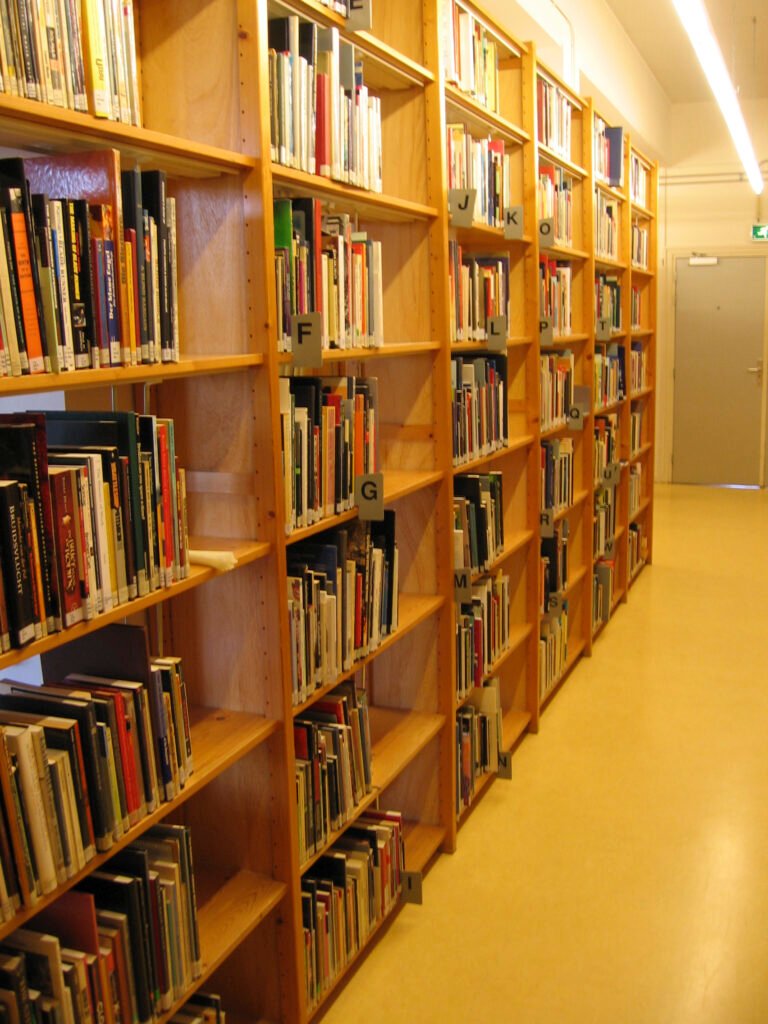
What Collection Development Means
Collection development is the deliberate work of shaping what a library owns or licenses so that its holdings match the needs of the community it serves. A public library branch in a small town and a university research library pursue very different collections, yet both rely on the same underlying discipline: a written policy that states scope, priorities, and limits, paired with ongoing evaluation of what is actually used.
The Core Activities
Selection decisions draw on reviews, patron requests, curriculum needs, and usage data from the existing collection. Acquisition follows, whether through firm orders, approval plans, or standing orders for serials. Over time, librarians also evaluate the collection against benchmarks, comparing holdings to peer institutions or to subject area standards.
Deselection and Weeding
A collection that only grows eventually becomes unusable, crowded with outdated, damaged, or rarely used items. Deselection, often called weeding, removes such material according to documented criteria such as circulation history, physical condition, and currency of information. Done well, weeding keeps shelves inviting and collections relevant rather than simply smaller.
Budget and Format Decisions
Collection development operates under finite budgets that must be allocated across formats including print books, ebooks, streaming media, databases, and physical media such as audiobooks. Librarians weigh cost per use, licensing terms, and patron preference when deciding how to split funds, and many libraries now spend a majority of their materials budget on digital content rather than print.
Policy and Governance Behind Selection
A written collection development policy functions as the practical backbone of this work, spelling out subject priorities, format preferences, and the process for handling requests or challenges to specific materials. Without such a document, selection decisions risk becoming inconsistent or vulnerable to pressure from any single vocal patron or interest group. Many libraries revise their policy every few years to reflect shifting community demographics and new formats entering the market.
Vendor Relationships and Approval Plans
Larger libraries often rely on approval plans negotiated with book vendors, where a profile describing subject interests and budget limits automatically generates shipments of matching new titles for review. This arrangement reduces the staff time needed to track every new release across dozens of subject areas, though librarians still review incoming shipments and can return items that do not fit current needs.
Community Input and Demand
Patron requests, whether submitted informally at a service desk or through a formal purchase suggestion form, feed directly into selection decisions alongside professional review sources. Many public libraries track how often a suggested title circulates after purchase, using that data to refine future selection priorities and demonstrate the value of responsive, demand driven acquisition.
Diversity and Representation in Collections
Contemporary collection development places significant weight on building collections that reflect diverse authors, perspectives, and lived experiences, recognizing that a collection built only from mainstream bestseller lists may underserve parts of the community it exists to reach. Librarians increasingly consult specialized review sources and community advisory input to identify quality titles that general review coverage might otherwise overlook.
Challenges and Contested Materials
Collection development policy plays a central role when a patron formally challenges a specific title as inappropriate, since a documented, consistently applied selection process gives librarians a defensible basis for decisions rather than reacting to pressure on a case by case basis. Professional guidance from library associations generally counsels retaining challenged materials unless a formal reconsideration process, applied evenly, concludes otherwise.
Looking Ahead for Collection Practice
Collection development continues to adapt as streaming media, open access scholarly content, and patron driven acquisition models reshape what counts as a library holding at all, blurring the line between something a library owns outright and something it merely provides temporary licensed access to. Librarians increasingly need skills in licensing negotiation alongside traditional selection judgment as this shift continues.
International Perspectives
Collection development practices vary by national context, shaped by differing copyright regimes, publishing markets, and government support for libraries, though the underlying goal of matching a collection to community need remains broadly consistent across countries. Libraries in smaller language markets often face particular challenges sourcing enough locally relevant content to balance against the volume of material available in dominant world languages.
Practical Guidance for New Librarians
Librarians new to collection development responsibilities benefit from shadowing experienced colleagues through a full budget cycle before taking on independent selection authority, since the rhythm of ordering, evaluating vendor offers, and tracking spend against allocation takes time to internalize beyond what any single training session can convey. Keeping a simple log of selection decisions and the reasoning behind them also builds a useful reference for future policy discussions.
Related Specialties
Collection development connects closely with acquisitions work, cataloging, and the broader field of collection analytics, and many larger libraries split these functions among specialized staff rather than asking one person to handle selection, ordering, and evaluation alone.
Open access publishing models and institutional repositories have also begun shifting collection development priorities within academic libraries specifically, as some scholarly content becomes freely available outside traditional paid subscription channels, prompting librarians to reassess which licensed resources still justify their cost against this growing body of freely accessible research.
Collection analytics software now lets librarians visualize circulation trends across subject categories over multiple years, making it easier to spot a slow decline in a once popular subject area before the shelf itself becomes visibly outdated and underused.
A final, often overlooked part of collection stewardship involves preservation decisions for aging physical materials, weighing the cost of rebinding or digitizing a fragile item against simply replacing it with a newer edition where one exists.
Key facts
- Array
Quick checkHow does collection development differ from simple book buying?Show answer
Collection development is a planned, policy guided process that considers community needs, budget, and long term balance, rather than ad hoc purchases of individual titles.
Sources
- Array
Editorially reviewed by Specialty Digest Editorial TeamLast reviewed November 3, 2026Researched and drafted with AI assistanceReport an issue