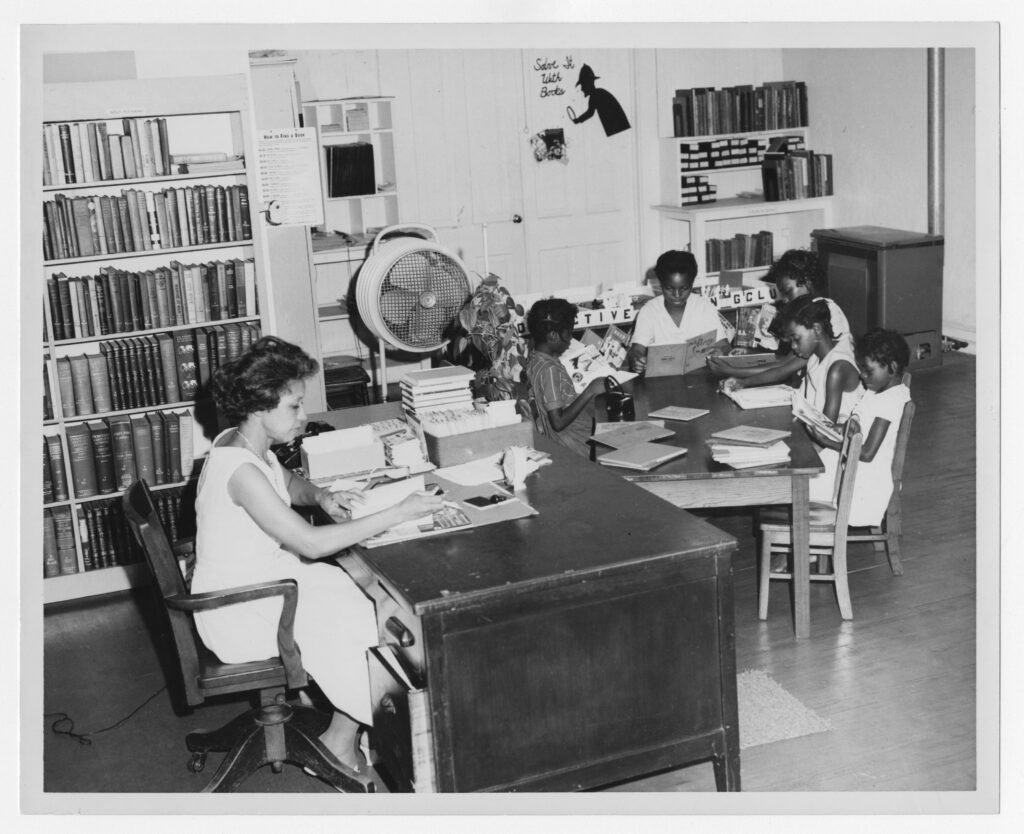
Helping Patrons Find Answers
Reference services describe the direct assistance librarians give patrons who are searching for information, whether that means a quick fact check, help locating a specific book, or guidance through a semester long research project. The service sits at the point where a patron question meets the library collection and the librarian expertise needed to connect the two.
The Reference Interview
Skilled reference work begins with listening. A patron who asks for books about the Civil War might actually need sources for a school essay on a narrow battle, or might want a casual overview for personal interest. The reference interview is the structured but conversational process of asking follow up questions until the real need becomes clear, since answering the literal first question can waste time on both sides.
Channels and Formats
Reference service was once delivered almost entirely at a physical desk, but now spans phone calls, live chat widgets on a library website, email, text messaging, and video consultations. Many academic libraries staff a chat reference service around the clock through cooperative networks that pool librarians from multiple institutions.
Readiness and Training
Reference librarians maintain broad familiarity with a library collection and licensed databases, along with search strategies for navigating them efficiently. Tiered reference models route simple directional questions to staff with less specialized training, while complex research consultations go to subject specialist librarians who understand a particular discipline in depth.
Specialized Reference Collections
Many libraries maintain reference materials distinct from the general lending collection, including encyclopedias, almanacs, legal and medical reference sets, and local history archives that patrons consult on site rather than check out. Academic libraries extend this further with subject liaison librarians assigned to specific departments, building deep expertise in disciplines ranging from chemistry to art history.
Technology and Research Tools
Reference work increasingly involves teaching patrons to navigate licensed databases, citation managers, and discovery layers that search across a library catalog and subscription content simultaneously. A reference librarian today needs fluency with dozens of specialized search interfaces in addition to traditional print reference sources that remain valuable for certain kinds of lookups.
Measuring Reference Service
Libraries track reference transactions through statistics on question volume, complexity, and channel, data that helps justify staffing levels and identify gaps in service hours. Some institutions have shifted toward measuring outcomes, such as whether a patron successfully completed their research task, rather than counting raw transaction numbers alone.
Reference Service in Specialized Settings
Medical libraries, law libraries, and corporate research centers apply reference principles within highly specialized contexts, often requiring subject expertise that goes well beyond general library training, such as familiarity with legal citation systems or clinical database search techniques. These specialized reference environments frequently serve a narrower, more expert user base than a general public library reference desk.
Balancing Access and Expertise
A long standing tension in reference work involves how much independence to encourage versus how directly to provide an answer, since overly directive help can leave patrons unable to repeat a search strategy themselves, while an overly hands off approach can frustrate patrons who simply need a quick answer. Reference librarians develop judgment about which approach fits a given situation and a given patron.
Looking Ahead for Reference Work
Artificial intelligence powered search tools and chatbots are reshaping expectations for instant answers, pushing reference services to clarify where human expertise adds distinct value beyond what an automated tool can provide, particularly around evaluating source credibility and handling nuanced or sensitive questions. Many libraries are experimenting with how to integrate such tools without replacing the judgment a trained reference librarian brings.
International Perspectives on Reference
Reference service models vary internationally, with some countries emphasizing centralized national reference call centers while others maintain the decentralized, locally staffed model common in the United States, reflecting differences in library funding structures and population density across regions.
Practical Guidance for Reference Staff
New reference staff often benefit from a structured shadowing period at the desk before working independently, paired with a running list of commonly asked questions and the best sources for answering them, since much of reference expertise comes from accumulated familiarity with a specific library collection and patron base rather than generic training alone.
Related Specialties
Reference work overlaps closely with information literacy instruction and readers advisory, and many librarians move fluidly between these related functions depending on what a given patron interaction requires at any given moment.
Reference desk staffing levels themselves have become a point of ongoing strategic discussion, as some libraries shift from a continuously staffed desk toward on call or roving models where staff circulate through public areas rather than waiting at a fixed point, a change driven partly by declining walk up question volume at many locations.
Reference statistics gathered consistently over several years also help a library demonstrate return on investment to funders, translating abstract service value into concrete numbers that a budget committee can weigh against the cost of maintaining dedicated reference staff positions.
Cross training reference staff across multiple subject areas also builds institutional resilience, ensuring that a single staff absence or departure does not leave an entire subject area without anyone able to field detailed patron questions competently.
Reference transactions involving sensitive topics, such as a patron researching a legal or medical concern, call for particular discretion and a non judgmental tone, since patrons may feel vulnerable raising such questions even to a trusted librarian.
A well maintained internal knowledge base of past reference questions and their answers speeds up handling of recurring question types across a reference team.
Key facts
- Array
Quick checkWhat is a reference interview?Show answer
A reference interview is the conversation a librarian has with a patron to clarify the real question behind an initial request, since the first phrasing of a question often does not capture what the patron truly needs.
Sources
- Array
Editorially reviewed by Specialty Digest Editorial TeamLast reviewed November 3, 2026Researched and drafted with AI assistanceReport an issue