Specialty Digest

DISCOVER IDEAS THAT SHAPE OUR WORLD

Format

Explainer

The latest Specialty Digest coverage in Explainer.

Explainer

Leadership
Coworkers collaborating in a business meeting, representing the difference between managing by authority and leading by trust.

What Actually Separates a Boss From a Leader?

Both sit at the head of the org chart. Only one gets people to do their best work when nobody is watching. The difference between a boss and a leader is not a title or a personality type — it shows up in a handful of concrete, observable behaviors that research on workplace management keeps […]


What Actually Separates a Boss From a Leader? Read More »

Both sit at the top of the org chart. Only one earns cooperation instead of demanding it. Here are the concrete behaviors that actually separate the two.

Entrepreneurship
A team reviewing customer feedback and sticky notes while validating an early business idea.

How Do You Validate a Business Idea Before You Build It?

Most failed startups do not fail because the founders could not build the product. They fail because nobody actually wanted it, and that fact did not surface until real money and months of work were already gone. Validating an idea before you build it is not a formality — it is the cheapest insurance a

How Do You Validate a Business Idea Before You Build It? Read More »

Most startups do not fail on execution — they fail because nobody wanted it. Here is how to find that out before you spend months building.

Education
The United States Capitol building at sunrise, where Congress certifies the Electoral College count.

How Does the Electoral College Actually Work?

American presidential elections are not decided by a single national popular vote — they are decided by 538 electors spread across 50 states and Washington, D.C., and whoever wins a majority of them wins the presidency. It is a system most people have heard of and few can actually explain, largely because it works nothing

How Does the Electoral College Actually Work? Read More »

538 electors, a 270-vote majority, and a winner-take-all system in 48 states. Here is the mechanics behind how the U.S. actually picks a president.

Society
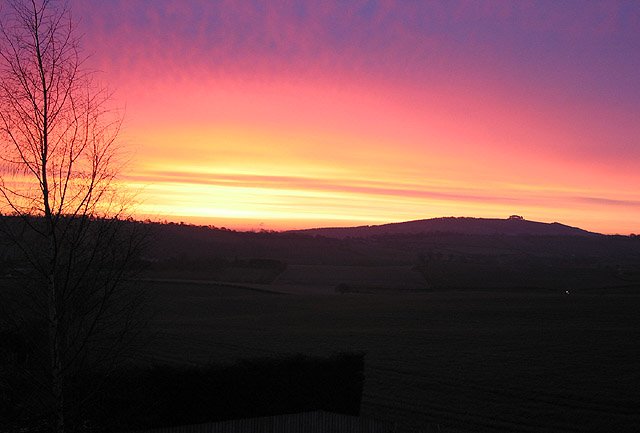
A sunrise, representing Earth's orbit around the sun and the fraction of a day that leap years correct for.

Why Do We Have Leap Years?

Once every four years, the calendar hands out a free day — February 29 — and most people accept it without asking why. The real reason is that Earth is bad at keeping round numbers: it does not take an even 365 days to circle the sun, and the leap year is a 2,000-year-old fix

Why Do We Have Leap Years? Read More »

Earth takes about 365.2422 days to orbit the sun, not an even 365. Leap years are a 2,000-year-old running fix for that fraction — and the math behind it is more precise than most people realize.

History
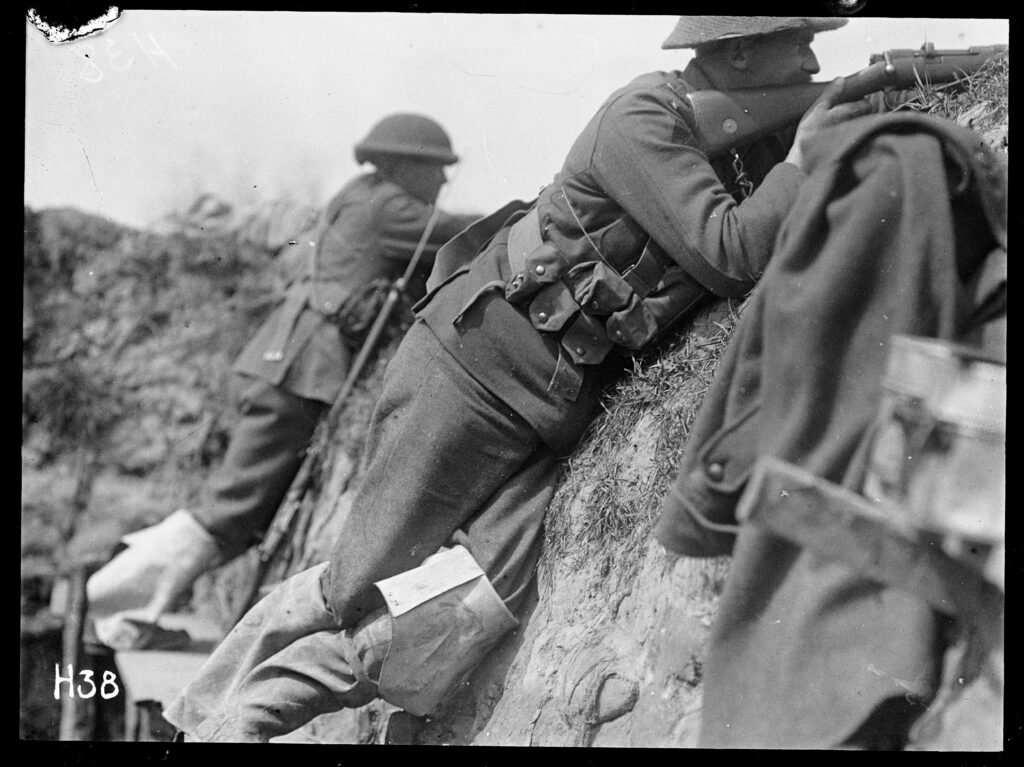
New Zealand troops in a World War I trench, photographed in May 1917.

What Actually Caused World War I?

The textbook shorthand is that a single assassination started World War I. That is true in the narrowest sense and misleading in every other one. The killing of one man in Sarajevo lit the fuse, but the explosives had been stacked up for decades — in arms races, treaty obligations, colonial rivalries and national grudges

What Actually Caused World War I? Read More »

One assassination lit the fuse in Sarajevo. Decades of arms races, treaty obligations and colonial rivalry are why the whole continent went up with it.

Nature
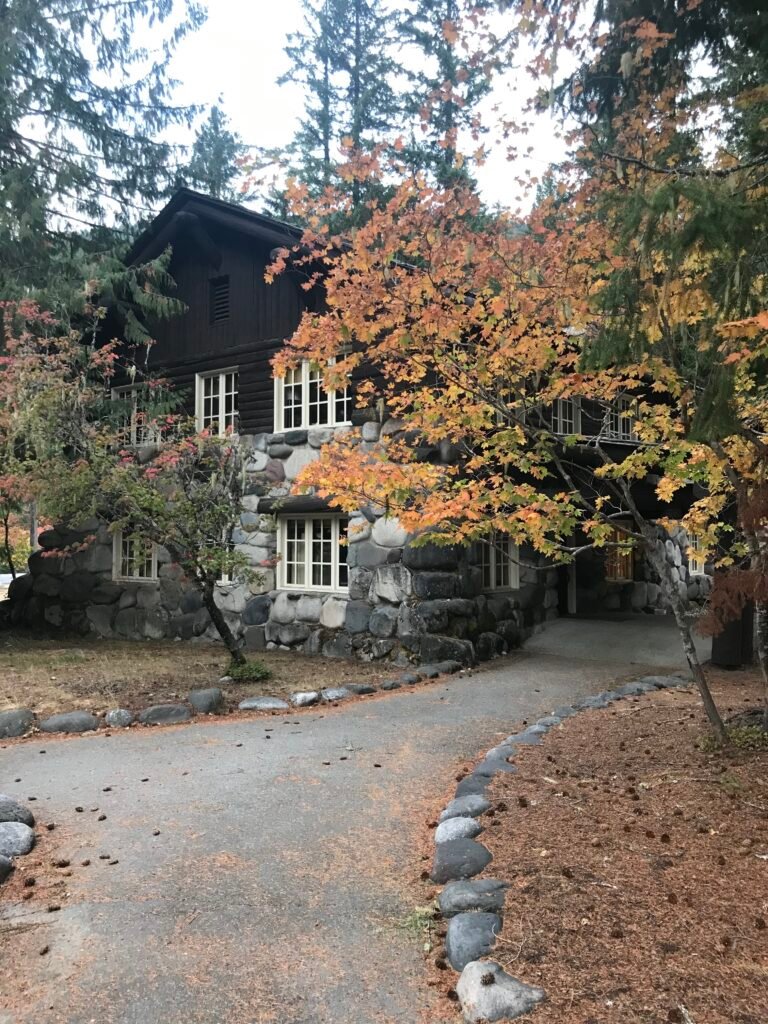
Vine maple leaves turning bright red and orange in autumn, National Park Service photo.

Why Do Leaves Change Color in Autumn?

Every autumn, the same question resurfaces along with the color: how does a tree know to turn its leaves red, orange and gold, seemingly overnight? The answer is not overnight at all — it is a slow unmasking. Those colors were in the leaf the whole summer. Green was just loud enough to hide them.

Why Do Leaves Change Color in Autumn? Read More »

Fall colors were never a new pigment appearing — they were there all summer, hidden under green. Here is the chemistry behind autumn's reds, oranges and golds.

Business
A person working through a household budget with a calculator, pen and notebook.

How Do You Build a Personal Budget That Actually Works?

Ask ten people how to build a personal budget and you will get ten different spreadsheets. But behind most of the advice that actually sticks is one simple framework: the 50/30/20 rule, which splits your after-tax income into needs, wants and savings. It will not fit everyone perfectly, but it is the fastest way to

How Do You Build a Personal Budget That Actually Works? Read More »

The 50/30/20 rule turns "where does my money go" into an actual plan: needs, wants and savings, in that order. Here is how to set it up and make it stick.

Technology
A home Wi-Fi router with antennas extended, broadcasting a wireless network using radio waves.

How Does Wi-Fi Actually Work?

Wi-Fi feels like magic — open a laptop anywhere in the house and the internet is just there, no cable in sight. The mechanism behind it, though, is not much different from a walkie-talkie: it is radio, tuned to frequencies too high for any radio dial, carrying data instead of voices. It Starts With a

How Does Wi-Fi Actually Work? Read More »

No cable in sight, yet the internet is just there. Here is the radio-wave mechanism connecting your devices to the router in under a second.

Health
A bedside alarm clock in a dimly lit bedroom, representing healthy sleep and wake schedules.

How Much Sleep Do Adults Actually Need?

It is one of the most searched health questions there is, and the short answer is simpler than the wellness industry makes it sound: most adults need at least seven hours of sleep a night. Not eight exactly, not a personal biohacked number — seven or more, according to both the U.S. Centers for Disease

How Much Sleep Do Adults Actually Need? Read More »

The CDC and the National Sleep Foundation agree on a floor for adults: seven or more hours a night. Here is what changes that number, and what happens when you miss it.

Science
A clear, deep blue sky photographed on a sunny day, illustrating the Rayleigh scattering that gives the sky its color.

Why Is the Sky Blue?

Look up on a clear afternoon and the color seems almost too obvious to question. But sunlight itself isn’t blue — it’s white, a mix of every color in the rainbow. The blue sky isn’t a property of the sun. It’s something Earth’s atmosphere does to sunlight on its way down to you. Sunlight Is

Why Is the Sky Blue? Read More »

Sunlight is white. The sky is blue. Here is the physics behind the gap — and why sunsets swing to red and orange.