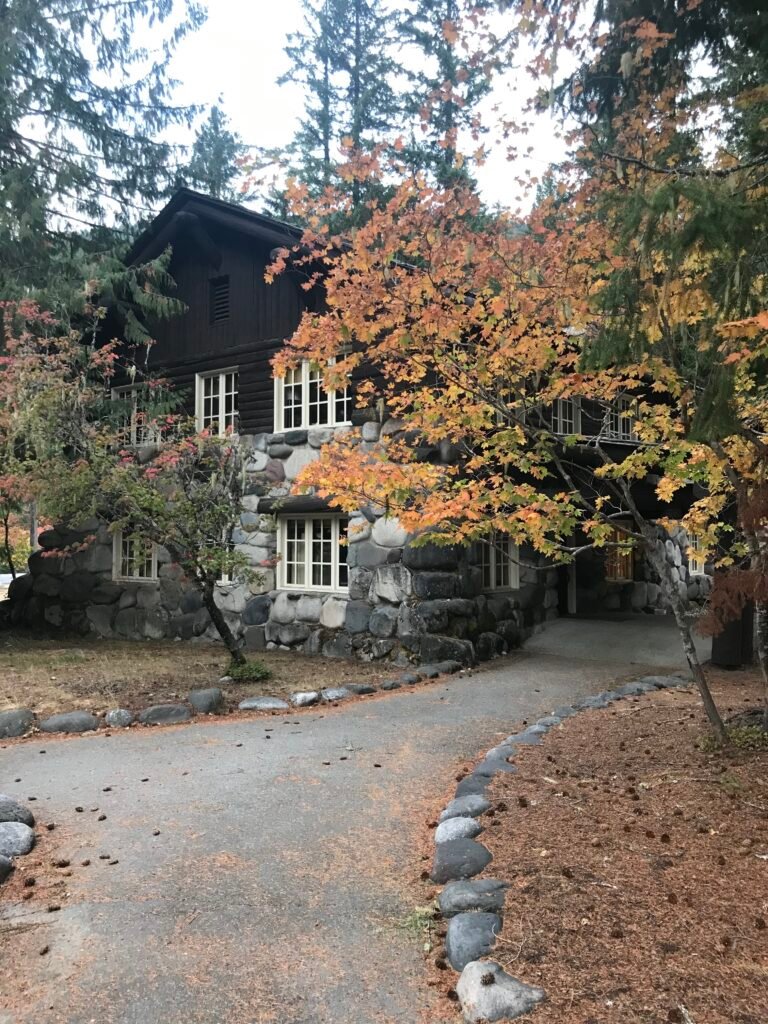
Leaves change color in autumn because the green pigment that dominates them all summer, chlorophyll, breaks down faster than trees replace it once daylight fades, unmasking yellow and orange pigments that were there the whole time while a separate red pigment gets made fresh in the process. Nothing about the display is sudden; it’s the visible endpoint of a shutdown that starts weeks earlier.
Green Was Hiding Other Colors All Along
Through spring and summer, leaves are packed with chlorophyll, the pigment that captures sunlight and converts it into the sugars a tree runs on to grow and store energy. Chlorophyll absorbs red and blue light and reflects green, which is why healthy leaves look green. It isn’t the only pigment inside a leaf, though, just the loudest one: carotenoids, the pigments behind yellow and orange color, are present from spring onward, doing minor supporting work in photosynthesis while getting completely overwhelmed by all that green.
Why Shorter Days Trigger the Shutdown
As daylight hours shrink in fall, trees wind down chlorophyll production, and cooler temperatures reinforce the signal. Without fresh chlorophyll replacing what naturally breaks down, the green fades — and for the first time all year, the carotenoids underneath show through as yellow and orange.
Red and purple leaves work differently. Anthocyanins, the pigments behind those colors, aren’t sitting in the leaf waiting to be revealed; they’re manufactured fresh in autumn, when sugars get trapped in a leaf as its connection to the branch starts closing off and react with sunlight to form the pigment. That’s a big part of why red foliage varies so much from year to year: it depends on that specific autumn’s weather, not just which species a tree happens to be.
Why Some Autumns Are More Vivid Than Others
The most brilliant color shows come from a specific combination: warm, sunny days paired with cool nights that stay above freezing. That mix lets leaves keep producing sugar during the day while slowing its escape at night, which favors strong anthocyanin production. A drought dulls the display, an early hard freeze can kill color production before it starts, and a mild, wet fall can simply delay the whole process. The palette of any given October is really a running record of that season’s weather, not a fixed schedule the tree follows every year.
Why the Leaves Fall At All
The color change and the leaf drop are part of the same survival strategy, not two separate events. Once the ground freezes, a tree’s roots can no longer pull up water, and a leaf’s thin, exposed surface becomes a liability that loses moisture and risks damage from snow. Trees seal off each leaf at its stem with a layer of cells called the abscission layer, cutting it loose before winter arrives, then enter dormancy until spring restarts the whole cycle again.