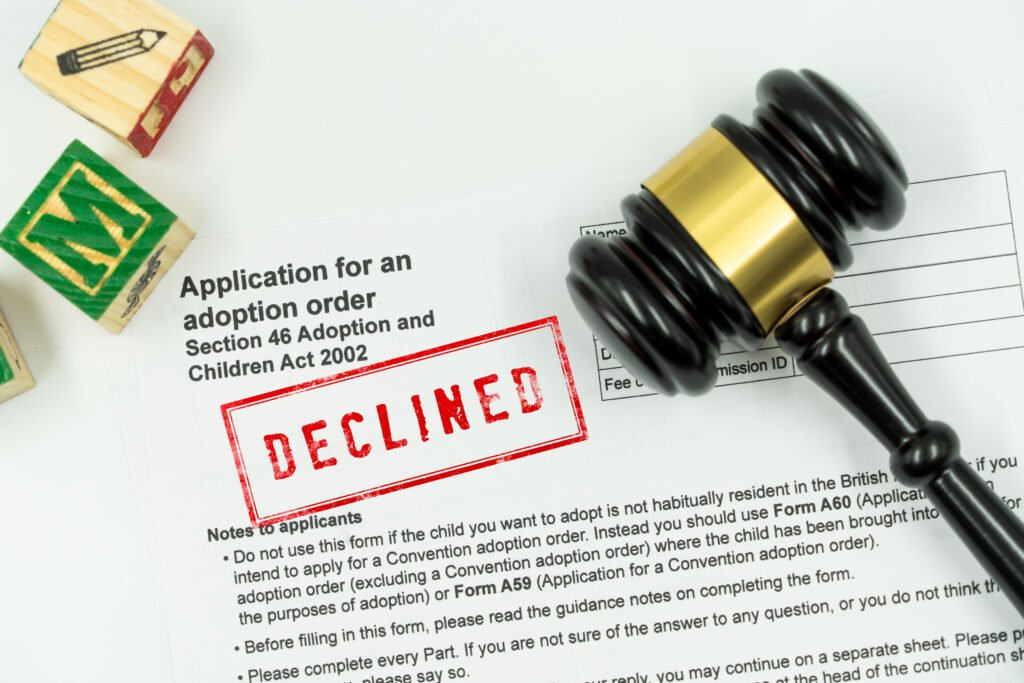
Adoption is the legal process through which parental rights and responsibilities for a child are permanently transferred to new parents, creating a parent-child relationship that carries the same legal weight as a biological one. Adoption can occur through several distinct pathways, each with its own procedures and timeline.
Pathways to Adoption
Many adoptions in the United States happen through the public foster care system, when children whose parents have had their rights terminated become legally available for adoption, often by a relative or their existing foster family. Private domestic adoption typically involves an expectant parent choosing adoptive parents for a newborn, arranged through an agency or attorney. International adoption involves adopting a child from another country, a pathway that has become less common as more countries have developed domestic care options.
The Finalization Process
Regardless of pathway, adoption becomes legally permanent only after a court finalizes it, typically following a period during which the child lives with the prospective adoptive family and a caseworker monitors the placement. At finalization, a new birth certificate is usually issued listing the adoptive parents, and the child gains full legal inheritance and other rights within the new family.
Post-Adoption Support
Many adoptive families, especially those who adopted from foster care, continue to need support well after finalization. Children adopted from foster care often carry histories of trauma, and specialized post-adoption services such as therapy, support groups, and subsidies help families manage challenges that can surface months or years after an adoption is finalized. States that fund robust post-adoption services tend to see fewer adoption disruptions.
Open and Closed Adoption
Adoptions vary in how much ongoing contact exists between a child and their birth family. A fully closed adoption involves no contact and often sealed records, while an open adoption may include letters, photos, visits, or an ongoing relationship negotiated between birth and adoptive parents. Attitudes and legal norms have shifted substantially toward openness over recent decades, driven partly by research suggesting many adopted children benefit from maintaining some connection to their origins.
The Home Study Process
Before a family can adopt, most pathways require a home study, an assessment conducted by a licensed social worker that evaluates a prospective familys readiness, including interviews, background checks, home safety checks, and often training on topics such as attachment and trauma. The home study serves both to protect the child and to help prepare the family for the realities of parenting a child who may have a complex history.
International and Transracial Considerations
Adoptions that cross national or racial lines raise additional considerations beyond the standard adoption process. International adoption has declined substantially in recent decades as sending countries have developed their own domestic child welfare systems and tightened eligibility rules. Transracial adoption, whether domestic or international, has prompted ongoing discussion within the child welfare field about how adoptive families can support a childs racial and cultural identity.
Adoption Subsidies
Many children adopted from foster care, particularly those with documented special needs, qualify for an ongoing adoption subsidy intended to help cover costs associated with their care, along with continued access to Medicaid coverage. These subsidies are designed to remove a financial barrier that might otherwise discourage a family, including a childs own foster family, from pursuing adoption.
Birth Parent Rights and Consent
Adoption generally requires either voluntary relinquishment of parental rights by a birth parent or involuntary termination through a court process following a finding that reunification is not possible. Laws governing the timeline and conditions for a birth parent to revoke consent vary by state, reflecting an effort to balance a birth parents right to a considered decision against a childs need for timely permanency.
Role of Adoption Agencies and Attorneys
Private domestic and international adoptions typically involve either a licensed adoption agency or an adoption attorney who guides a family through legal requirements, home study coordination, and, in domestic infant adoption, matching with an expectant parent. Fees for private adoption vary widely and have drawn criticism from some advocates concerned that cost can create inequitable access to this pathway compared to adopting through the public foster care system, which typically involves little to no cost to the adoptive family.
Legal Risk Placements
A legal risk placement occurs when a child is placed with a prospective adoptive family before parental rights have been formally terminated, meaning there remains some possibility, however small, that the child could ultimately return to a parent rather than proceed to adoption. Agencies must carefully explain this risk to prospective families, since the emotional difficulty of a legal risk placement that does not lead to finalized adoption can be significant for everyone involved.
Agencies that communicate clearly and set realistic expectations about legal risk from the outset tend to see stronger long-term outcomes for the families who proceed with these placements despite the uncertainty involved.
Adoption Disruption and Dissolution
In a small share of cases, an adoption placement ends before finalization, known as disruption, or a finalized adoption later ends through a legal process, known as dissolution, most often when a familys needs exceed the support available to sustain the placement. Research into disruption and dissolution has pushed agencies to strengthen pre-adoption preparation and post-adoption support, recognizing that both phases shape whether a placement ultimately succeeds.
Agencies that track and study disruption and dissolution rates, rather than treating every finalized placement as a permanent success regardless of what happens afterward, are better positioned to identify where additional support is most needed.
Overall, a well-supported adoption, whether finalized through foster care, private domestic placement, or international channels, depends on preparation and follow-through from everyone involved, not just the legal moment of finalization itself.
Key facts
- Array
In the news
Quick checkWhat legal change does adoption create?Show answer
It permanently transfers parental rights and responsibilities for a child to the adoptive parents.
Sources
- Array
Editorially reviewed by Specialty Digest Editorial TeamLast reviewed November 4, 2026Researched and drafted with AI assistanceReport an issue