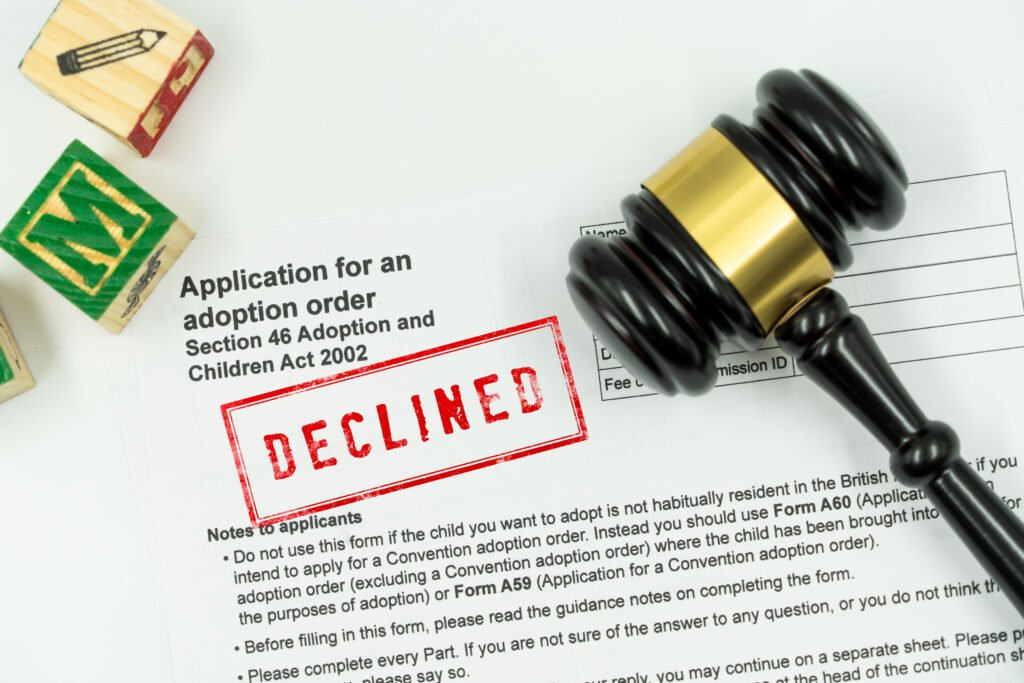
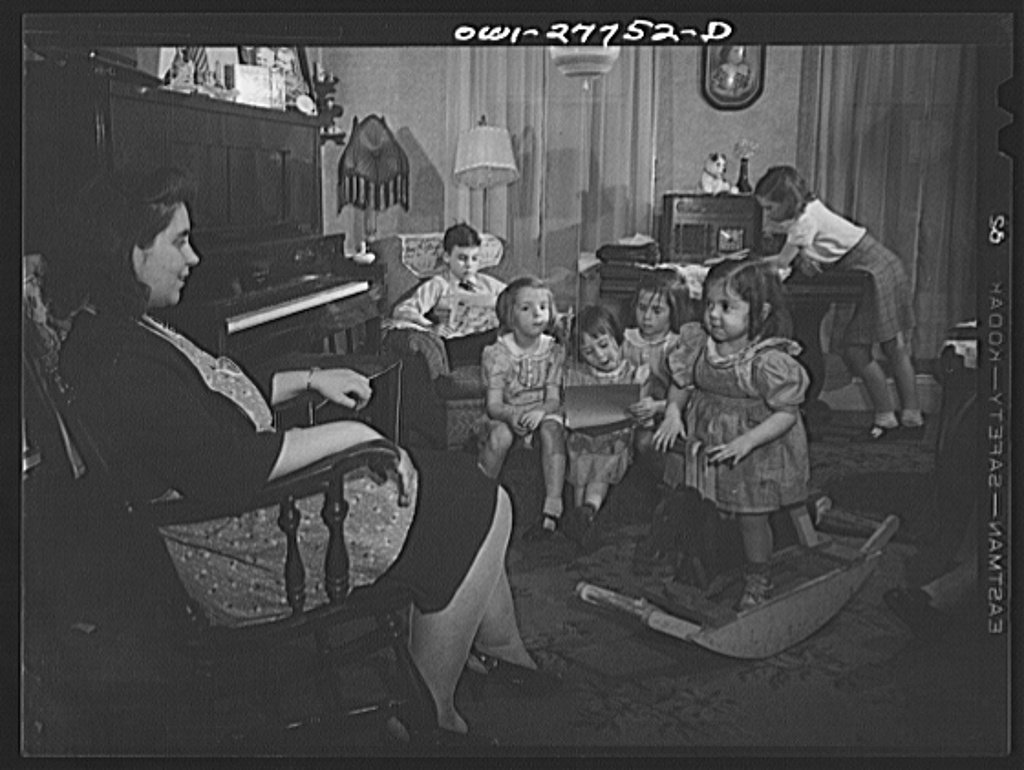
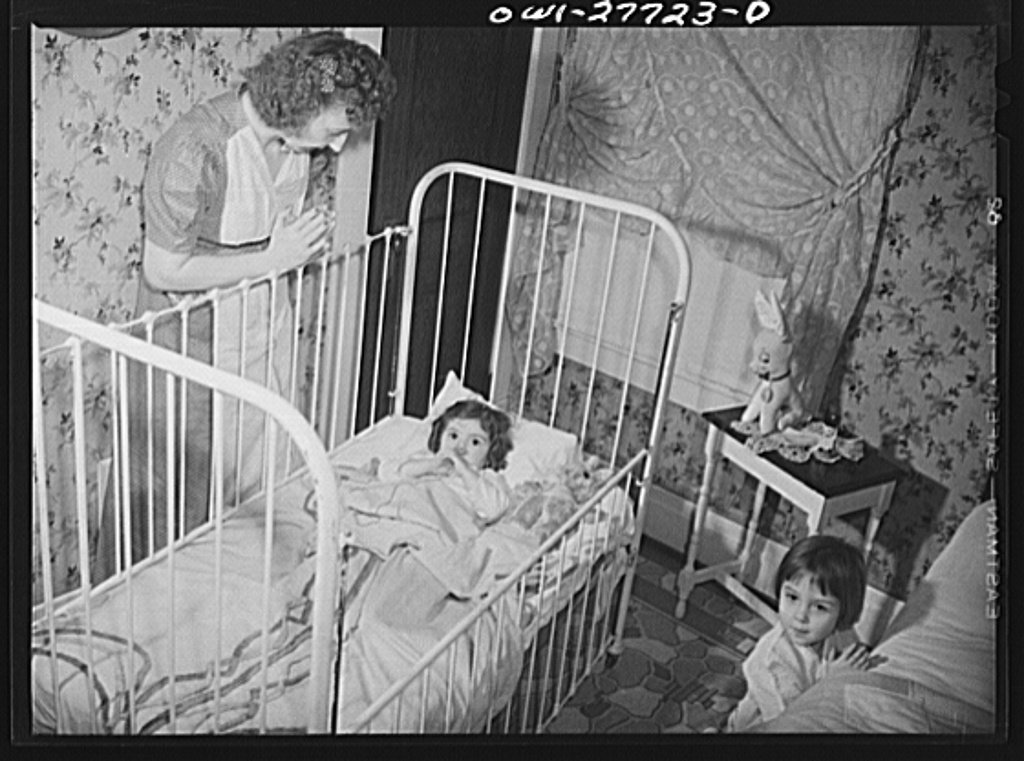
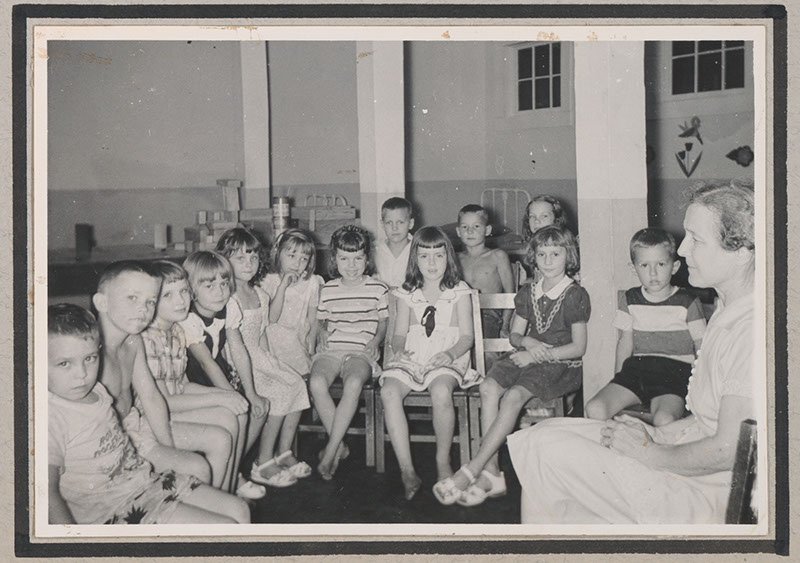
Adoption is the legal process through which parental rights and responsibilities for a child are permanently transferred to new parents, creating a parent-child relationship that carries the same legal weight as a biological one. Adoption can occur through several distinct pathways, each with its own procedures and timeline. Pathways to Adoption Many adoptions in the
Adoption Read More »
The legal process that permanently transfers parental rights and responsibilities for a child to new parents.
Child abuse and neglect describes harm or the risk of harm to a child caused by a parent or caregiver. The federal Child Abuse Prevention and Treatment Act sets minimum definitions that every state must incorporate into its own law, though states vary in how specifically they define thresholds for intervention. Categories of Maltreatment Physical
Child Abuse and Neglect Read More »
Harm or the risk of harm to a child caused by a parent or caregiver, including physical, sexual, and emotional abuse and the failure to provide for basic needs.
Child Protective Services is the government agency function responsible for receiving, investigating, and responding to reports that a child may be experiencing abuse or neglect. Every state in the United States operates some version of this system, usually housed within a larger health or human services department, though the exact name and structure differ from
Child Protective Services Read More »
The government agency function responsible for investigating reports of child abuse or neglect and intervening to protect children.
Child welfare policy is the body of federal and state law, regulation, and funding structure that governs how child protection and foster care systems operate. While day-to-day casework happens at the state and county level, a handful of federal laws set the framework every state system must follow. Major Federal Laws The Social Security Act
Child Welfare Policy Read More »
The body of federal and state law and funding structures that govern how child protection and foster care systems operate.
Family preservation is a child welfare approach built on the idea that most children are best served by staying in their own home when it can be made safe, rather than being removed into foster care. Agencies that emphasize family preservation offer intensive, time-limited services aimed at resolving the specific conditions that triggered a safety
Family Preservation Read More »
A child welfare approach that provides intensive support services to keep children safely in their own homes rather than removing them.
Family reunification is the process of safely returning a child in foster care to the parent or caregiver from whom they were removed, and it remains the most common permanency outcome nationally for children who enter foster care. Reunification becomes possible once a parent has addressed the specific safety concerns documented at the time of
Family Reunification Read More »
The process of safely returning a child in foster care to the parent or caregiver from whom they were removed.
Foster care is a system of temporary substitute care for children removed from their own homes because a court or agency has determined the home is unsafe. Children in foster care may live with relatives, with unrelated foster families, or in a group or residential setting, depending on their needs and what is available in
Foster Care Read More »
A system of temporary substitute care for children who cannot safely remain in their own home.
Kinship care is the placement of a child with a relative or a close family friend when the child cannot safely remain with a parent. Federal law and most state statutes require agencies to consider relatives first before placing a child with an unrelated foster family, reflecting a policy preference for keeping children connected to
Kinship Care Read More »
The placement of a child with a relative or close family friend rather than an unrelated foster family when a child cannot stay with their parents.
Mandated reporting is a legal requirement that certain professionals report suspected child abuse or neglect to authorities, usually a state child abuse hotline or local Child Protective Services office. Every state designates specific categories of mandated reporters, most commonly including teachers, school staff, doctors, nurses, mental health professionals, and childcare workers, with many states also
Mandated Reporting Read More »
A legal requirement for certain professionals to report suspected child abuse or neglect to authorities.
Residential treatment for youth is a structured, round-the-clock care setting designed for children with significant behavioral or mental health needs that cannot be adequately addressed in a family-based foster placement. These facilities combine clinical treatment, such as individual and group therapy, with daily living support and, often, an on-site educational program. When This Setting Is
Residential Treatment for Youth Read More »
A structured, round-the-clock care setting for children with significant behavioral or mental health needs that cannot be met in a family-based placement.