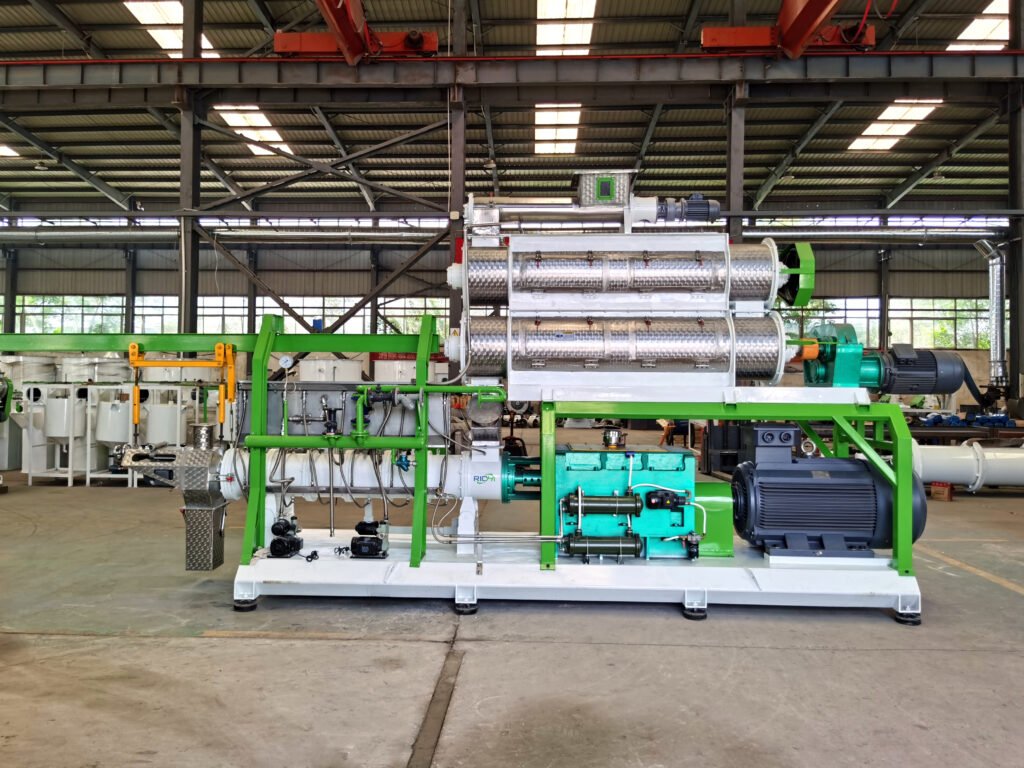
Aquaculture feed is manufactured nutrition formulated specifically for farmed fish, shrimp, and other aquatic animals, designed to supply the protein, fat, vitamins, and minerals each species needs at different life stages. Feed typically represents the largest single operating cost in most fish and shrimp farming, making its formulation and efficiency a central concern across the aquaculture industry.
Traditional Ingredients
Historically, aquaculture feed relied heavily on fish meal and fish oil derived from wild-caught small pelagic fish such as anchovies and sardines, since these ingredients closely match the natural protein and fatty acid profile that carnivorous farmed species like salmon evolved to consume. This dependence created a notable sustainability tension, since farming predatory fish efficiently seemed to require catching large volumes of wild fish to produce the feed.
Shift Toward Alternative Ingredients
Feed manufacturers have steadily increased the use of plant-based proteins such as soybean and canola meal, along with newer ingredients including insect meal, single-cell proteins grown through fermentation, and algae-derived oils that can supply the same key fatty acids as fish oil without requiring wild fish as an input. These substitutions have measurably reduced the amount of wild fish needed to produce a given quantity of farmed fish compared with feed formulations common just two decades ago.
Species-Specific Formulation
Carnivorous species like salmon require higher protein and fat content than omnivorous species like tilapia or herbivorous species like certain carp, so feed manufacturers produce distinct formulations tailored to each major farmed species and its particular life stage. Juvenile fish typically require smaller feed particles and higher protein concentrations than larger fish approaching market size, requiring a progression of different feed products across a single production cycle.
Feed Conversion Efficiency
The feed conversion ratio, measuring how much feed is required to produce a unit of fish growth, has improved substantially through better feed formulation and farm management, with modern salmon farming achieving notably efficient ratios compared with many forms of land-based livestock production. Improving this efficiency further remains a major research focus, since it directly affects both farm profitability and the overall resource footprint of aquaculture production.
Economic and Supply Chain Importance
Global demand for aquaculture feed has grown alongside the broader expansion of fish farming, supporting a substantial feed manufacturing industry and creating economic links between aquaculture and agricultural commodity markets that supply plant-based feed ingredients. Feed price volatility, often tied to broader agricultural commodity and fish meal markets, can significantly affect the profitability of fish and shrimp farms around the world.
Research and Development Focus
Significant ongoing research targets improving digestibility, reducing waste from uneaten feed, and developing precise feeding systems that match delivery to fish appetite in real time, since overfeeding both wastes money and can degrade water quality in farm systems. Universities, feed companies, and government research institutions collaborate closely on this work given its direct impact on both aquaculture profitability and environmental sustainability.
Certification and Sourcing Standards
Several sustainability certification programs for farmed seafood include specific standards for feed ingredient sourcing, requiring traceable, responsibly sourced fish meal and fish oil, or verified alternative ingredients, as part of their broader certification criteria. These standards have given feed sourcing decisions direct market relevance, since farms seeking certification must demonstrate their feed meets recognized sustainability benchmarks.
Cost Volatility Impacts
Because feed represents such a large share of total production costs, sudden price increases in key ingredients, whether from poor harvests of feed crops or disruptions to fish meal supply, can quickly squeeze farm profitability and sometimes force short-term adjustments to stocking plans. This sensitivity has pushed many larger aquaculture companies to invest directly in feed ingredient research and even in-house feed production to gain more control over this critical input.
Looking Ahead
Aquaculture feed is under pressure from two directions at once: rising demand as fish and shrimp farming expand, and tightening scrutiny of the marine ingredients that feeds have traditionally relied on. Fishmeal and fish oil, long the backbone of high-performance diets, are finite resources tied to wild forage fish stocks, so feed companies are investing heavily in alternatives such as insect meal, single-cell proteins grown by fermentation, algae-based oils, and processed plant proteins. Precision nutrition is also advancing, with formulations increasingly tailored to species, life stage, and even water temperature to minimize waste and improve feed conversion. Regulatory attention to antibiotic and chemical use in feed is pushing further innovation in immune-supporting additives and gut health ingredients as farms look for ways to reduce disease pressure without relying on medicated feed.
Related Specialties
Aquaculture feed draws directly on work in animal nutrition and ingredient science, since many of the same protein and oil sources are evaluated across livestock, poultry, and aquaculture markets. It is closely tied to fish farming operations, where feed typically represents the largest single input cost and directly shapes growth rates and product quality. Feed formulation also connects to environmental science, since the ingredients chosen affect both the farm sustainability profile and the nutrient load released into surrounding waters.
Economic Considerations
Aquaculture feed typically represents the single largest operating cost on most fish and shrimp farms, often accounting for well over half of total production expenses, which gives feed formulation and sourcing an outsized influence on overall farm profitability. Feed prices are closely tied to global commodity markets for fishmeal, soybean meal, and other protein and oil ingredients, meaning farm economics can shift significantly with swings in agricultural and fisheries markets far removed from the farm itself. Larger feed manufacturers benefit from economies of scale in both purchasing raw ingredients and running production facilities, which has driven consolidation in the feed industry even as farms themselves remain highly fragmented across many small and mid-sized operations worldwide.
Key facts
- Typically the largest single operating cost in aquaculture.|Traditionally relied on wild-caught fish meal and fish oil.|Increasingly uses plant, insect, and algae-based alternatives.|Feed conversion efficiency is a major ongoing research focus.
Quick checkWhy has aquaculture feed shifted away from relying mainly on wild-caught fish?Show answer
Relying heavily on wild fish for feed created sustainability concerns, so manufacturers have increasingly adopted plant, insect, and algae-based alternatives to reduce that dependence.
Sources
- FAO Fisheries and Aquaculture Department
Editorially reviewed by Specialty Digest Editorial TeamLast reviewed November 3, 2026Researched and drafted with AI assistanceReport an issue