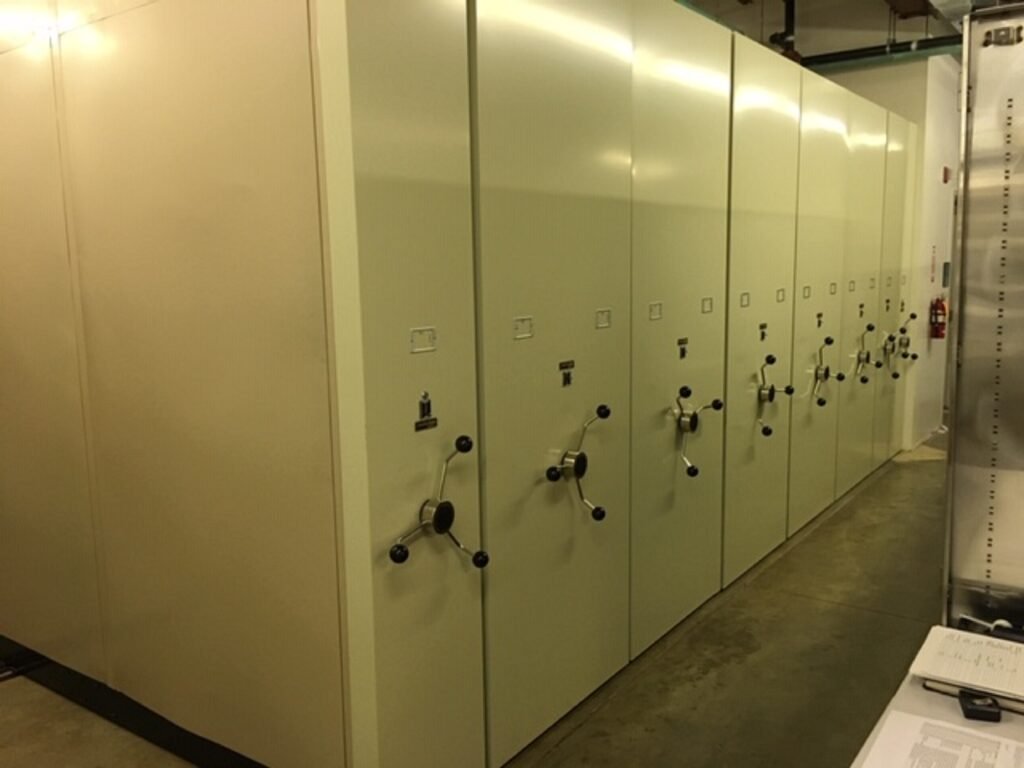
Turning Raw Records Into a Usable Collection
Archival arrangement and description together make up the core processing work that transforms a newly received, often disorganized accession of records into an organized collection that researchers can actually use. Arrangement establishes structure, while description explains that structure and its contents to anyone who was not present when the collection first arrived.
The Arrangement Process
Arrangement typically organizes records hierarchically, grouping related material into series based on function or record type, then into folders within each series, following the governing principles of provenance and original order wherever a meaningful original sequence exists. This structural work makes the physical or digital collection navigable in the first place.
The Description Process
Description captures what arrangement alone cannot convey, including biographical context about the creator, a narrative summary of the collection scope and content, and detailed metadata at the series and folder level, all typically compiled into a finding aid that becomes the primary access tool for researchers approaching the collection.
Processing Backlogs
Many archives accumulate significant backlogs of unprocessed accessions, since thorough arrangement and description takes considerable staff time that often cannot keep pace with incoming material, prompting many institutions to adopt more efficient processing approaches that provide basic access sooner rather than achieving exhaustive description before any access is permitted.
Related Specialties
Arrangement and description connects closely with finding aid creation and metadata standards, since the output of processing work is precisely the structured information that populates a finding aid.
Looking Ahead for Processing Practice
More to less processing approaches, which apply a lighter initial level of description to make material accessible quickly and reserve detailed description for collections proving to be in highest demand, have gained significant traction as a practical response to persistent backlogs.
International Perspectives on Processing Standards
Descriptive standards such as the General International Standard Archival Description have been developed specifically to allow finding aids created under different national traditions to remain comparable and interoperable, supporting international research that increasingly spans collections held across multiple countries.
Practical Guidance for Processing Teams
Teams processing a large or complex collection benefit from establishing clear, written processing decisions early, including the specific series structure and description depth planned, since inconsistent decisions made piecemeal by different processors working on the same collection over time create confusing, uneven results.
Processing Priority Setting
Institutions facing substantial processing backlogs benefit from establishing clear criteria for prioritizing which collections get processed first, commonly weighing factors such as anticipated research demand, condition risk, and any time sensitive access requests already received.
Economic Considerations
The staff time required for thorough arrangement and description represents one of the largest ongoing cost centers in archival operations, driving many institutions toward more efficient processing models that provide adequate access without the exhaustive, time intensive description once considered standard practice.
Looking Ahead for Processing Efficiency
Machine learning tools capable of automatically suggesting folder level descriptions based on document content analysis are beginning to show promise for accelerating processing work, though accuracy still requires archivist verification before description becomes part of a permanent finding aid.
Growing adoption of minimal processing standards reflects a broader professional shift toward prioritizing researcher access over achieving theoretically ideal but practically unattainable comprehensive description.
Practical Guidance for Processing Teams
Teams benefit from creating a simple written processing plan before beginning work on a large collection, specifying the intended series structure and description depth in advance, since plans made upfront prevent the inconsistency that often results from decisions made piecemeal as processing proceeds.
Related Processing Decisions
Arrangement and description decisions directly shape what information becomes available for future researchers, meaning choices made during processing have consequences that persist for as long as the collection remains in archival custody.
Professional conferences and workshops dedicated to archival processing methodology have proliferated as the field has grappled collectively with the tension between thoroughness and the practical reality of persistent processing backlogs across the profession.
Peer review of finished finding aids between colleagues at the same institution, even informally, catches inconsistencies and errors that the original processor, deeply immersed in a single collection, may no longer notice.
Institutions that publish their processing standards publicly help the broader profession benchmark their own practices and learn from approaches developed elsewhere.
Grant funded processing projects have allowed some institutions to temporarily surge capacity against a particularly large backlog, though sustaining those gains afterward requires finding ongoing funding rather than relying solely on short term project support.
Shared processing manuals developed collaboratively across institutions within the same region or specialty area help smaller archives benefit from accumulated collective experience rather than developing every standard independently.
Institutions that invest in training processors on consistent terminology and formatting conventions see noticeably fewer inconsistencies across collections processed by different staff members over time.
Professional certification programs for archival processing have grown in some regions, giving institutions a way to verify baseline competency when hiring staff for processing intensive roles.
Shared regional processing cooperatives have let several smaller archives pool specialized staff time for complex collections none of them could process efficiently entirely alone.
Shared terminology guides reduce the learning curve for new processors joining an established archival program.
Regular internal reviews comparing finished collections against written processing standards help catch drift before it becomes widespread across many collections.
Clear escalation procedures for unusual material encountered during processing prevent individual processors from making inconsistent one off decisions alone.
A simple shared glossary of processing terminology keeps new and experienced staff describing collections in compatible language.
Regular retrospectives after major processing projects help teams refine their methods for the next large collection.
Key facts
- Array
Quick checkHow do arrangement and description work together in processing a collection?Show answer
Arrangement organizes the physical and intellectual structure of a collection into series and folders, while description creates the finding aids, notes, and metadata explaining what that structure contains, and a collection typically cannot be used effectively by researchers until both processes are complete.
Sources
- Array
Editorially reviewed by Specialty Digest Editorial TeamLast reviewed November 3, 2026Researched and drafted with AI assistanceReport an issue