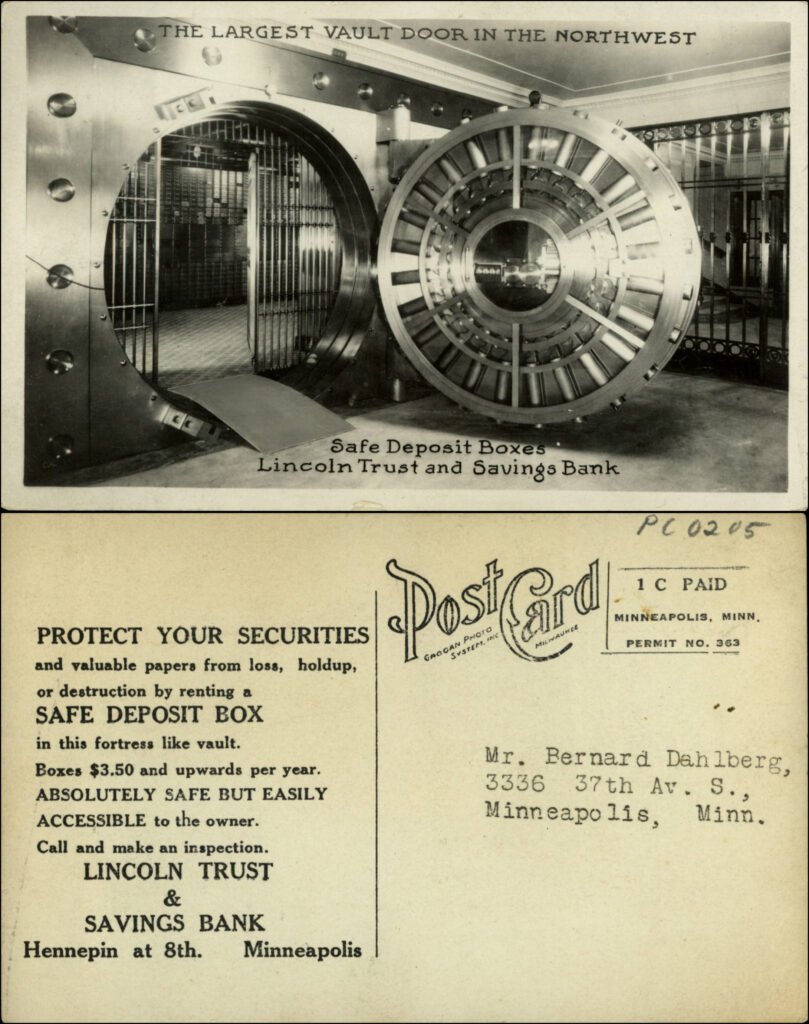
Protecting an Organization Most Critical Records
Vital records management identifies and protects the specific records an organization absolutely needs to resume operations and protect its legal rights following a disaster, distinguishing this small critical subset from the much larger body of routine records an organization maintains. Losing vital records can threaten an organization survival in ways that losing ordinary records typically does not.
Identifying Vital Records
Organizations typically identify vital records through a formal risk assessment process, examining which records would cause severe operational, legal, or financial harm if lost entirely, categories that commonly include incorporation documents, financial and tax records, and contracts establishing key legal rights and obligations.
Protection Strategies
Common vital records protection strategies include maintaining duplicate copies at a geographically separate location, using fire resistant and water resistant storage for physical originals, and ensuring digital vital records are backed up across systems that would not be affected by the same disaster scenario threatening the primary location.
Testing Vital Records Plans
Organizations with a vital records program benefit from periodically testing their ability to actually access and use protected records during a simulated disaster scenario, since an untested plan can harbor gaps, such as outdated storage locations or inaccessible digital backups, that only become apparent during an actual emergency.
Related Specialties
Vital records management connects closely with records retention scheduling and broader organizational risk management, since identifying vital records requires the same kind of systematic risk assessment used in other business continuity planning.
Looking Ahead for Vital Records Practice
Cloud based storage has changed vital records protection considerably, since geographically distributed cloud redundancy can achieve protection against localized disaster that once required costly dedicated offsite physical storage arrangements.
International Perspectives on Vital Records
Regulatory requirements around vital records protection vary by country and industry, with some sectors such as banking and healthcare facing explicit regulatory mandates for disaster recovery planning that effectively require formal vital records programs, while other organizations pursue vital records protection purely as a matter of sound internal risk management.
Practical Guidance for Building a Program
Organizations starting a vital records program benefit from beginning with a focused list of truly indispensable records rather than attempting comprehensive protection of every potentially important document, since an overly broad initial scope often leads to a program that is too costly and complex to sustain consistently.
Annual Review of Vital Records Lists
Vital records designations should be reviewed periodically, since organizational priorities and legal requirements change over time, and a vital records list created years earlier may no longer reflect which records are genuinely most critical to current operations.
Economic Considerations
Protecting vital records through redundant storage and disaster planning requires ongoing investment, yet the cost of inadequate protection, measured in potential legal liability or complete operational failure after a disaster, typically far exceeds the cost of a well designed protection program.
Looking Ahead for Vital Records Practice
Cloud based backup services have substantially lowered the cost barrier for geographically redundant vital records protection, making robust protection achievable even for smaller organizations that could not previously afford dedicated offsite physical storage facilities.
Growing frequency of climate related disasters in many regions has heightened organizational attention to vital records protection as a practical necessity rather than a theoretical best practice.
Practical Guidance for Program Planning
Organizations benefit from involving department heads directly in identifying which records within their area are truly vital, since staff working closely with specific records day to day often recognize practical value that an outside risk assessment conducted without their input might overlook.
Related Processing Decisions
Vital records designation often overlaps with but is distinct from archival appraisal, since some vital records serve purely operational continuity purposes without necessarily having the enduring historical research value that drives permanent archival retention decisions.
Tabletop disaster recovery exercises that simulate the loss of a primary facility help organizations discover gaps in their vital records protection before an actual disaster reveals those gaps under far more stressful and costly real circumstances.
Insurance providers increasingly request documentation of vital records protection practices as part of underwriting for business interruption coverage, adding an external incentive for organizations to maintain a genuinely functional program.
Cross training multiple staff members on vital records procedures prevents the common failure mode where only one person understands how to execute the protection plan, and that person happens to be unavailable during an actual emergency.
Organizations that designate a specific vital records coordinator role, rather than leaving the responsibility informally distributed, tend to sustain more consistent program oversight over multiple years and leadership transitions.
Industry benchmarking surveys comparing vital records practices across similar organizations help identify gaps relative to what peer institutions in the same sector typically protect.
Annual vital records audits, conducted independently of any actual disaster event, catch protection gaps while they remain easy and inexpensive to correct.
Clear written succession plans for vital records responsibilities prevent knowledge loss when a coordinator leaves the organization.
Clear communication to all departments about which records qualify as vital helps prevent both over designation and dangerous gaps in protection coverage.
Tabletop exercises run jointly with information technology staff help ensure digital vital records recovery plans remain realistic given current system capabilities.
Written lessons learned reports following any disaster recovery test, even a minor one, help refine the vital records program incrementally over time.
Budget planning that explicitly includes vital records protection as a recurring line item prevents the program from being deprioritized during tight fiscal years.
Written program summaries shared with leadership help sustain organizational support for ongoing vital records investment.
Key facts
- Array
Quick checkWhat distinguishes a vital record from an ordinary business record?Show answer
A vital record is one so essential to an organization legal standing or ability to resume operations that its loss would cause serious harm, such as incorporation documents, financial ledgers, or critical contracts, distinguishing it from routine records that could be recreated or lost with only minor inconvenience.
Sources
- Array
Editorially reviewed by Specialty Digest Editorial TeamLast reviewed November 3, 2026Researched and drafted with AI assistanceReport an issue