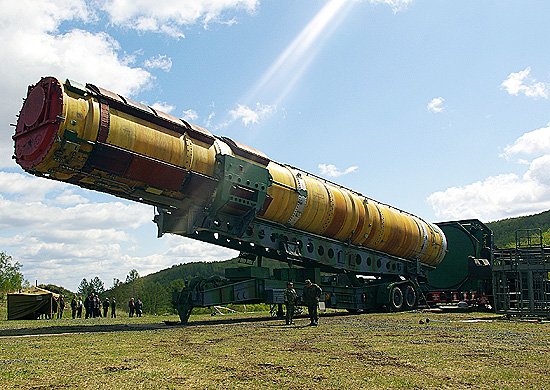
Arms control is the use of diplomacy and formal international agreements to limit, reduce, or regulate weapons, ranging from small arms and conventional military equipment to nuclear, chemical, and biological weapons of mass destruction. Unlike full disarmament, which aims to eliminate a weapons category entirely, most arms control agreements accept that certain weapons will continue to exist and instead try to limit their numbers, restrict their deployment, slow their spread to new states, or make their use more predictable and less likely to trigger catastrophic miscalculation between rival powers.
Nuclear nonproliferation
The Treaty on the Non-Proliferation of Nuclear Weapons, signed in 1968, is the cornerstone of the global nonproliferation regime, combining a commitment from non-nuclear states not to acquire nuclear weapons with a commitment from the five states that already possessed them at the time to pursue eventual arms reduction, alongside a right for all parties to develop peaceful nuclear energy under international safeguards. India, Israel, Pakistan, and North Korea have never accepted the treaty’s core nonproliferation obligations, each having developed nuclear weapons outside its framework, which remains one of the clearest illustrations of the treaty’s limits as well as its broad success in keeping the number of nuclear-armed states far smaller than many analysts once predicted.
US-Soviet and US-Russian agreements
The Strategic Arms Limitation Talks, conducted between the United States and the Soviet Union from 1969 to 1979, produced the 1972 Anti-Ballistic Missile Treaty and an interim agreement limiting offensive strategic weapons, establishing a pattern of bilateral negotiation that shaped superpower arms control for decades. The 1987 Intermediate-Range Nuclear Forces Treaty eliminated an entire category of missiles with ranges between 500 and 5,500 kilometers, a landmark agreement that both countries honored for over three decades before the United States and Russia both announced their withdrawal in 2019 amid mutual accusations of violations. The Strategic Arms Reduction Treaties of 1991 and 1993 further cut deployed strategic nuclear weapons, and the New START treaty, in force since 2011, reduced deployed strategic nuclear warheads roughly in half from Cold War peak levels, remaining the primary surviving framework governing the two countries’ strategic arsenals.
Multilateral agreements
Beyond bilateral superpower treaties, a wide range of multilateral agreements address other weapons categories entirely. The Chemical Weapons Convention and Biological Weapons Convention ban the development, production, and stockpiling of their respective weapons categories across nearly every country in the world, while the Comprehensive Nuclear-Test-Ban Treaty seeks to end all nuclear test explosions, though it has not yet formally entered into force because several required signatories, including the United States, have not ratified it. Regional nuclear-weapon-free zones, such as the Treaty of Tlatelolco covering Latin America and the Treaty of Rarotonga covering the South Pacific, create geographic areas where parties commit not to possess or host nuclear weapons, while export control arrangements such as the Nuclear Suppliers Group coordinate restrictions on transferring sensitive nuclear technology to states of proliferation concern.
Verification challenges
Verifying compliance is widely regarded as the single hardest practical problem in arms control, since any agreement is only as credible as the ability of other parties to confirm it is actually being followed. Mechanisms include routine data exchanges in which parties report on their own forces and activities, on-site inspections that let one party examine another’s facilities directly, and specialized international bodies, such as the International Atomic Energy Agency, which applies technical safeguards specifically against the diversion of nuclear material to weapons use. The Treaty on Open Skies, which permitted unarmed reconnaissance flights between NATO members and Russia over each other’s territory, illustrated both the promise and the fragility of cooperative verification, since the United States and Russia both ultimately withdrew from it. States often resist the most intrusive forms of verification precisely because the detailed information gathered during an inspection could itself be exploited for intelligence purposes unrelated to the treaty being verified.
Arms control versus disarmament
Arms control and disarmament are often used loosely as synonyms, but specialists distinguish between them. Disarmament aims to eliminate an entire category of weapons outright, as the Chemical Weapons Convention and Biological Weapons Convention attempt to do for their respective weapons types. Arms control, the broader and more common approach in practice, generally accepts that certain weapons, especially nuclear weapons held by major powers, will continue to exist for the foreseeable future, and instead focuses on capping their numbers, restricting how and where they can be deployed, and creating predictable rules that reduce the risk of sudden escalation or miscalculation between rival states. Advocacy groups such as Global Zero argue for moving further toward full nuclear disarmament, while most sitting governments with nuclear arsenals continue to favor incremental arms control measures over complete elimination.
FAQs
What is the Treaty on the Non-Proliferation of Nuclear Weapons?
A 1968 treaty combining a commitment from non-nuclear states not to acquire nuclear weapons with a commitment from existing nuclear states to pursue eventual arms reduction.
What happened to the Intermediate-Range Nuclear Forces Treaty?
Signed in 1987, it eliminated an entire category of missiles, but the United States and Russia both announced their withdrawal from it in 2019.
What role does the International Atomic Energy Agency play in arms control?
It applies technical safeguards against the diversion of nuclear material to weapons use, supporting verification under the nonproliferation treaty.
Why is verification considered the hardest problem in arms control?
Because an agreement is only as credible as the ability of other parties to confirm compliance, and states often resist intrusive inspections out of fear the information could be used against them.
What is the difference between arms control and disarmament?
Disarmament aims to eliminate a weapons category entirely, while arms control generally accepts that certain weapons will continue to exist and instead limits their numbers and deployment.
Key facts
- Nuclear Non-Proliferation Treaty (1968) is the cornerstone of the global nonproliferation regime
- US-Soviet SALT, INF (1987), and START treaties shaped Cold War-era arms control
- New START (2011) remains the primary surviving US-Russia strategic nuclear framework
- Verification via inspections and the IAEA is widely seen as the hardest practical problem
Quick checkWhat is the Treaty on the Non-Proliferation of Nuclear Weapons?Show answer
A 1968 treaty balancing non-nuclear states not acquiring weapons against existing nuclear states pursuing eventual reduction.
Sources
- Wikipedia: Arms Control
Editorially reviewed by Specialty Digest Editorial TeamLast reviewed November 2, 2026Researched and drafted with AI assistanceReport an issue