Administrative law is the body of law that governs the agencies created by legislatures to carry out and enforce statutes. It covers how agencies make rules, how they investigate and adjudicate individual cases, and how courts review agency decisions when someone challenges them. In modern states, far more day to day governance happens through administrative
Administrative Law Read More »
The branch of law governing how government agencies make rules, enforce them, and resolve disputes.
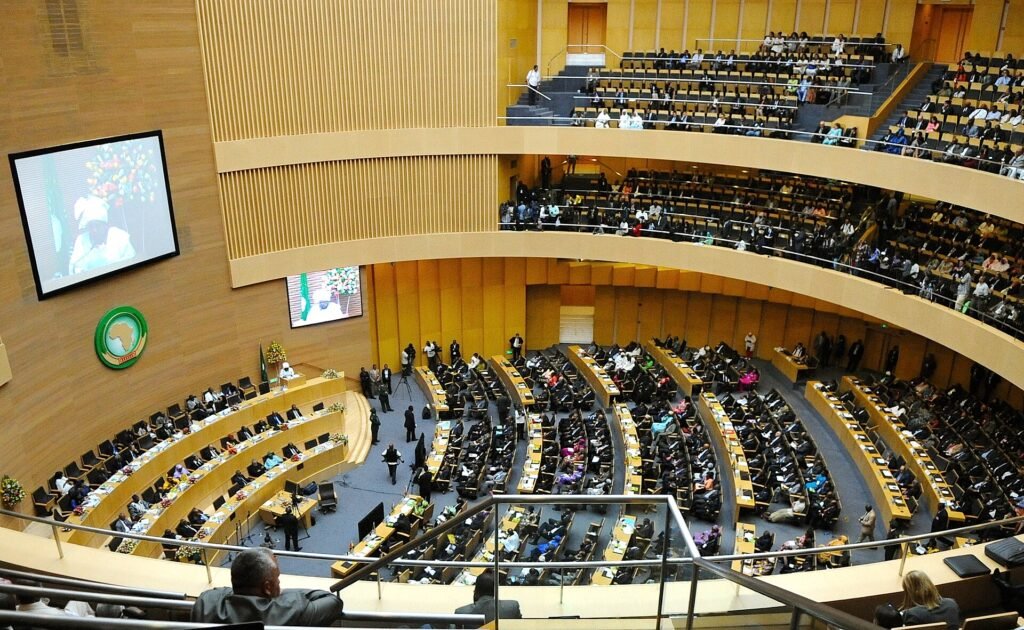
The African Union, or AU, is a continental organization of 55 member states that works for political and economic integration, peace and development across Africa. It was officially launched in July 2002 in Durban, South Africa, as the successor to the Organisation of African Unity. Its secretariat, the AU Commission, is based in Addis Ababa,
African Union Read More »
The African Union is a continental organization of 55 member states, launched in 2002 to promote African integration, peace and development.
Alabama civics is the study of how the state’s offices and institutions work and how residents take part in them. This overview summarizes the executive, legislative and judicial branches and the state constitution, and points to the detailed entries on each part.[1][2][3] Executive Governor, lieutenant governor and other elected officers Legislature 35 senators and 105
Alabama Civics (Overview) Read More »
Alabama civics explains how the state’s offices, legislature, courts and constitution work together.
The Alabama Indian Affairs Commission is a state agency created by the Alabama Legislature in 1984. It replaced the Southwest Alabama Indian Affairs Commission, which lost funding in 1982 after disputes among tribes. Headquartered in Montgomery, the commission acts as a liaison between Native Americans in Alabama and local, state and federal agencies [1]. It
Alabama Indian Affairs Commission Read More »
The Alabama Indian Affairs Commission, created by the legislature in 1984, is the state agency that serves as a liaison for Native Americans and recognizes nine tribes.
The Alabama Legislature is the state’s bicameral legislative branch, made up of a 35-member Senate and a 105-member House of Representatives that meet in Montgomery. Members of both chambers serve four-year terms with no term limits, and the regular session in 2026 was scheduled to run from January 13 to April 9.[1][2] Chambers Senate (35)
Alabama Legislature Read More »
The Alabama Legislature is the state’s two-chamber lawmaking body: a 35-member Senate and a 105-member House of Representatives.
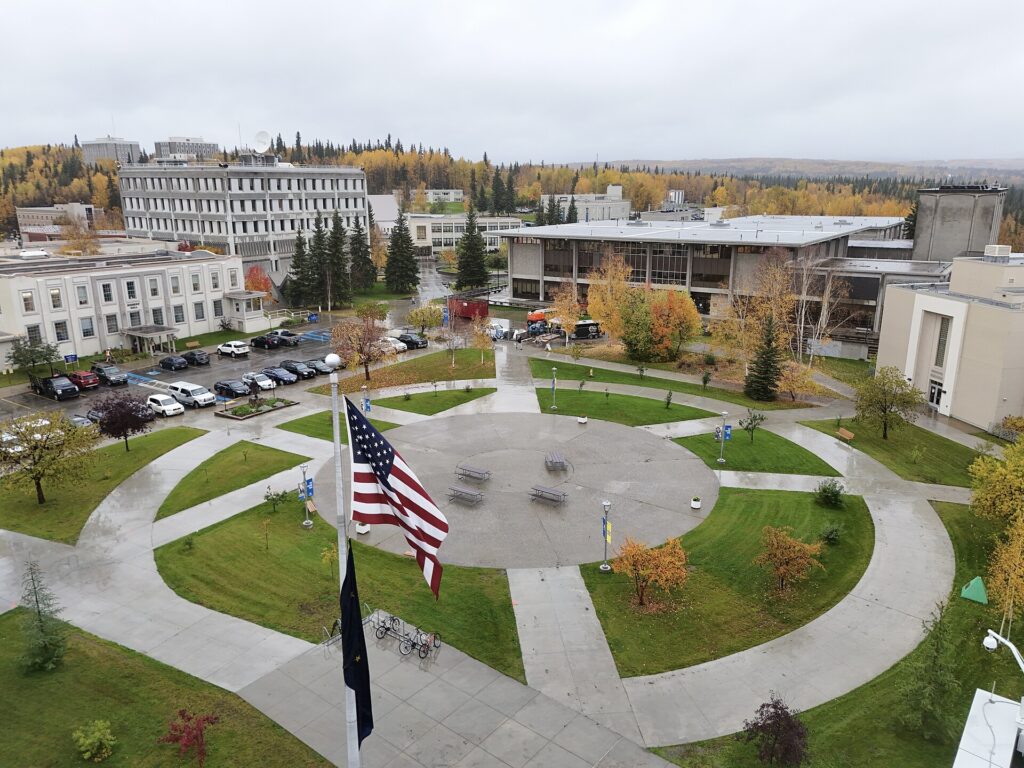
The Constitution of Alaska is the fundamental law of the U.S. state of Alaska. Drafted by 55 delegates at the University of Alaska in College, near Fairbanks, between November 1955 and February 1956, it was ratified by territorial voters on April 24, 1956, and took effect on January 3, 1959, when Alaska became the 49th
Alaska Constitution Read More »
The Alaska Constitution is the state’s fundamental law, drafted in 1955–56 and in effect since statehood on January 3, 1959.
The Alaska Constitutional Convention was the 1955–1956 gathering of 55 elected delegates at the University of Alaska in College, near Fairbanks, that drafted the constitution of the future state of Alaska. Meeting from November 8, 1955, delegates adopted the document on February 5, 1956, after 75 days, and territorial voters ratified it on April 24,
Alaska Constitutional Convention (1955–1956) Read More »
The Alaska Constitutional Convention of 1955–56 drafted the state constitution at the University of Alaska in 75 days.
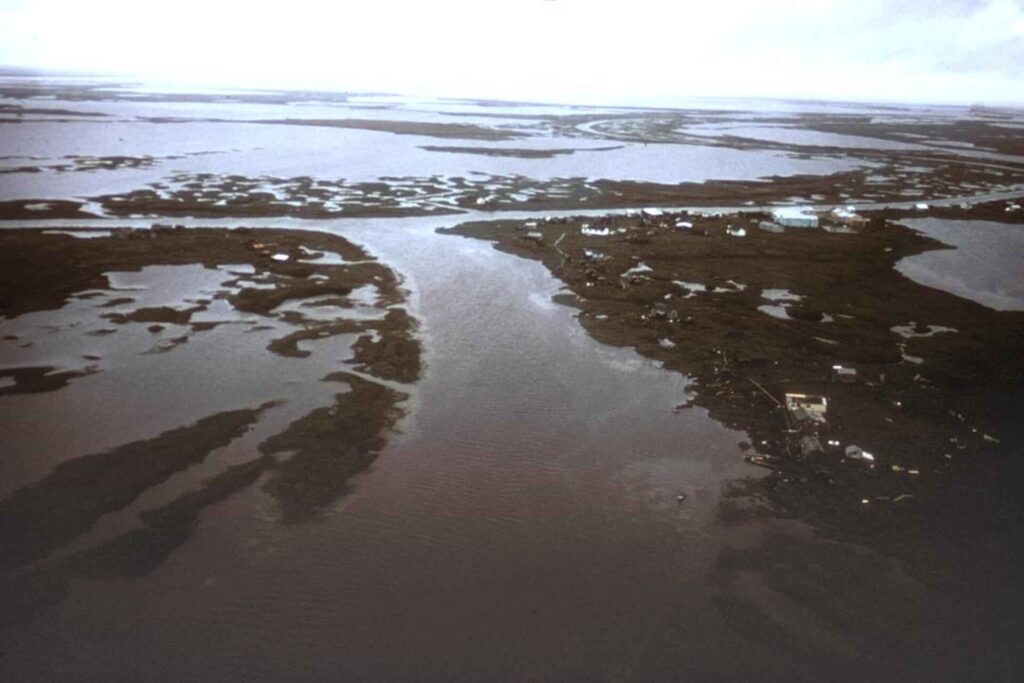
The Alaska National Interest Lands Conservation Act (ANILCA) is a United States federal law signed by President Jimmy Carter on December 2, 1980. It gave varying levels of protection to more than 157 million acres in Alaska and more than doubled the size of the National Park System. It created or expanded many national parks,
Alaska National Interest Lands Conservation Act Read More »
ANILCA is the 1980 federal law that protected more than 157 million acres of Alaska land as parks, refuges, forests and wilderness.
The Alaska Native Claims Settlement Act (ANCSA) is a United States law, signed by President Richard Nixon on December 18, 1971, that settled the aboriginal land claims of Alaska Natives. Instead of creating reservations, it transferred title to up to 44 million acres of land and a cash settlement of about $963 million to Native-owned
Alaska Native Claims Settlement Act (ANCSA) Read More »
ANCSA, signed December 18, 1971, settled Alaska Native land claims with 44 million acres and about $963 million through Native-owned corporations.
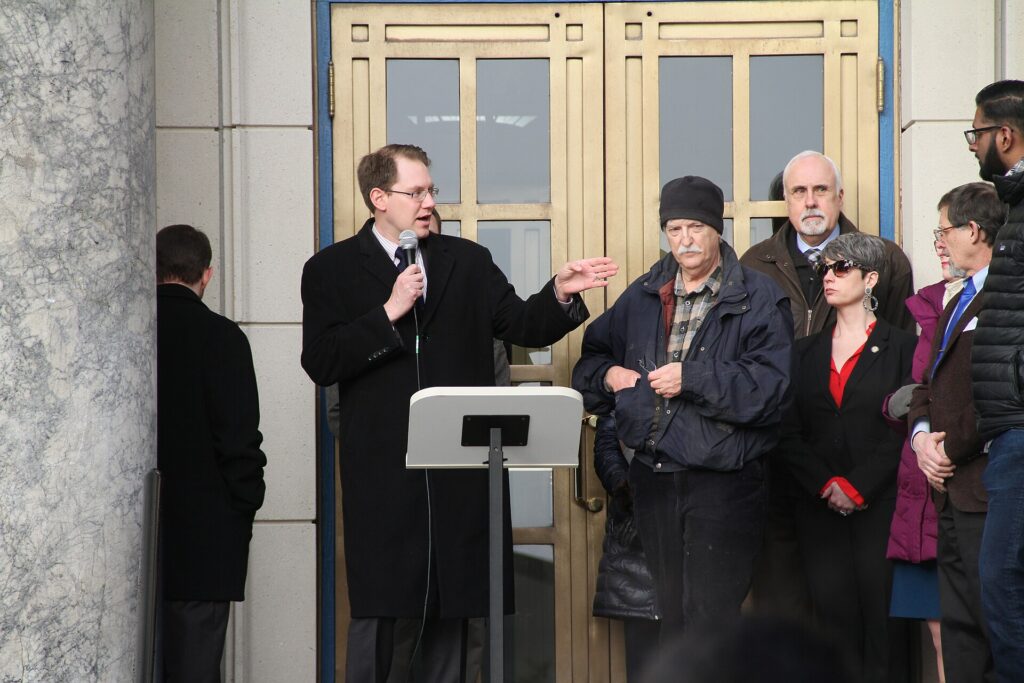
The Alaska State Legislature is the bicameral legislative branch of the government of Alaska. It has 60 members, a 40-member House of Representatives and a 20-member Senate, and meets in the Alaska State Capitol in Juneau. It is the smallest bicameral legislature in the United States and the second-smallest legislature overall, after Nebraska’s unicameral body
Alaska State Legislature Read More »
The Alaska State Legislature is the state’s 60-member bicameral lawmaking body, meeting in Juneau.