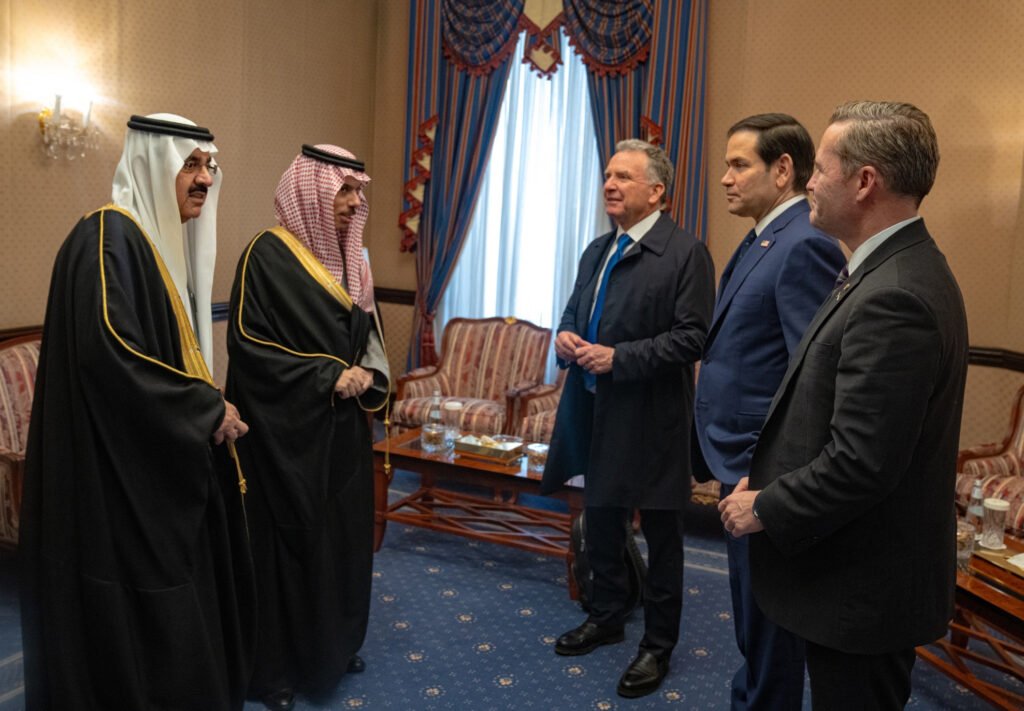
Diplomacy is the practice of conducting negotiations and maintaining relations between states, international organizations, and other political actors through official representatives rather than through force. It is the primary instrument through which foreign policy gets carried out day to day, and most of the treaties, trade agreements, and alliances that structure international affairs are the product of sustained diplomatic negotiation rather than sudden decisions made in a single meeting. Diplomacy ranges from quiet, routine communication between embassies to high-stakes summit negotiations that can determine whether a crisis ends peacefully or escalates into conflict.
Ancient and early origins
Diplomatic exchange is nearly as old as organized states themselves. The Amarna letters, a cache of 14th-century BC correspondence between Egypt and various Near Eastern kingdoms, are among the earliest surviving diplomatic records, and peace treaties between Mesopotamian city-states date back even further, to around 2100 BC. The treaty that followed the Battle of Kadesh between Egypt and the Hittite Empire, roughly 1274 BC, is often cited as the oldest surviving peace treaty whose full text survives. Ancient Greek city-states sent envoys for specific negotiations and relied on proxenoi, informal local representatives who looked after a foreign city’s interests, while Chinese statecraft, including the strategic writings attributed to Sun Tzu, and Indian traditions such as Kautilya’s Arthashastra, developed sophisticated theories of interstate relations independently of the European tradition.
The rise of permanent embassies
Continuous, resident diplomacy, as opposed to temporary missions sent for a single purpose, developed first among the city-states of northern Italy beginning in the 13th century, as rulers found it useful to keep a permanent representative stationed in rival or allied courts to gather information and maintain ongoing relationships. This practice spread across Europe, and by the late 16th century, permanent embassies had become the normal way major powers conducted relations with one another. Disputes over the relative rank and precedence of ambassadors from different countries persisted for generations, since questions of status were taken extremely seriously at royal courts, and a lasting resolution to these disputes only came after the Congress of Vienna in 1815 formally established a hierarchy of diplomatic ranks.
Codifying diplomatic practice
The Congress of Vienna’s system of diplomatic rank persisted, with modifications, until after the Second World War, when the rank of ambassador became the standard designation for a state’s chief representative abroad rather than one rank among several. The Vienna Convention on Diplomatic Relations of 1961 then codified the modern legal framework for diplomacy, formalizing the privileges, immunities, and protections granted to accredited diplomats and their missions. Nearly every sovereign state has ratified this treaty, and it shields diplomats from arrest and prosecution under the host country’s laws while they are serving on an official mission, a protection intended to let diplomats communicate honestly with their home governments without fear of retaliation from the country where they are posted.
Types of diplomacy
Diplomats pursue their goals through a range of recognized methods, including formal arbitration and mediation by a neutral third party, large multilateral conferences such as the 1878 Congress of Berlin, and direct bilateral negotiations such as the 1978 Camp David Accords between Egypt and Israel. Specialized forms have also developed for particular goals, including economic diplomacy aimed at trade and investment, public diplomacy aimed at influencing foreign public opinion rather than just foreign governments, and quiet diplomacy conducted deliberately out of public view to allow more flexibility than a public negotiating position permits. Not every method commands equal legitimacy: gunboat diplomacy, which backs negotiating demands with the implicit threat of military force, and appeasement, which concedes to an aggressor’s demands in the hope of avoiding conflict, are both diplomatic in form but are generally viewed far more critically than ordinary negotiation.
Embassies, diplomats, and intelligence
Most official diplomacy runs through accredited representatives, chiefly ambassadors and their staff, who operate out of embassies in the host country’s capital and smaller consulates in other major cities, reporting back to their home country’s foreign ministry. Diplomatic missions traditionally protect sensitive communications through the diplomatic bag, a shipment of official correspondence and material that host countries have agreed not to open or inspect. Embassies also serve, often quite openly, as hubs for gathering information about the host country, and military attachés are a recognized and declared channel for this kind of liaison, even though other embassy personnel sometimes engage in less open forms of intelligence collection as well. When relations between two countries deteriorate sharply, governments may recall their ambassador or expel the other country’s diplomats as a visible signal of displeasure, even while lower-level staff often remain behind to keep essential business functioning.
FAQs
What is the Vienna Convention on Diplomatic Relations?
A 1961 treaty, ratified by nearly every sovereign state, that codifies the privileges and immunities granted to accredited diplomats and shields them from prosecution under the host country’s laws.
When did permanent embassies become standard practice?
Resident embassies began among northern Italian city-states in the 13th century and had become the normal way major European powers conducted relations with each other by the late 16th century.
What is the difference between diplomacy and appeasement?
Diplomacy is the general practice of negotiating between states, while appeasement specifically means conceding to an aggressor’s demands in hopes of avoiding conflict, a strategy generally viewed critically today.
Why are diplomats granted legal immunity?
Diplomatic immunity is meant to let diplomats communicate honestly with their home governments and carry out their duties without fear of arrest or retaliation by the country where they are posted.
Key facts
- Among the earliest records are the 14th-century BC Amarna letters
- Permanent embassies began in 13th-century Italian city-states
- Vienna Convention on Diplomatic Relations (1961) codified diplomatic immunity
- Includes economic, public, and quiet diplomacy, plus more contested forms like gunboat diplomacy
In the news
Quick checkWhat is the Vienna Convention on Diplomatic Relations?Show answer
A 1961 treaty, ratified by nearly every state, codifying the privileges and immunities granted to accredited diplomats.
Sources
- Wikipedia: Diplomacy
Editorially reviewed by Specialty Digest Editorial TeamLast reviewed November 2, 2026Researched and drafted with AI assistanceReport an issue