Purpose and Core Functions
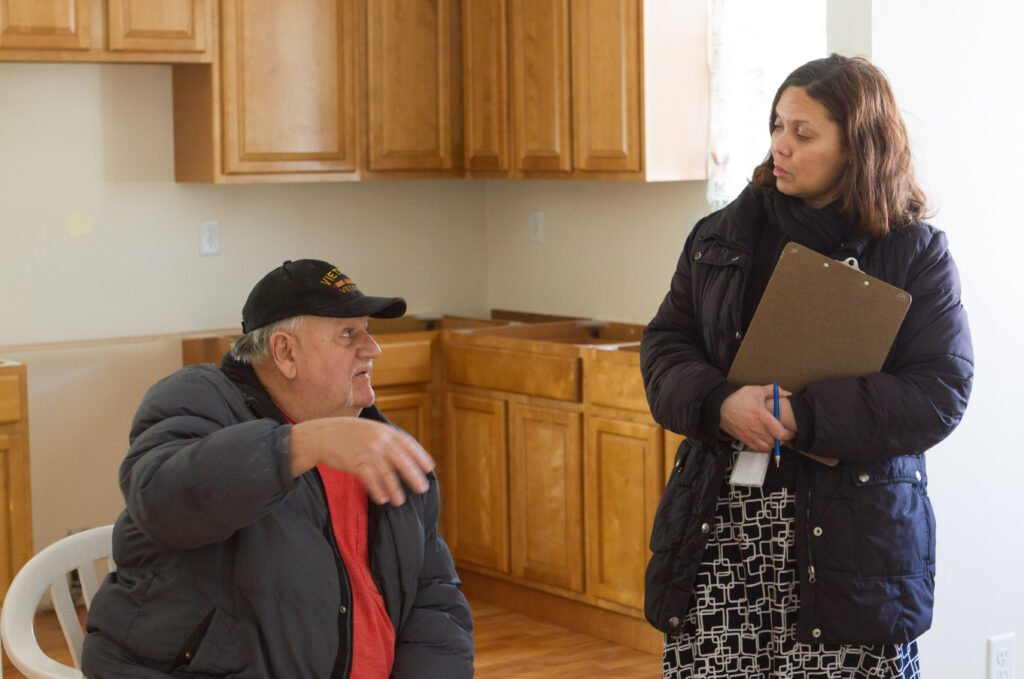
Case management emerged as a social work method to address a persistent problem facing clients with complex needs, namely the fragmentation of services across many different agencies and providers that rarely coordinate with each other directly. A case manager serves as a consistent point of contact who understands a client full situation, helping them navigate a confusing landscape of healthcare providers, housing agencies, benefits programs, and other services that might otherwise operate in isolation from one another. The core functions typically include conducting a thorough assessment of needs and strengths, developing an individualized service plan with specific achievable goals, actively linking the client to appropriate resources, monitoring whether services are actually being delivered effectively, and advocating on behalf of the client when bureaucratic or systemic barriers threaten to disrupt their care.
Settings and Applications
Case management appears across numerous social work practice settings, each with distinct emphases suited to the population served. In healthcare settings, case managers often focus on coordinating discharge planning, ensuring patients have necessary follow up appointments and home support after hospitalization. Child welfare case managers coordinate between families, foster care providers, courts, and schools to support children involved in the child protection system. Mental health and substance use case managers help clients access treatment, housing, employment support, and benefits while managing symptoms that might otherwise interfere with navigating these systems independently. Aging services case managers help older adults access home care, transportation, and medical services that allow them to remain safely in their homes rather than moving to institutional care prematurely.
Challenges and Professional Considerations
Case managers frequently face caseload sizes that limit how much individualized attention they can provide to any single client, a persistent tension between the ideal of personalized support and the practical reality of limited staffing resources relative to client need. Measuring case management effectiveness presents its own challenges, since successful outcomes often depend heavily on factors outside the case manager direct control, including the availability of affordable housing, the responsiveness of other agencies, and client circumstances that may change unpredictably. Professional case managers must also navigate complex confidentiality and information sharing rules when coordinating across multiple agencies that may have different legal requirements regarding client privacy, requiring careful attention to proper consent and authorization procedures throughout the coordination process.
Technology and Documentation
Modern case management increasingly relies on specialized software platforms that help practitioners track client information, document service delivery, and generate reports required by funders and regulatory agencies. These systems can improve coordination by allowing authorized providers across different agencies to access shared client records, reducing the burden on clients to repeatedly explain their situation to each new provider they encounter. However, documentation requirements also present a persistent tension in case management practice, since the time spent on data entry and administrative reporting represents time not spent in direct client contact, and many case managers report that documentation burdens have grown significantly as funders demand more detailed outcome reporting to justify continued program funding. Electronic health record integration between case management systems and medical providers has improved in some settings, though interoperability between different agency systems remains limited in many areas, continuing to create informational silos that case managers must bridge through direct communication rather than automated data sharing. Privacy and security considerations around these systems have grown more complex as case management data increasingly includes sensitive information shared electronically across multiple organizations, requiring careful attention to data governance and consent practices that keep pace with the technology used to manage this increasingly digital coordination work.
Workforce and Caseload Policy
Policy debates around case management frequently center on appropriate caseload ratios, since research across multiple service sectors generally shows that case managers handling excessive caseloads struggle to provide the individualized attention and timely follow up that effective case management requires. Advocacy organizations and professional associations in various fields have proposed recommended maximum caseload standards, though actual caseloads in many underfunded public service systems often substantially exceed these recommendations due to budget constraints and workforce shortages. Turnover among case managers represents a related persistent challenge, since relationship continuity matters considerably for vulnerable clients who may have experienced repeated disruptions and instability in other areas of their lives, making frequent case manager turnover a meaningful barrier to effective long-term support regardless of how well-designed a case management program might be on paper.
Interdisciplinary Collaboration
Effective case management frequently depends on collaborative relationships between case managers and professionals from other disciplines, including physicians, teachers, housing specialists, and legal advocates, each contributing specialized expertise relevant to different facets of a client overall situation. Building these collaborative relationships requires ongoing communication and mutual understanding of different professional roles, boundaries, and areas of expertise, since miscommunication or unclear role boundaries between collaborating professionals can lead to service gaps or duplicated efforts that undermine the coordination benefits case management is intended to provide. Regular interdisciplinary case conferences, where multiple providers working with the same client meet to coordinate their respective efforts, represent one common structural approach to supporting this collaboration, allowing providers to share relevant information and align their approaches more effectively than would be possible through case management alone.
Agencies measure case management quality through client satisfaction surveys, goal attainment rates, and supervisory file reviews. A well-run case management unit keeps caseloads at sustainable levels, since workers juggling too many files tend to miss early warning signs and fall behind on required contacts. Funding bodies increasingly tie reimbursement to documented outcomes, pushing programs to track not just services delivered but whether those services moved a client toward stated goals.
Key facts
- Array
Quick checkWhat are the core stages of the case management process?Show answer
The core stages of case management typically include assessment of the client needs and strengths, developing a service plan with specific goals, linking the client to appropriate resources and providers, monitoring progress and service delivery over time, and advocating on the client behalf when barriers to service arise.
Sources
- Array
Editorially reviewed by Specialty Digest Editorial TeamLast reviewed November 4, 2026Researched and drafted with AI assistanceReport an issue