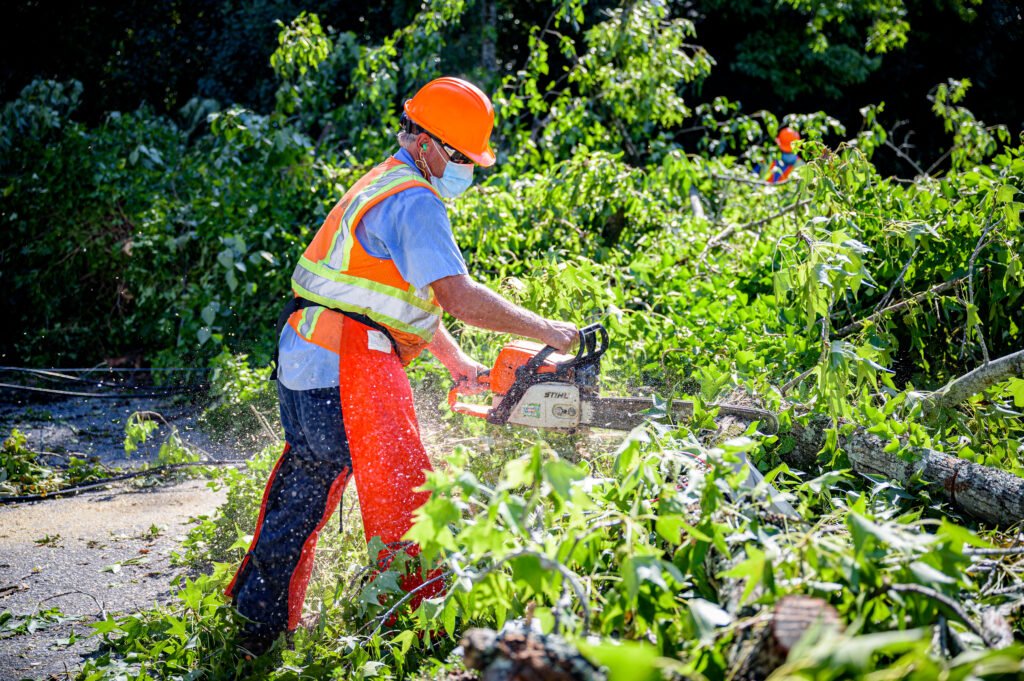
Security Challenges During Extended Recovery
While initial disaster response typically lasts days to weeks, reconstruction and recovery can extend for months or even years, creating a distinct and often underappreciated security challenge compared to the immediate emergency period. Construction sites holding valuable building materials, tools, and heavy equipment become attractive targets for theft, particularly in disaster affected areas where many properties remain vacant or under construction simultaneously, reducing the natural surveillance that occupied neighborhoods normally provide. Temporary housing sites and partially rebuilt structures also face security vulnerabilities, since they often lack the permanent security features of completed buildings while still containing valuable belongings as displaced residents attempt to resume normal life.
Protecting Recovery Funding
The large sums of money involved in post-disaster reconstruction, whether from government disaster assistance programs, insurance payouts, or charitable donations, create significant opportunities for fraud and corruption that security and oversight efforts must address. Contractor fraud remains a persistent risk throughout the extended rebuilding period, not just immediately after a disaster, as homeowners continue to need repair services long after initial scam warnings have faded from public attention. Government oversight bodies typically increase auditing and monitoring of disaster recovery spending specifically because the scale and urgency of post-disaster funding historically has attracted a disproportionate share of fraud compared to routine government spending programs.
Community Stabilization and Long-Term Security
Perceived safety plays a significant role in whether residents and businesses choose to return and reinvest in a disaster affected area, making visible, sustained security presence an important factor in successful community recovery beyond its direct crime prevention function. Local law enforcement agencies, often already strained by disaster response demands, frequently require continued outside support, whether from mutual aid partnerships or private security supplementing reduced municipal budgets, to maintain adequate security coverage throughout the extended reconstruction period. Successful long-term recovery efforts typically integrate security planning directly into broader reconstruction strategy, recognizing that safety and economic revitalization are mutually reinforcing rather than separate concerns.
Private Sector Role
Private security companies and insurance providers play a significant though often underappreciated role in post-disaster reconstruction security, supplementing stretched public law enforcement resources during the extended recovery period. Insurance companies frequently fund or directly provide security patrols for construction sites and vacant properties under claim review, recognizing that preventing theft and vandalism during the vulnerable rebuilding period protects their own financial exposure on claims already paid or pending. Construction companies working on large scale reconstruction projects often contract directly with private security firms to protect expensive equipment and materials staged at job sites, particularly in areas where damaged street lighting, reduced police patrol frequency, and ongoing population displacement combine to create elevated theft risk compared to normal construction site security needs. Community development organizations and neighborhood associations in affected areas sometimes organize supplemental volunteer patrol programs, coordinating with both private security and public law enforcement to maintain visible presence throughout residential areas during the recovery period when many homes may be unoccupied for months during repairs. This blend of public, private, and community based security efforts reflects a practical recognition that no single actor typically possesses sufficient resources to fully secure an entire disaster affected area throughout a multi year reconstruction period, making coordinated multi stakeholder approaches the most realistic and commonly adopted model in practice.
Balancing Speed and Oversight in Recovery
Post-disaster reconstruction security efforts must navigate an inherent tension between the urgent need to rebuild quickly, restoring normal community function and economic activity as soon as possible, and the equally important need for adequate oversight to prevent fraud, ensure construction quality, and maintain public safety during the rebuilding process. Pressure to accelerate rebuilding timelines, often driven by understandable political and public desire to demonstrate visible recovery progress, can sometimes lead to reduced inspection rigor or oversight shortcuts that create long term quality and safety problems extending well beyond the immediate post-disaster period. Conversely, overly bureaucratic oversight processes can delay legitimate rebuilding efforts for months or years, leaving residents in prolonged displacement and potentially undermining the broader economic recovery of an affected community. Successful recovery programs typically attempt to resolve this tension through streamlined but still meaningful oversight processes, such as pre-approved contractor lists that have already passed licensing and background verification, standardized rebuilding plans for common damage types that can receive expedited permit approval, and risk based inspection prioritization that focuses the most intensive scrutiny on higher risk projects while allowing more routine repairs to proceed with lighter touch review. Finding the right balance in any specific disaster recovery effort ultimately requires judgment calls informed by the particular scale of damage, available oversight resources, and community priorities unique to each situation.
Lessons for Future Disasters
Communities that have experienced major disasters and subsequent reconstruction periods frequently develop institutional knowledge that improves security planning for future events, documenting which specific measures proved effective and which created unexpected gaps or complications. This accumulated experience, when properly captured and shared across jurisdictions through professional emergency management networks, helps newer or less experienced communities avoid repeating preventable mistakes during their own eventual disaster recovery efforts.
Ultimately, effective post-disaster reconstruction security requires sustained attention and resources throughout what is often a multi year process, a reality that challenges both government budgeting cycles and public attention spans that tend to focus most intensely on the initial disaster rather than the extended recovery period that actually determines a community long term outcome.
Academic researchers studying disaster recovery increasingly emphasize that security considerations should be built into recovery planning frameworks from the outset rather than treated as a separate specialty, reflecting growing recognition that physical safety and successful economic and social recovery are fundamentally intertwined rather than separable concerns that can be addressed independently of one another.
Key facts
- Array
Quick checkWhy does post-disaster reconstruction create extended security needs beyond the initial emergency response?Show answer
Post-disaster reconstruction creates extended security needs because rebuilding efforts can take months or years, during which construction sites holding valuable materials and equipment remain vulnerable to theft, large amounts of recovery funding create opportunities for fraud and corruption, and communities need sustained visible security to feel safe enough to return and invest in rebuilding.
Sources
- Array
Editorially reviewed by Specialty Digest Editorial TeamLast reviewed November 4, 2026Researched and drafted with AI assistanceReport an issue