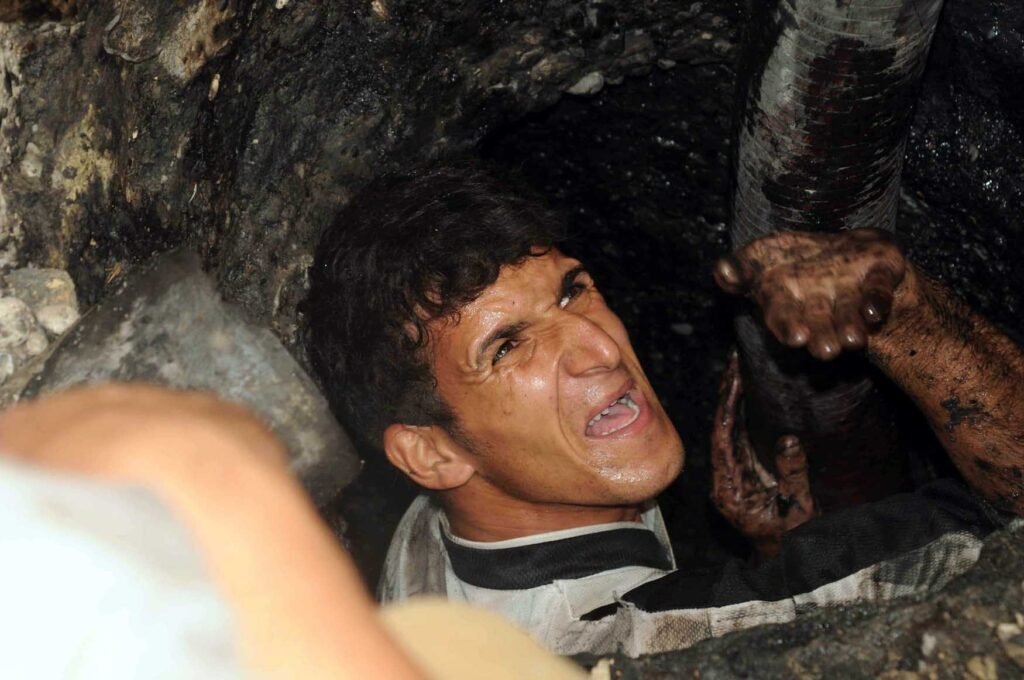
Confined space entry is a category of work that involves entering spaces such as tanks, vessels, silos, pits, vaults, pipelines, and sewers that are large enough to enter and work in but are not intended for continuous human occupancy and typically have restricted means of entry or exit. These characteristics create conditions that can quickly become dangerous and that differ substantially from open work areas.
n
Classification of Confined Spaces
n
Not every confined space carries the same level of risk. A permit-required confined space is one that contains or could contain a hazardous atmosphere, a material with the potential to engulf an entrant, walls that converge inward or a floor that slopes downward into a smaller area, or any other recognized serious hazard. Spaces lacking these additional hazards may be classified as non-permit confined spaces, though reclassification is required if conditions change.
n
Atmospheric Hazards
n
Atmospheric hazards are among the most dangerous aspects of confined space work. Oxygen levels can be depleted by processes such as rust formation or displaced by heavier or lighter gases, while toxic gases may accumulate from decomposing organic matter, residual chemicals, or nearby industrial processes. Flammable or explosive atmospheres can also develop from solvent vapors or methane buildup. For these reasons, atmospheric testing before and during entry is a central requirement of safe confined space work.
n
Entry Procedures and Roles
n
Safe entry typically involves a written permit system that documents hazard evaluation, isolation of energy sources, ventilation requirements, and rescue procedures. Standard roles include the entrant who performs the work inside the space, the attendant who remains outside monitoring conditions and communication, and the entry supervisor who authorizes and oversees the operation. Many programs also require a non entry rescue plan using retrieval lines and harnesses so that an entrant can be removed without requiring another person to enter the hazardous space.
n
Rescue Planning
n
Because conditions inside a confined space can deteriorate rapidly, rescue planning is a mandatory component of any entry program. Non-entry rescue, in which an attendant retrieves an incapacitated entrant using a harness and retrieval line without anyone else entering the space, is generally preferred because it avoids placing a second person at risk. When non-entry rescue is not feasible, a trained rescue team must be available with appropriate equipment and response times fast enough to address the specific hazards present.
n
Training Requirements
n
Workers involved in confined space operations, including entrants, attendants, and entry supervisors, require training specific to their role and the hazards of the particular spaces they will encounter. This training typically covers hazard recognition, proper use of atmospheric testing equipment, communication procedures, and the limits of their authority, such as an attendant obligation to order evacuation if conditions become unsafe, regardless of work progress.
n
Common Industries
n
Confined space entry occurs across a wide range of industries, including wastewater treatment where workers enter tanks and sewers, manufacturing where storage silos and process vessels require periodic entry for cleaning or maintenance, construction where excavations and utility vaults may qualify as confined spaces, and agriculture where grain bins present well-documented engulfment hazards. Each industry context brings its own typical hazard profile, though the fundamental principles of hazard identification, atmospheric testing, and rescue planning apply across all of them.
n
Permit Documentation
n
The entry permit itself serves as a documented record that required precautions have been verified before entry begins, typically including atmospheric test results, names of authorized entrants and attendants, equipment to be used, and acknowledgment that isolation of hazardous energy sources has been completed. Permits are generally valid only for the specific entry and conditions described, and any significant change in conditions during the work requires re-evaluation before entry can continue.
n
Continuous Monitoring During Entry
n
Atmospheric conditions inside a confined space can change after entry begins, due to factors such as disturbed sediment releasing trapped gases or welding operations consuming available oxygen. For this reason, many entry procedures require continuous or periodic atmospheric monitoring throughout the duration of work rather than a single test performed before entry, allowing the attendant to order evacuation promptly if conditions deteriorate below acceptable thresholds at any point during the operation.
n
Lessons from Incident Investigations
n
Investigations of confined space fatalities have repeatedly identified recurring contributing factors, including failure to test the atmosphere before entry, entry without a permit or required precautions, and attempted rescues by untrained coworkers who themselves become additional casualties. These recurring patterns have shaped modern regulatory requirements and training emphasis, particularly the strong caution against untrained rescue attempts, since a substantial proportion of confined space fatalities historically involved would-be rescuers rather than only the original entrant.
n
Equipment Used in Entry Operations
n
Confined space entry typically requires specialized equipment beyond standard personal protective gear, including direct-reading gas detectors calibrated for the specific hazards anticipated, ventilation blowers to supply fresh air or remove contaminants, and retrieval systems such as tripods, winches, and full-body harnesses for non-entry rescue. Maintaining this equipment in good working order and ensuring workers are trained in its proper use are both essential components of a functional confined space program.
n
Ongoing Vigilance
n
Because the hazards associated with confined spaces are often invisible until measured and can change without warning, maintaining consistent vigilance across every entry, regardless of how routine the task may seem, remains the foundation of preventing the serious injuries and fatalities that continue to occur when established procedures are skipped or shortcuts are taken under time pressure.
n
Consistent application of these practices, even for tasks that seem routine, is what ultimately prevents the serious injuries that confined spaces continue to pose across many industries.
Key facts
- Array
Sources
- Array
Editorially reviewed by Specialty Digest Editorial TeamLast reviewed November 3, 2026Researched and drafted with AI assistanceReport an issue