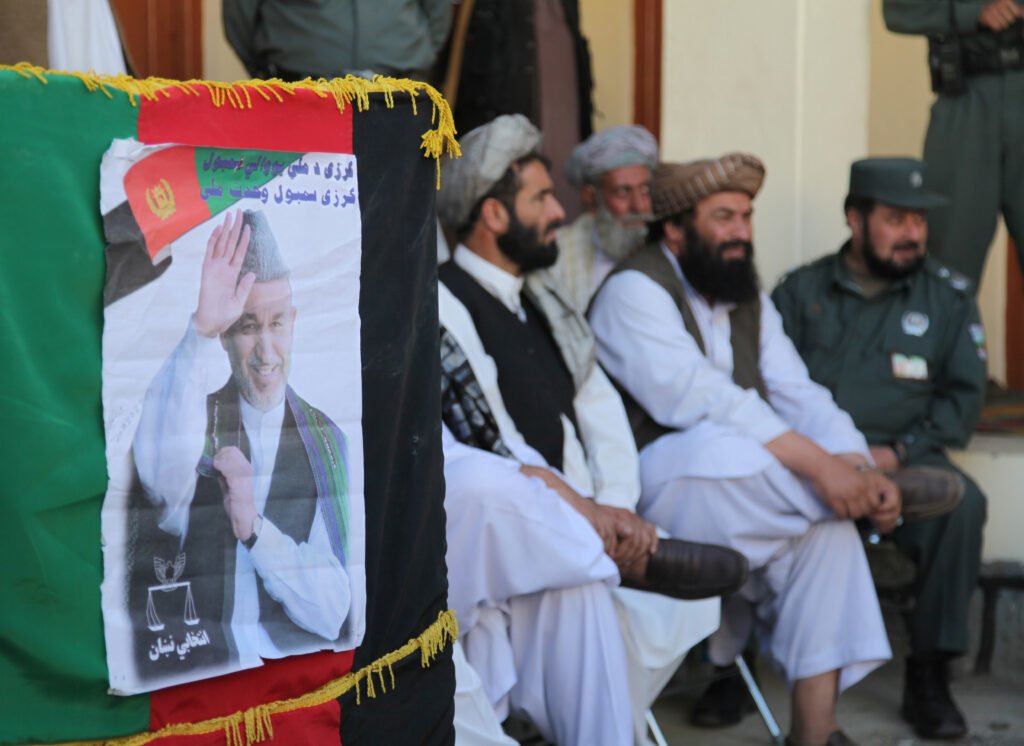
Overview
Counterinsurgency describes the combined military, political, and economic efforts a government undertakes to defeat an armed insurgency and reestablish control over a population and territory. Unlike conventional warfare, which centers on defeating an opposing army, counterinsurgency treats the loyalty and cooperation of the civilian population as the central objective.
Core principles
Classic counterinsurgency theory holds that insurgents cannot survive without support from the population, whether through recruits, intelligence, supplies, or simply a willingness to remain silent about insurgent activity. Successful counterinsurgency campaigns therefore combine security operations against armed insurgents with efforts to improve governance, economic opportunity, and basic services, aiming to make the government a more attractive option than the insurgency.
Military and civilian coordination
Because counterinsurgency blends security and governance objectives, it requires close coordination between military forces, police, and civilian administrators. Military units are often tasked with providing security for reconstruction and governance efforts, while civilian agencies work to deliver services and build local institutions capable of maintaining order once military forces draw down.
Challenges and criticism
Counterinsurgency campaigns are often lengthy, resource intensive, and difficult to sustain politically, particularly for foreign forces operating far from home. Critics argue that heavy handed military tactics can alienate the very population counterinsurgency efforts are meant to win over, while supporters maintain that patient, population centered approaches can succeed where purely military solutions fail.
Intelligence and population control
Effective counterinsurgency depends heavily on accurate intelligence about who is participating in the insurgency and where support networks are based, which is often far harder to obtain than conventional military intelligence about an opposing armys location and strength. Some historical counterinsurgency campaigns have relied on controversial population control measures, including resettlement programs and strict identification systems, aimed at separating insurgents from the civilian population they depend on for support.
Economic and development components
Because counterinsurgency treats governance and economic opportunity as central to defeating an insurgency, successful campaigns often include significant investment in infrastructure, schools, and local economic development, alongside security operations. The underlying theory holds that populations with meaningful economic prospects and functioning government services have less incentive to support or tolerate an insurgency, even when they do not actively oppose it.
Duration and political will
Counterinsurgency campaigns typically unfold over years or even decades rather than the shorter timelines associated with conventional military operations, since building durable governance and economic institutions cannot be accomplished quickly. This extended timeline often creates tension with the political cycles of democracies conducting counterinsurgency campaigns abroad, where public and political patience for long, costly commitments tends to be limited.
Role of local forces
Many counterinsurgency strategies place heavy emphasis on building and training local security forces, since indigenous police and military units often possess cultural knowledge, language skills, and legitimacy that foreign forces inherently lack. Transitioning primary responsibility for security to capable local forces is frequently identified as an essential condition for foreign forces to eventually withdraw without the government they supported collapsing or losing control to the insurgency.
Historical lessons
Historical counterinsurgency campaigns offer mixed lessons about what approaches succeed. Some campaigns that combined patient, population centered methods with sustained political commitment achieved lasting success, while others that relied primarily on military force without adequate attention to governance and economic development saw insurgencies persist or resurface even after years of costly military effort.
Measuring progress
Assessing whether a counterinsurgency campaign is succeeding is notoriously difficult, since traditional military metrics such as enemy casualties often provide a poor or even misleading indicator of progress toward the actual goal of winning population support and establishing durable governance that can outlast the departure of outside military forces.
Role of external support
Insurgencies frequently depend on external support from sympathetic states, diaspora communities, or ideological allies, providing funding, weapons, or safe haven across international borders. Effective counterinsurgency strategies often must therefore extend beyond the immediate conflict zone, incorporating diplomatic and economic pressure on external supporters alongside security operations within the contested territory itself.
Ongoing debate
Debates over the most effective approach to counterinsurgency remain active among military planners and scholars, reflecting the reality that no single formula has proven reliably successful across the very different political, cultural, and geographic contexts in which insurgencies have historically arisen.
Information operations
Counterinsurgency campaigns increasingly incorporate deliberate information operations aimed at countering insurgent propaganda and building public support for the government, recognizing that the contest for popular loyalty takes place not only through security and economic measures but also through competing narratives about legitimacy, grievances, and the future that each side offers the population.
Closing note
These debates are expected to remain active among planners and scholars as new insurgencies arise in different political and cultural settings around the world.
Final observation
Each new insurgency tends to generate its own body of lessons learned, which planners then attempt, not always successfully, to apply to the next conflict that emerges in a different part of the world under different political and cultural conditions.
Closing thought
The uneven historical record continues to fuel debate among military planners, historians, and policymakers about what, if anything, constitutes a reliable formula for success in these uniquely difficult conflicts.
No single approach has proven universally reliable across every context examined so far.
It continues to be studied, debated, and refined by planners and scholars around the world seeking more durable lessons for future conflicts.
This continues to inform how military academies and civilian policy schools structure their curricula for future practitioners in this field.
Few expect that debate to be settled anytime soon.
The subject remains an active area of research.
Key facts
- Array
Quick checkWhy is counterinsurgency often described as different from conventional warfare?Show answer
Conventional warfare typically focuses on defeating an opposing military force, while counterinsurgency focuses on winning the support and loyalty of the civilian population, since insurgents depend on that population for recruits, supplies, and shelter.
Sources
- Array
Editorially reviewed by Specialty Digest Editorial TeamLast reviewed November 4, 2026Researched and drafted with AI assistanceReport an issue