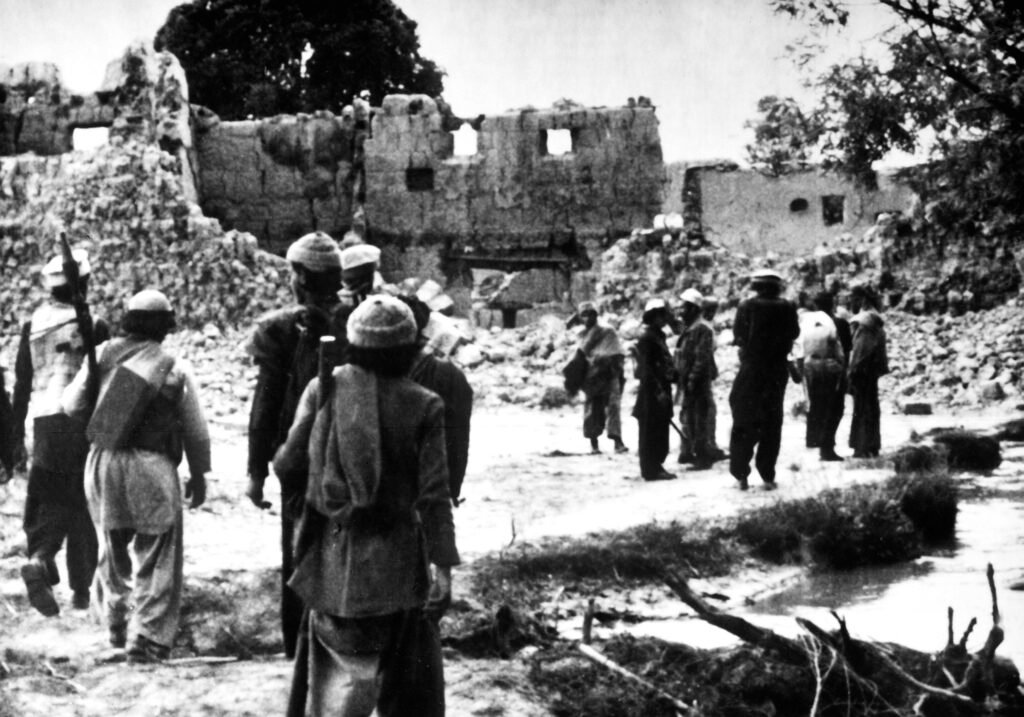
Overview Asymmetric warfare describes conflict between parties with substantially unequal military resources, technology, or organizational strength. Rather than meeting a stronger opponent in open conventional battle, the weaker side adopts tactics designed to avoid its disadvantages while exploiting the stronger sides vulnerabilities. Common tactics Typical asymmetric approaches include guerrilla warfare, in which small, mobile units
Asymmetric Warfare Read More »
Asymmetric warfare is conflict between opponents of significantly different military strength or capability, in which the weaker side avoids direct confrontation and instead uses unconventional tactics to offset its disadvantages.
Overview Combined arms warfare refers to the deliberate integration of different types of military forces and equipment on the battlefield so that their respective strengths offset each others weaknesses. Rather than committing infantry, tanks, artillery, or aircraft in isolation, commanders coordinate these elements so they act together toward a shared objective. Origins and development Although
Combined Arms Warfare Read More »
Combined arms warfare is the coordinated use of different military branches and weapon systems, such as infantry, armor, artillery, and air power, so that each compensates for the weaknesses of the others.
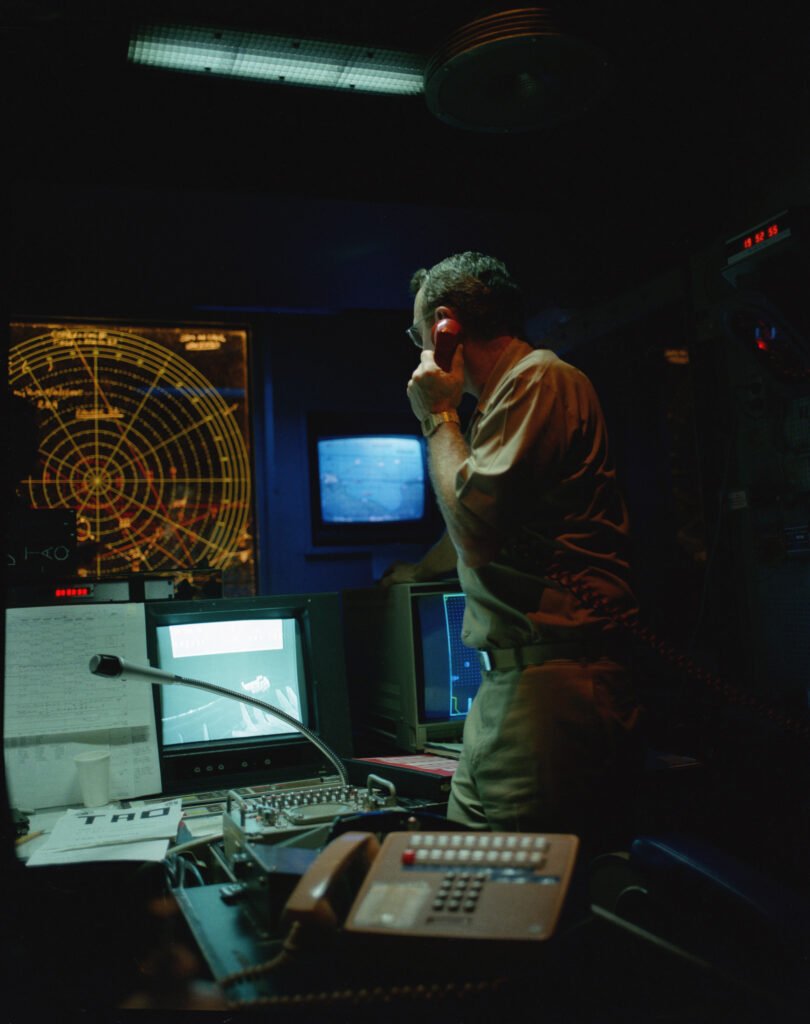
Overview Command and control describes both the authority a military commander holds over assigned forces and the practical systems, procedures, and personnel used to exercise that authority. It covers how orders are issued, how information flows up and down a chain of command, and how decisions are made under the pressure and uncertainty of military
Command and Control Read More »
Command and control refers to the exercise of authority and direction by a designated commander over assigned forces, including the systems, procedures, and personnel used to plan, direct, and coordinate military operations.
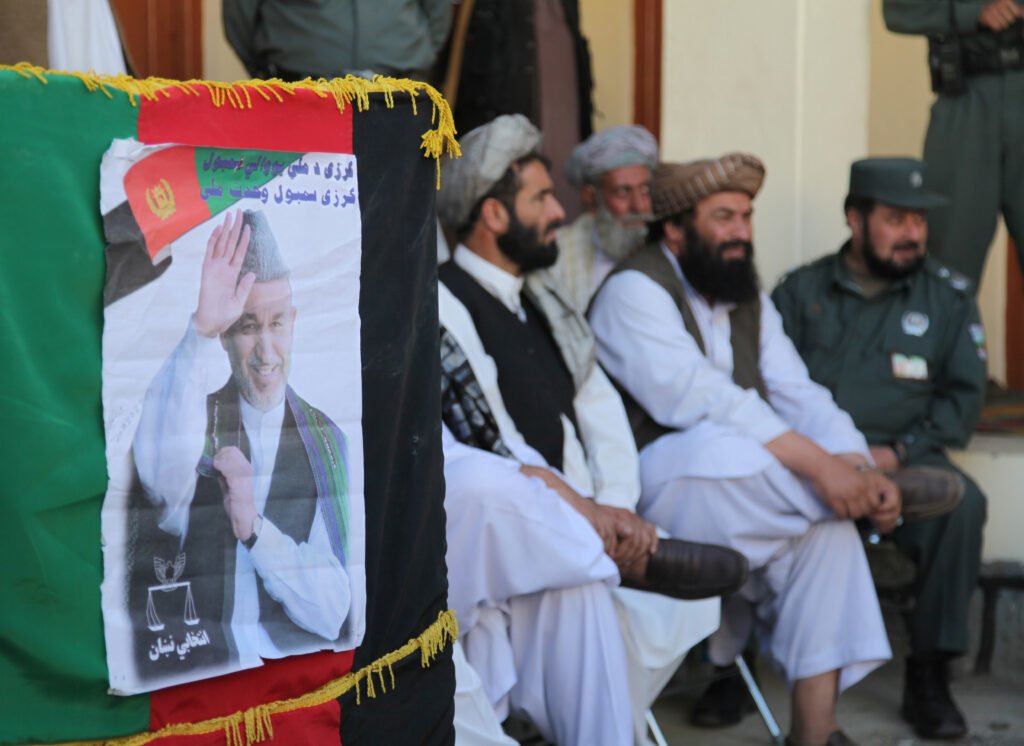
Overview Counterinsurgency describes the combined military, political, and economic efforts a government undertakes to defeat an armed insurgency and reestablish control over a population and territory. Unlike conventional warfare, which centers on defeating an opposing army, counterinsurgency treats the loyalty and cooperation of the civilian population as the central objective. Core principles Classic counterinsurgency theory
Counterinsurgency Read More »
Counterinsurgency refers to the military, political, and economic measures a government takes to defeat an armed insurgency and restore legitimate authority over a contested population.
Overview Grand strategy refers to the long term, integrated use of all the instruments of national power, including military force, economic policy, diplomacy, and information, in pursuit of a states most fundamental interests and security. It operates at a higher level than military strategy alone, treating armed force as one tool among several rather than
Grand Strategy Read More »
Grand strategy is the long term coordination of a states military, economic, diplomatic, and informational resources in pursuit of its most fundamental national interests and security goals.
Overview Just war theory is a framework within moral philosophy and international law that asks two related questions: when, if ever, is it permissible for a state or group to resort to armed force, and once a conflict is underway, what methods of fighting remain morally acceptable. The tradition does not treat all warfare as
Just War Theory Read More »
Just war theory is a body of ethical and legal thought that sets out the conditions under which going to war can be morally justified and the conduct that is permissible within it.
Overview Military doctrine is the body of officially approved principles that guides how an armed force organizes, trains, and employs itself in operations. It functions as a shared professional vocabulary and framework, allowing commanders and units across a large organization to understand how they are expected to fight and cooperate even without detailed, case specific
Military Doctrine Read More »
Military doctrine is the officially sanctioned set of principles and guidelines that describes how a military organization intends to conduct operations and employ its forces.
Overview Military logistics covers the planning, movement, and sustainment of the people, equipment, and supplies that armed forces need to operate. It includes transportation of troops and materiel, the supply of fuel, food, and ammunition, maintenance of vehicles and weapons, and the evacuation and treatment of casualties. Historical importance Logistics has shaped the outcome of
Military Logistics Read More »
Military logistics is the planning and management of the movement, supply, and maintenance of military forces, covering everything from fuel and ammunition to food, transportation, and equipment repair.
Overview Military strategy is the discipline concerned with planning and directing the large scale use of armed force to achieve the political aims of a state or other organized group. It sits above the level of individual battles, connecting the conduct of campaigns to the broader purposes a government or movement is trying to achieve,
Military Strategy Read More »
Military strategy is the planning and coordination of armed forces and resources to achieve political objectives through the threat or use of force.
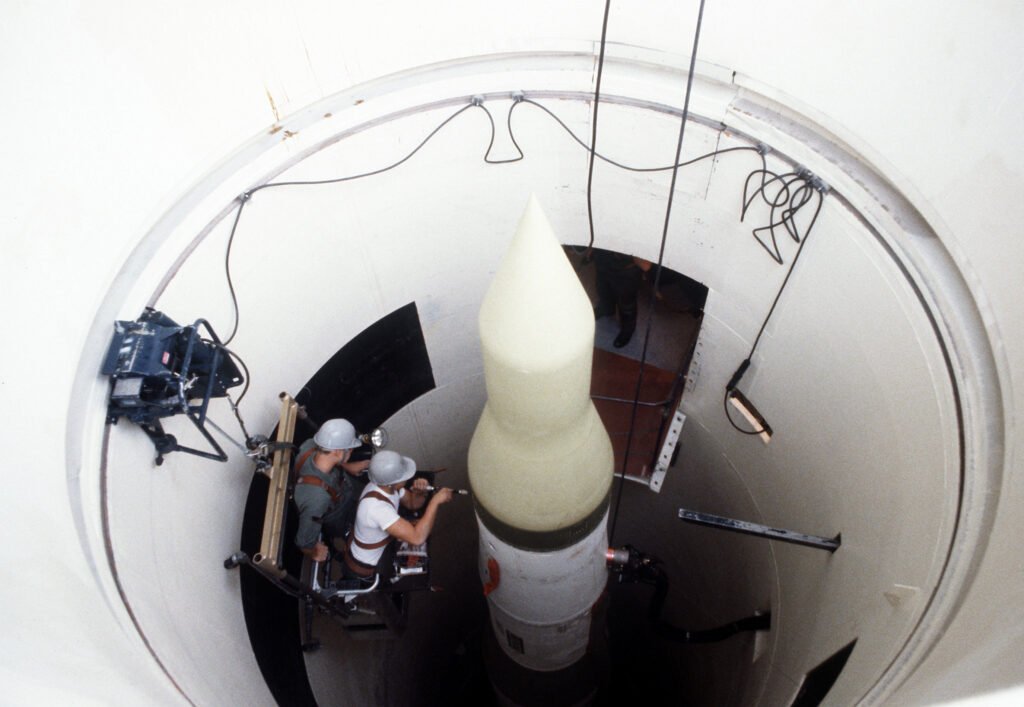
Overview Nuclear deterrence is a strategic concept in which the possession of nuclear weapons is used not primarily to fight wars but to prevent them, by threatening an adversary with retaliation so severe that any attack becomes irrational. The strategy depends less on the weapons themselves than on an adversarys belief that they would actually
Nuclear Deterrence Read More »
Nuclear deterrence is a strategy in which a state maintains nuclear weapons capable of inflicting unacceptable damage on an adversary, with the goal of discouraging that adversary from launching an attack.