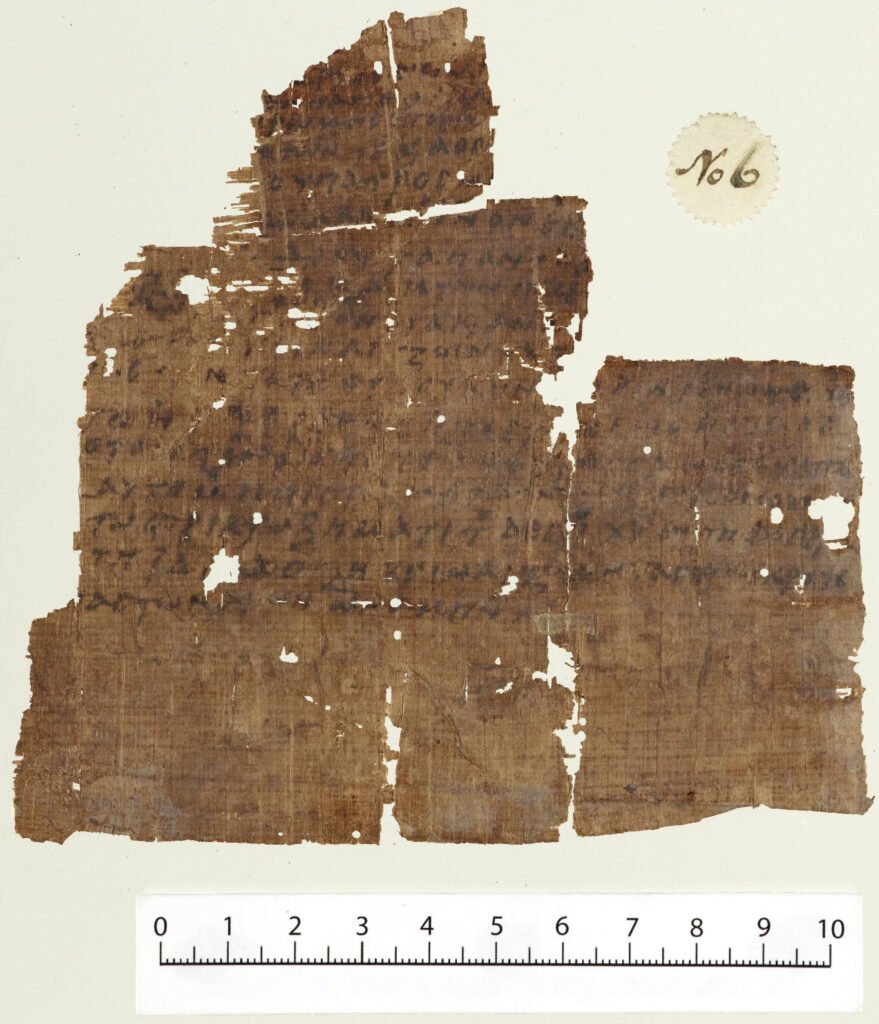
Overview
A creed is a formal, typically concise statement of religious belief adopted by a faith community to summarize its core doctrine and provide a shared basis for communal worship and identity. Creeds are often recited collectively during religious services, reinforcing a sense of unity among believers around an agreed set of foundational claims.
Historical Development
Many well-known creeds developed in response to specific theological controversies, as religious communities sought to clarify their position against competing interpretations considered incompatible with core belief. These formal statements were often produced through councils or gatherings of religious leaders tasked with resolving disputed questions.
Function Within Communities
Beyond settling doctrinal disputes, creeds serve an important communal and educational function, offering new members and children a concise framework for understanding what their tradition teaches. Regular recitation of a creed during worship reinforces shared identity and helps transmit core beliefs across generations.
Variation Across Traditions
Not all religious traditions place equal emphasis on fixed creedal statements, with some favoring more open-ended or evolving expressions of belief rather than a single authoritative formula. Even within traditions that use creeds, different branches or denominations sometimes maintain their own distinct versions reflecting particular theological emphases.
Role Today
Creeds continue to play a significant role in shaping worship, religious education, and denominational identity across many contemporary faith communities. Scholars studying the history of religious thought often use the development of creedal statements as a window into how communities resolved major theological disputes over time.
Creeds and Councils
Several of history most influential creeds emerged from large gatherings of religious leaders convened specifically to resolve pressing theological disputes, producing statements that were then widely adopted across the broader religious community. The authority of these creedal statements often depended heavily on the perceived legitimacy of the gathering that produced them, a factor that itself became a subject of ongoing theological debate.
Creeds in Worship
Beyond their doctrinal function, creeds play an important liturgical role, often recited at fixed points during worship services as a way of actively engaging the congregation in communal affirmation of shared belief. This liturgical use helps keep core doctrinal content present and memorable in the regular rhythm of religious life, well beyond formal theological instruction.
Personal and Communal Affirmation
For individual believers, reciting a creed can serve as a deeply personal act of faith even while performed in a communal setting, linking private conviction to a wider historical community of belief stretching back through many generations. This dual function, personal and communal at once, helps explain the enduring emotional and spiritual significance many believers attach to creedal recitation.
Challenges to Creedal Religion
Some contemporary religious thinkers have questioned whether fixed creedal formulas remain the best vehicle for expressing faith in a rapidly changing world, proposing more flexible or experiential approaches to shared belief instead. These debates reflect broader tensions between continuity with inherited tradition and the desire for contemporary relevance within many religious communities.
Creeds and Interfaith Encounter
In contexts of growing religious pluralism, creedal statements sometimes serve as useful reference points for interfaith dialogue, offering outside observers a relatively concise summary of a tradition core claims even while acknowledging that lived faith is always richer and more varied than any single formula can capture.
Closing Thoughts
Creeds continue to anchor communal worship and theological identity for millions of believers, demonstrating how a carefully crafted statement of belief can carry profound meaning across many centuries of continued use.
Few short texts carry as much historical and devotional weight as a well-established creed does within its tradition.
Learning a Creed
For many believers, learning a creed begins in childhood religious education, where memorization and repetition gradually give way to deeper personal understanding as the believer matures in their engagement with their tradition central claims about the nature of reality and the divine.
That gradual deepening of understanding reflects how creeds function not as static formulas but as living texts engaged with across an entire lifetime of faith.
Final Considerations
Studying the history and ongoing use of creeds offers a valuable window into how religious communities balance the need for clear shared belief with the reality of ongoing theological reflection and debate.
This balance continues to shape how new generations encounter and ultimately make their tradition central claims genuinely their own.
That ongoing relevance keeps creedal study central to understanding lived religious practice.
Creeds and Memory
Because creeds are typically short and rhythmically structured, they are designed to be memorized easily, allowing believers to carry core doctrinal content with them even without access to formal theological texts, a feature especially valuable in contexts where literacy or access to religious education has historically been limited.
Creeds Across Language and Culture
As religious traditions spread across different languages and cultures, their creeds have often been translated and sometimes subtly reinterpreted, raising ongoing questions about how to preserve theological precision while making core beliefs accessible to new linguistic and cultural communities.
This translation challenge continues to occupy theologians and linguists working to keep ancient creedal language both faithful and intelligible today.
Careful translation work remains essential for keeping creeds meaningful across generations and cultures alike.
Careful study of creeds rewards patient readers with real historical depth.
Its reach continues growing steadily across many communities worldwide.
Interest keeps rising steadily among new students and believers alike each year.
Steady growth continues in nearly every corner of the world today, keeping this study field active.
Growth keeps continuing steadily across many communities.
Growth holds steady year after year.
It holds firm.
Key facts
- Array
Quick checkWhy have religious communities historically developed formal creeds?Show answer
Religious communities have historically developed formal creeds to provide a clear, agreed-upon summary of core belief that can settle disputes over interpretation, distinguish accepted teaching from positions considered heretical, and give ordinary worshippers a shared, memorable statement of faith they can recite together as an act of communal identity and affirmation.
Sources
- Array
Editorially reviewed by Specialty Digest Editorial TeamLast reviewed November 4, 2026Researched and drafted with AI assistanceReport an issue