Overview Animism is the belief that spirit, consciousness, or personhood is not limited to human beings but can also be present in animals, plants, rivers, mountains, and other elements of the natural world. The term was introduced by the anthropologist Edward Tylor in the nineteenth century as a way of describing what he considered an
Animism Read More »
The belief that spirits or a form of consciousness inhabit not only humans but also animals, plants, rivers, mountains, and other natural features or objects.
Overview Atonement refers to the theological concept of reconciliation between humanity and the divine following sin or wrongdoing, addressing how the relationship disrupted by such wrongdoing can be restored. The concept appears across multiple religious traditions, though the specific mechanisms proposed for achieving atonement differ considerably from one tradition to another. Sacrifice and Ritual Many
Atonement Read More »
The theological concept of reconciliation between humanity and the divine, often understood as achieved through sacrifice, repentance, or a mediating figure.
Overview The Axial Age refers to a remarkable period, roughly between 800 and 200 BCE, during which several major philosophical and religious traditions emerged largely independently across widely separated regions of Eurasia. Philosopher Karl Jaspers coined the term in the twentieth century to highlight the striking parallel timing of these developments despite minimal direct contact
Axial Age Read More »
The Axial Age is a term describing a period roughly between 800 and 200 BCE when several major philosophical and religious traditions emerged independently across Eurasia.
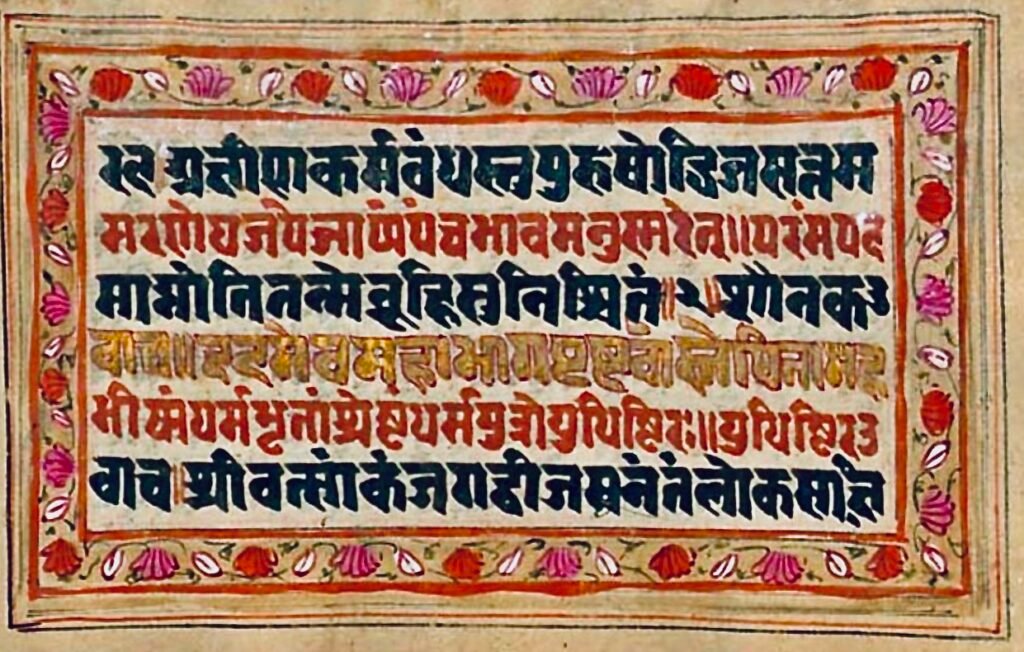
Overview The Bhagavad Gita, often called simply the Gita, is a 700-verse Sanskrit scripture embedded within the sixth book of the Mahabharata, one of the great epics of ancient India. It presents a philosophical dialogue between Prince Arjuna and his charioteer, the god Krishna, delivered on the eve of a great battle. Though framed as
Bhagavad Gita Read More »
The Bhagavad Gita is a 700-verse Hindu scripture presenting a dialogue between Prince Arjuna and the god Krishna on duty and devotion.
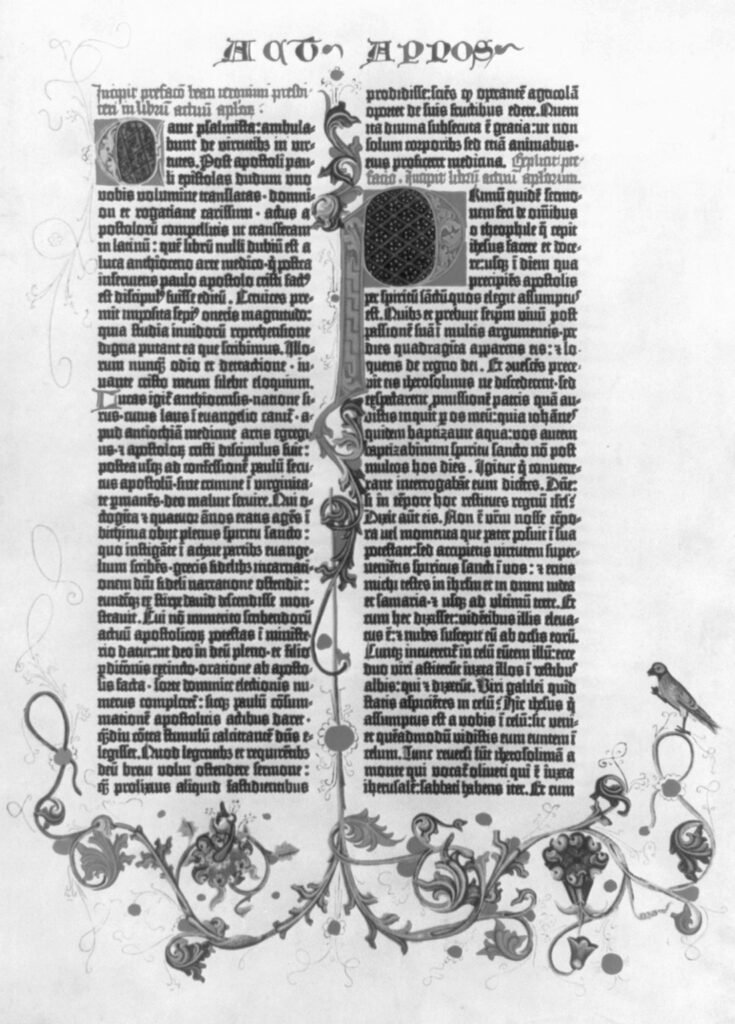
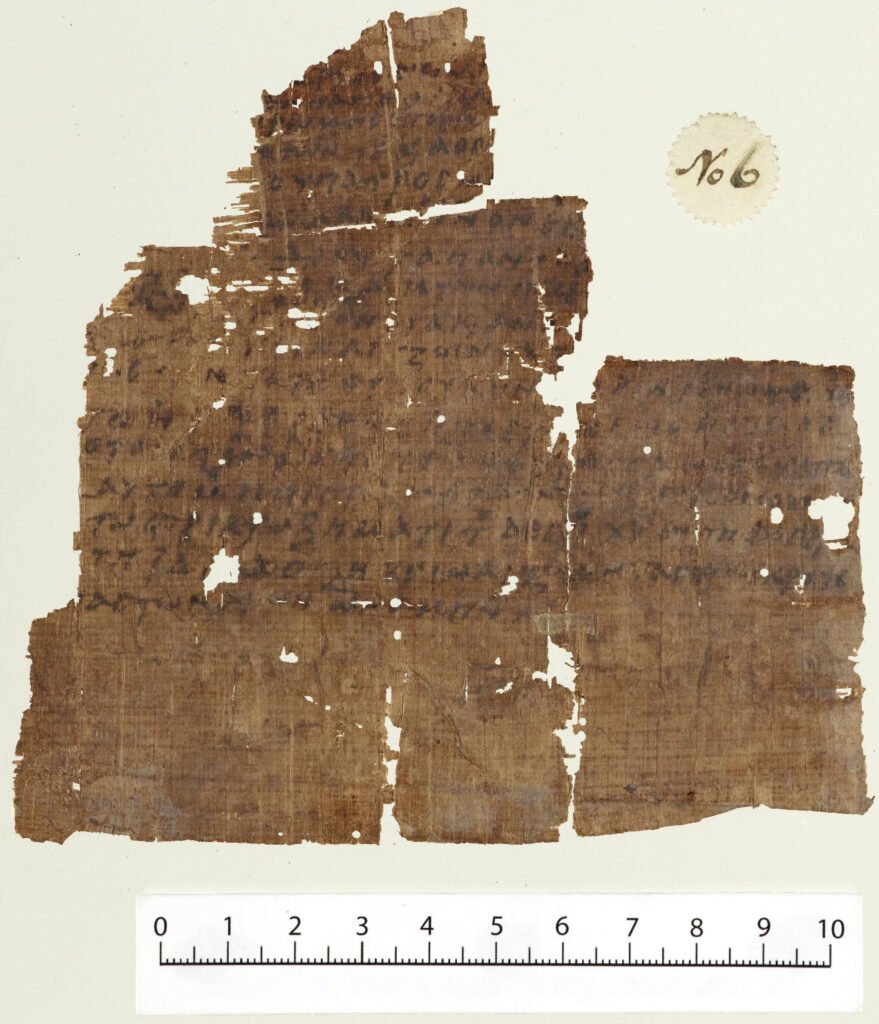
Overview The Bible is the foundational text of Christianity, read also in part as sacred scripture within Judaism. It is not a single book but an anthology of works composed over roughly a thousand years, gathered into a canon that varies somewhat between Catholic, Orthodox, and Protestant traditions. For most Christians it is organized into
Bible Read More »
The Bible is the sacred scripture of Christianity, comprising the Old and New Testaments and shared in part with Judaism.
Overview Comparative religion is the scholarly discipline devoted to examining the beliefs, rituals, institutions, and historical development of multiple religious traditions alongside one another. Rather than approaching religion from within a single confessional standpoint, comparative study seeks to identify recurring patterns, structural similarities, and meaningful differences across traditions as varied as Christianity, Buddhism, Hinduism, and
Comparative Religion Read More »
Comparative religion is the academic study that examines similarities and differences among the beliefs, practices, and institutions of the world religious traditions.
Overview Confucianism is an East Asian tradition of ethical and social thought traced to the teachings of Confucius, a philosopher and teacher who lived in the state of Lu during a period of political fragmentation in ancient China. Rather than focusing on the worship of a single deity, Confucianism concentrates on how individuals should conduct
Confucianism Read More »
An East Asian ethical and philosophical tradition rooted in the teachings of Confucius, stressing moral cultivation, social harmony, and proper relationships.
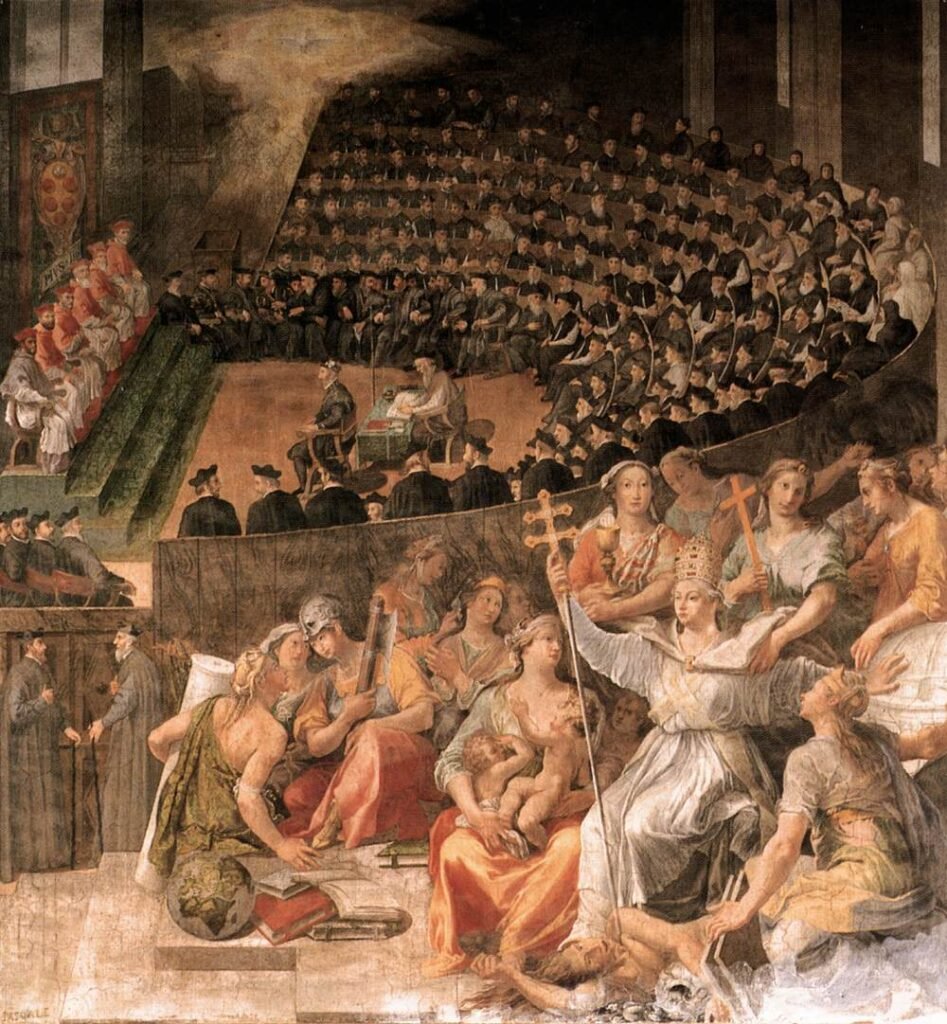
Overview The Counter-Reformation refers to the Catholic Church broad response to the Protestant Reformation, encompassing doctrinal clarification, institutional reform, renewed spiritual and missionary energy, and substantial cultural patronage, unfolding significantly across the sixteenth and seventeenth centuries following the initial Protestant challenge. The Council of Trent The Council of Trent, convened across several sessions between 1545
Counter-Reformation Read More »
The Counter-Reformation was the Catholic Church response to the Protestant Reformation, involving doctrinal clarification, institutional reform, and renewed missionary and cultural activity.
Overview A creed is a formal, typically concise statement of religious belief adopted by a faith community to summarize its core doctrine and provide a shared basis for communal worship and identity. Creeds are often recited collectively during religious services, reinforcing a sense of unity among believers around an agreed set of foundational claims. Historical
Creed Read More »
A formal, often concise statement of religious belief recited or affirmed by members of a faith community as a summary of core doctrine.
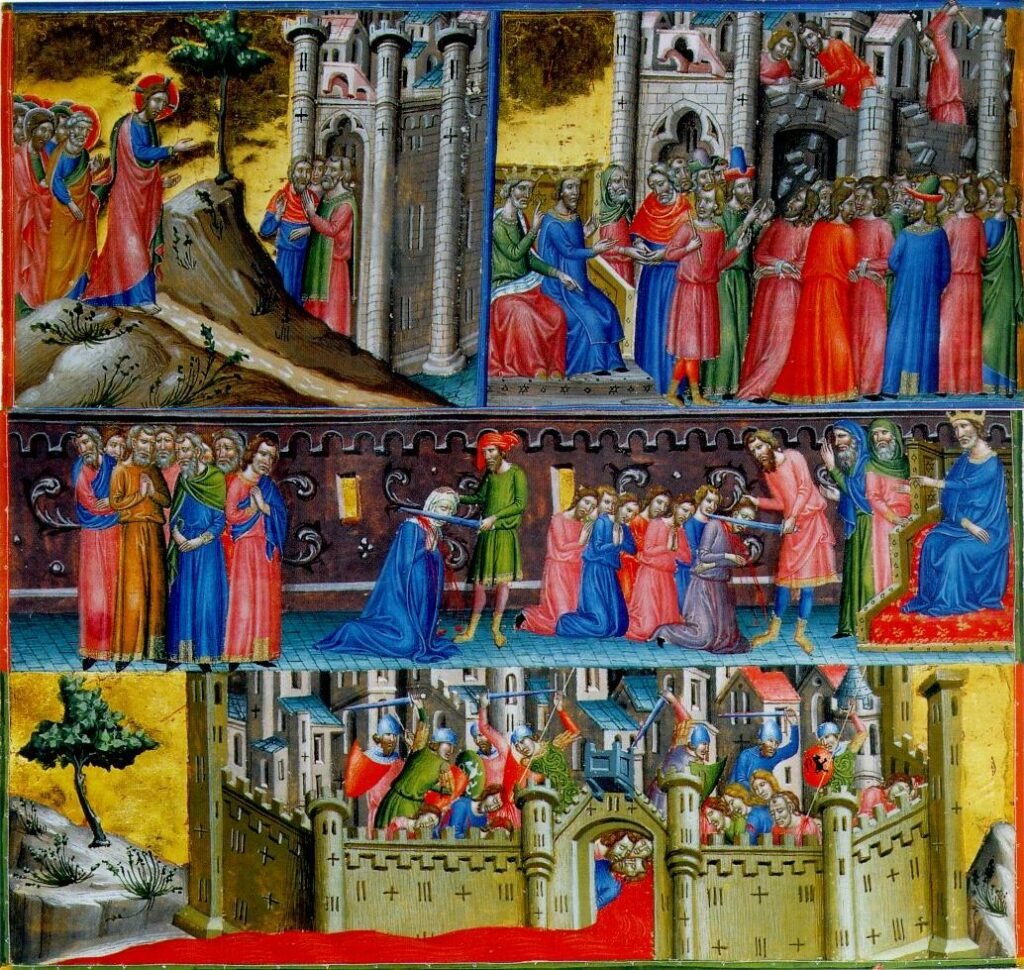
Overview The Crusades were a series of religiously motivated military campaigns, primarily occurring between the eleventh and thirteenth centuries, through which Western European Christian forces sought to recover and defend territory in the Holy Land that had come under Muslim political control in preceding centuries. The First Crusade Pope Urban II call to arms in
Crusades Read More »
The Crusades were a series of religiously motivated military campaigns, primarily between the eleventh and thirteenth centuries, aimed at recovering and defending Christian-held territory in the Holy Land.