Overview
Criminal profiling is an investigative technique in which analysts examine evidence from a crime scene, along with information about the victim and the circumstances of the offense, to construct a description of the likely psychological and behavioral characteristics of an unknown perpetrator. It is most often applied to serious violent crimes, particularly serial offenses such as murder and sexual assault, where traditional investigative leads may be limited.
Development of the technique
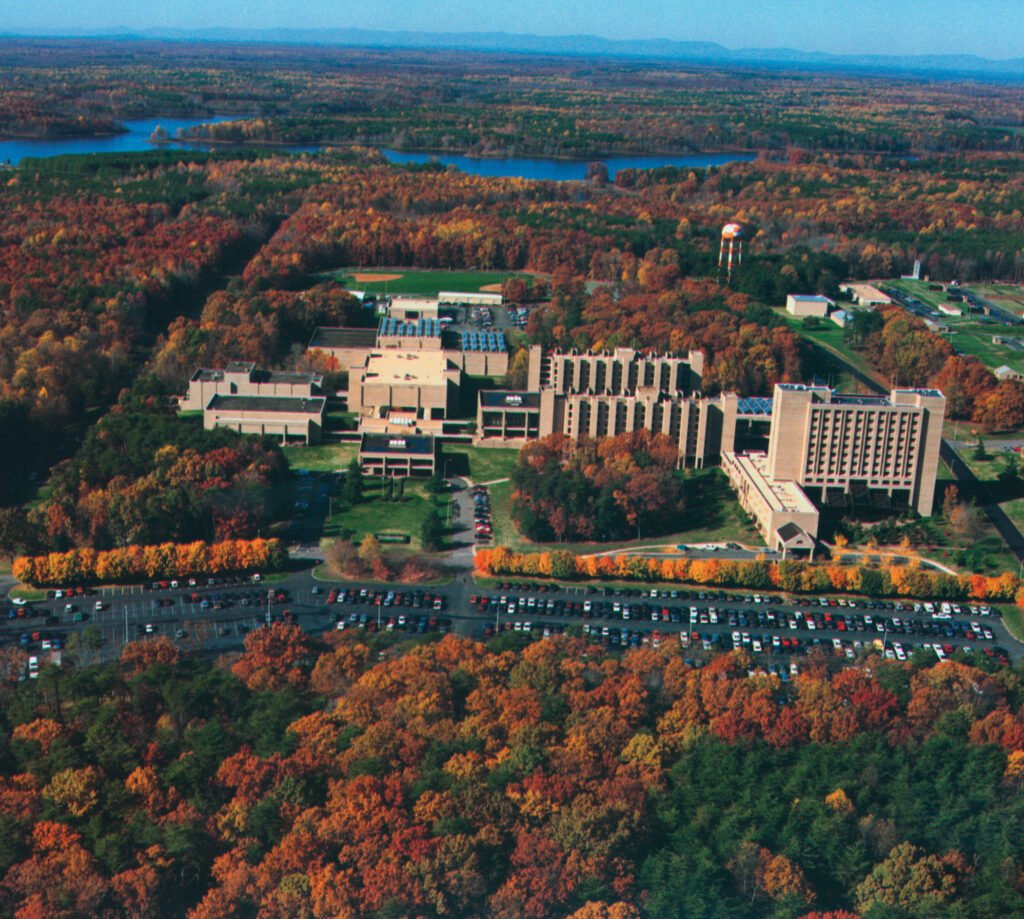
Modern criminal profiling developed significantly through work conducted at the FBI Behavioral Science Unit beginning in the 1970s, where agents interviewed convicted violent offenders to identify patterns that might help investigators understand and anticipate the behavior of similar offenders in future cases. This work helped formalize profiling as a recognized, if specialized, investigative tool.
Methods and applications
Profilers typically analyze factors such as the method of the crime, evidence of planning or impulsivity, the relationship between offender and victim, and any symbolic or ritualistic elements of the offense, using these observations to suggest likely characteristics such as the offenders approximate age, background, or psychological profile, which investigators can then use to prioritize suspects or focus investigative resources.
Scientific criticism
Criminal profiling has faced significant scientific criticism, with some researchers arguing that its underlying assumptions have not been rigorously tested and that its predictive accuracy has not been clearly demonstrated through controlled studies, leading to ongoing debate within both the law enforcement and academic communities about how much weight profiling conclusions should be given in actual investigations.
Organized versus disorganized offenders
Early profiling frameworks developed by investigators often distinguished between organized offenders, who typically plan their crimes carefully and take steps to avoid detection, and disorganized offenders, whose crimes appear more impulsive and leave behind more evidence, with the theory being that these behavioral patterns correlate with different underlying personality characteristics and life circumstances that could help narrow an investigation.
Geographic profiling
A related but distinct technique known as geographic profiling analyzes the locations of a series of related crimes to estimate the likely area where an offender lives or operates from, based on research suggesting that offenders tend to commit crimes within a comfortable distance of their home base while also avoiding committing crimes too close to where they might easily be recognized.
Contemporary use and limitations
Contemporary law enforcement agencies generally treat profiling as one investigative tool among many rather than a definitive method for identifying a specific suspect, recognizing that profiles describe probabilistic tendencies among offenders as a class rather than providing reliable individual predictions, and that over reliance on profiling without corroborating evidence has in some documented cases contributed to investigators focusing inappropriately on individuals who did not match the eventual offender.
Role in popular culture
Criminal profiling has become a prominent subject in popular television shows and films, often depicting profilers with a level of precision and certainty that exceeds what the underlying science can reliably support, a portrayal that some researchers argue has shaped public and even some law enforcement expectations about what profiling can realistically achieve in an actual investigation.
Training and certification
Formal training in criminal profiling has developed considerably since its early informal origins, with specialized units and training programs now offering structured instruction in behavioral analysis techniques, though no single universally recognized certification exists across all jurisdictions, resulting in considerable variation in how rigorously different agencies train and credential personnel who perform profiling work.
Ethical considerations
The use of profiling raises distinct ethical considerations, particularly concerns that behavioral profiles, if applied carelessly, could reinforce stereotypes based on race, mental illness, or other characteristics rather than genuinely predictive behavioral indicators, prompting ongoing efforts within the profiling community to ground conclusions in demonstrated behavioral evidence rather than demographic assumptions.
Relationship to behavioral analysis units
Many large law enforcement agencies maintain specialized behavioral analysis units that handle profiling alongside related tasks such as threat assessment and hostage negotiation support, reflecting an institutional recognition that behavioral expertise, while limited as a standalone investigative tool, can still provide valuable supporting insight when integrated carefully with other investigative evidence.
Future research directions
Ongoing academic research continues to examine which specific elements of criminal profiling, if any, demonstrate genuine predictive value when tested against actual case outcomes, with some researchers advocating for more rigorous, statistically grounded approaches that could eventually replace or substantially refine the more intuitive profiling methods developed in earlier decades.
Closing observation
Criminal profiling will likely continue to occupy a contested but persistent place within investigative practice, valued by some practitioners as a useful supplementary tool while continuing to face scrutiny from researchers seeking stronger empirical grounding for its underlying claims.
That tension between practical usefulness and scientific rigor is unlikely to be fully resolved anytime soon.
Final note
As behavioral science methods continue to mature, some researchers hope that future profiling approaches will rest on a stronger empirical foundation than the largely experience based methods that defined the techniques earliest decades of development.
Whether that goal is fully achieved remains an open question actively pursued by researchers in the field.
Most practitioners view it as a modest supplementary tool rather than a primary method for identifying a specific suspect.
It continues to evolve alongside broader advances in behavioral and forensic science.
It is likely to remain a contested but persistent part of investigative practice for years to come.
Few expect that contested status to be fully resolved anytime soon.
Few expect that contested status to be fully resolved anytime soon.
Its basic appeal has outlasted many generations of changing investigative technology and method.
Key facts
- Array
Quick checkWhat is the primary goal of criminal profiling in an investigation?Show answer
Criminal profiling aims to narrow the pool of potential suspects by inferring likely characteristics of an unknown offender, such as personality traits, behavioral patterns, or demographic features, based on analysis of crime scene evidence and victim information.
Sources
- Array
Editorially reviewed by Specialty Digest Editorial TeamLast reviewed November 4, 2026Researched and drafted with AI assistanceReport an issue