Overview Community policing is a philosophy and strategy of law enforcement that emphasizes building sustained partnerships between police officers and the communities they serve. Rather than focusing narrowly on responding to individual crimes after they occur, community policing seeks to identify and address the underlying conditions that contribute to crime and disorder in a given
Community Policing Read More »
Community policing is a strategy that emphasizes building collaborative relationships between police and the neighborhoods they serve to proactively identify and address the causes of crime and disorder.
Overview Crime prevention refers to the broad range of strategies intended to reduce the likelihood that crime will occur in the first place, as opposed to responding to crimes after they have been committed. These strategies span multiple approaches, from altering the physical environment to addressing social and economic conditions associated with criminal behavior. Situational
Crime Prevention Read More »
Crime prevention encompasses the strategies and programs aimed at reducing the occurrence of crime before it happens, rather than responding to crime after it has already taken place.
Overview Criminal investigation is the structured process law enforcement agencies use to determine whether a crime has been committed and, if so, to identify and build a case against the individuals responsible. It combines the systematic collection of physical evidence, the gathering of witness and victim statements, and increasingly the analysis of digital records and
Criminal Investigation Read More »
Criminal investigation is the systematic process of gathering, documenting, and analyzing evidence to determine whether a crime occurred and to identify the individuals responsible for it.
Overview Criminal profiling is an investigative technique in which analysts examine evidence from a crime scene, along with information about the victim and the circumstances of the offense, to construct a description of the likely psychological and behavioral characteristics of an unknown perpetrator. It is most often applied to serious violent crimes, particularly serial offenses
Criminal Profiling Read More »
Criminal profiling is an investigative technique that uses behavioral and psychological analysis of crime scene evidence to develop a description of the likely characteristics of an unknown offender.
Overview Forensic science applies methods from biology, chemistry, physics, and other scientific disciplines to questions arising in criminal and civil legal proceedings, most commonly the analysis of physical evidence collected from crime scenes. It plays a central role in modern criminal investigation, helping to establish facts such as the identity of a perpetrator, the cause
Forensic Science Read More »
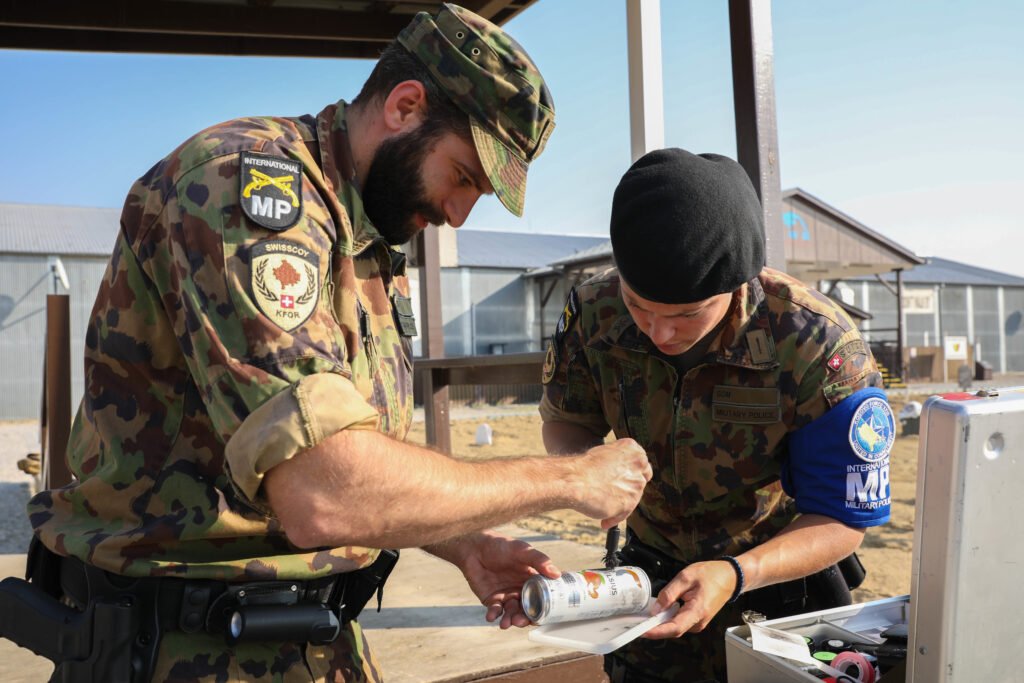
Forensic science is the application of scientific methods and techniques to the investigation of crime, including the analysis of physical evidence such as DNA, fingerprints, and trace materials.
Overview Miranda rights refer to a set of warnings that police officers in the United States are constitutionally required to give before questioning a suspect who is in custody, informing the individual of their right to remain silent, that anything they say can be used against them in court, and their right to have an
Miranda Rights Read More »
Miranda rights are the set of warnings that police in the United States must give to a suspect in custody before conducting an interrogation, informing them of their right to remain silent and to have an attorney present.
Overview Police accountability encompasses the range of mechanisms intended to ensure that officers and agencies exercise their authority lawfully and that misconduct, when it occurs, is identified and addressed. These mechanisms operate at multiple levels, from internal departmental review to external civilian oversight and the broader legal system. Internal mechanisms Most police departments maintain internal
Police Accountability Read More »
Police accountability refers to the systems, policies, and institutions designed to ensure that law enforcement officers and agencies act within the law and can be held responsible for misconduct.
Overview Police patrol refers to the continuous movement of officers through an assigned geographic area, whether on foot, in vehicles, or using other means such as bicycles or horses, with the goals of deterring crime, maintaining public order, and responding quickly to calls for service. Patrol remains the largest single function within most police departments
Police Patrol Read More »
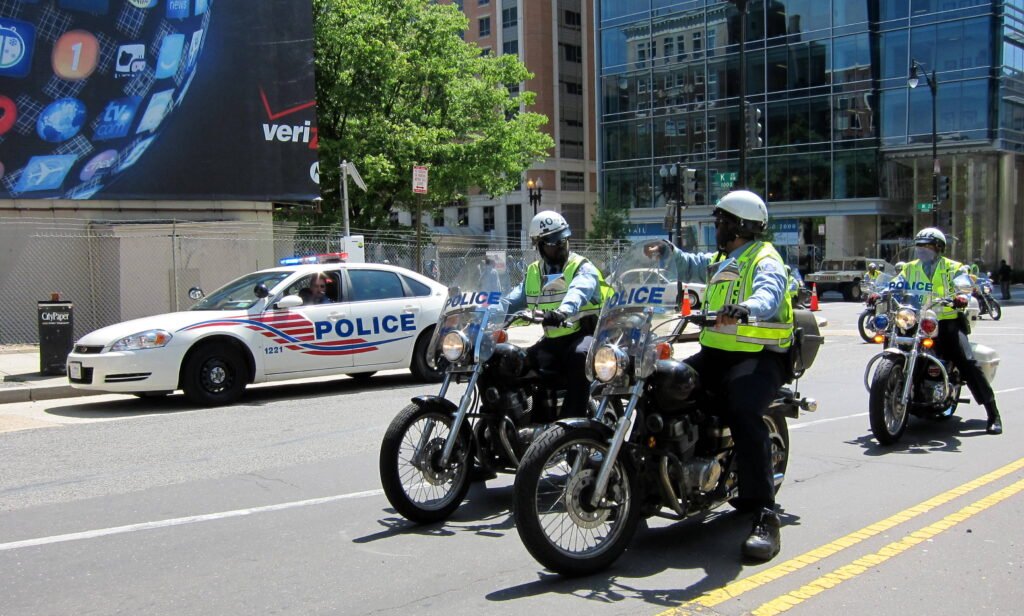
Police patrol is the practice of officers moving through an assigned area on foot, in vehicles, or by other means to deter crime, respond to calls for service, and maintain visible police presence.
Overview Search and seizure law governs the circumstances under which government officials, most commonly police, may examine a persons body, vehicle, home, or belongings and take possession of items found during that examination. In the United States, this area of law is rooted primarily in the Fourth Amendment to the Constitution, which protects against unreasonable
Search and Seizure Read More »
Search and seizure refers to the legal rules governing when law enforcement officers may examine a person, vehicle, or property and take possession of evidence or contraband found during that examination.
Overview Use of force describes the physical, mechanical, or in some cases lethal means that law enforcement officers may lawfully apply in the course of their duties, including to make an arrest, restrain an individual, or protect themselves or others from harm. Because force by its nature carries risk of injury, its use is subject
Use of Force Read More »
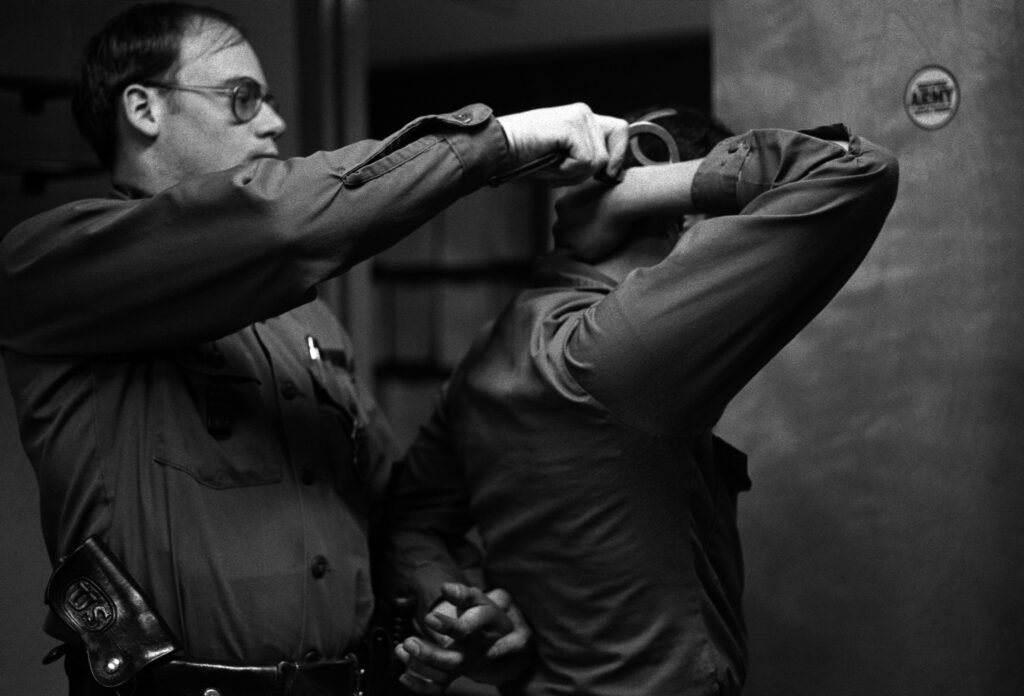
Use of force refers to the physical or mechanical compulsion that law enforcement officers are legally permitted to apply when necessary to control a situation, make an arrest, or protect themselves or others.