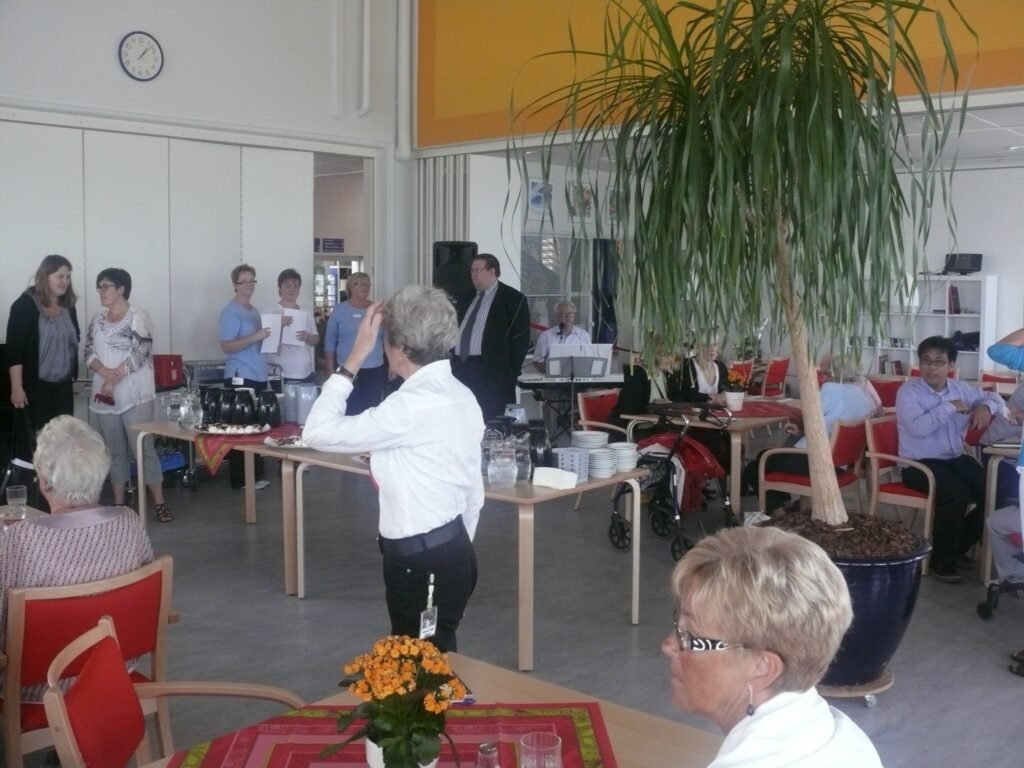
Dementia care encompasses specialized care approaches designed to meet the unique needs of people living with dementia, a category of conditions involving progressive decline in memory, thinking, and daily functioning, with Alzheimers disease standing as the most common underlying cause. Effective dementia care differs substantially from standard elder care due to the cognitive and behavioral challenges dementia presents.
Person-Centered Approaches
Modern dementia care practice generally favors person-centered approaches that adapt to an individuals remaining abilities, preferences, and life history, rather than imposing rigid routines or correcting a person when their memory or perception does not match objective reality. This approach, sometimes summarized as meeting the person where they are, has largely replaced older models that prioritized strict schedules and constant reality correction.
Specialized Memory Care Settings
Many assisted living communities and nursing facilities now offer dedicated memory care units, designed with features such as secured exits to prevent wandering, simplified layouts to reduce confusion, and staff trained specifically in dementia-related behaviors and communication techniques, reflecting a recognition that standard elder care environments are not always well suited to the specific challenges dementia presents.
Communication Techniques
Effective dementia care relies heavily on communication techniques adapted to cognitive decline, including using simple, clear language, maintaining a calm and reassuring tone even during repeated questions, and avoiding direct correction when a person expresses a belief that does not match current reality, since correction often increases distress without achieving genuine understanding.
Supporting Family Caregivers of People With Dementia
Dementia caregiving carries documented higher rates of caregiver stress and burnout compared to caregiving for other conditions, driven partly by the progressive nature of cognitive decline and the behavioral challenges that can accompany it, making specialized dementia caregiver support programs and dementia-specific respite care particularly valuable resources for this caregiver population.
Early Diagnosis and Planning
Early diagnosis of dementia allows a person and their family to engage in planning while the person can still meaningfully participate in decisions about their own future care, finances, and legal arrangements, an opportunity that is lost if diagnosis is delayed until cognitive decline has progressed to the point where the person can no longer participate in these decisions.
Ongoing Research and Treatment Developments
Research into dementia treatments has advanced in recent years, including new medications targeting the underlying biological processes associated with Alzheimers disease, though these treatments generally slow rather than reverse progression, meaning that comprehensive, person-centered care approaches remain essential regardless of advances in pharmaceutical treatment.
Looking Ahead
As the population living with dementia continues to grow alongside an aging society, the demand for well-trained dementia care providers and accessible, affordable memory care options is likely to intensify, making continued investment in both direct care training and caregiver support an increasingly urgent priority for the broader care system.
Safety Considerations
Dementia care must account for specific safety risks, including wandering, medication mismanagement, and increased fall risk as spatial awareness and judgment decline, requiring both physical environment adaptations and vigilant caregiver attention that can be exhausting to sustain over the often lengthy course of progressive dementia.
Legal and Financial Capacity Considerations
As dementia progresses, questions often arise about a persons legal capacity to make financial and healthcare decisions, making early completion of powers of attorney and other legal documents, ideally while the person can still meaningfully participate, an important step that families are generally advised to prioritize soon after diagnosis rather than waiting until a crisis forces the issue.
Thoughtful early planning, paired with person-centered daily care, offers the most dignified and manageable path through the challenges dementia presents for both the person affected and their family.
Nutrition and Daily Living Support
Dementia frequently affects a persons ability to manage nutrition and basic daily routines independently, requiring caregivers to monitor eating patterns, simplify meal preparation and other daily tasks, and adapt expectations as abilities change over the course of the condition, adjustments that require ongoing flexibility rather than a fixed care plan established once and left unchanged.
Looking Ahead
As the number of people living with dementia continues to rise alongside an aging global population, health systems are investing in earlier diagnosis tools, specialized dementia care training for frontline workers, and dementia-friendly community initiatives that help people remain engaged in public life longer. Research into disease-modifying treatments continues, though questions about access, cost, and appropriate candidates for emerging therapies remain unresolved. Meanwhile, family caregivers of people with dementia continue to shoulder a disproportionate share of unpaid care, underscoring the ongoing need for respite services, caregiver training, and support groups tailored specifically to the unique challenges of dementia caregiving.
Building a Support Network
Families caring for someone with dementia benefit from connecting early with local support groups and dementia care specialists, who can offer practical guidance before a crisis forces reactive decision-making.
Behavioral changes such as wandering, agitation, or sundowning often pose greater day-to-day caregiving challenges than memory loss itself, and specialized training can help caregivers respond more effectively.
Adult day programs and in-home respite services designed specifically for dementia care can give family caregivers scheduled breaks while ensuring their relative remains in a safe, engaging environment.
Clear, simple communication techniques, such as using short sentences and allowing extra time for responses, can reduce frustration for both the person with dementia and the caregiver during daily interactions.
Safety modifications in the home, such as removing tripping hazards and securing medications, become increasingly important as dementia progresses and a person ability to recognize risk diminishes.
Driving safety is another common concern, and many families find it easier to involve a physician or occupational therapist in the conversation about stopping driving rather than raising the issue alone.
Key facts
- Array
In the news
Quick checkWhat is the most common cause of dementia?Show answer
Alzheimers disease.
Sources
- Array
Editorially reviewed by Specialty Digest Editorial TeamLast reviewed November 4, 2026Researched and drafted with AI assistanceReport an issue