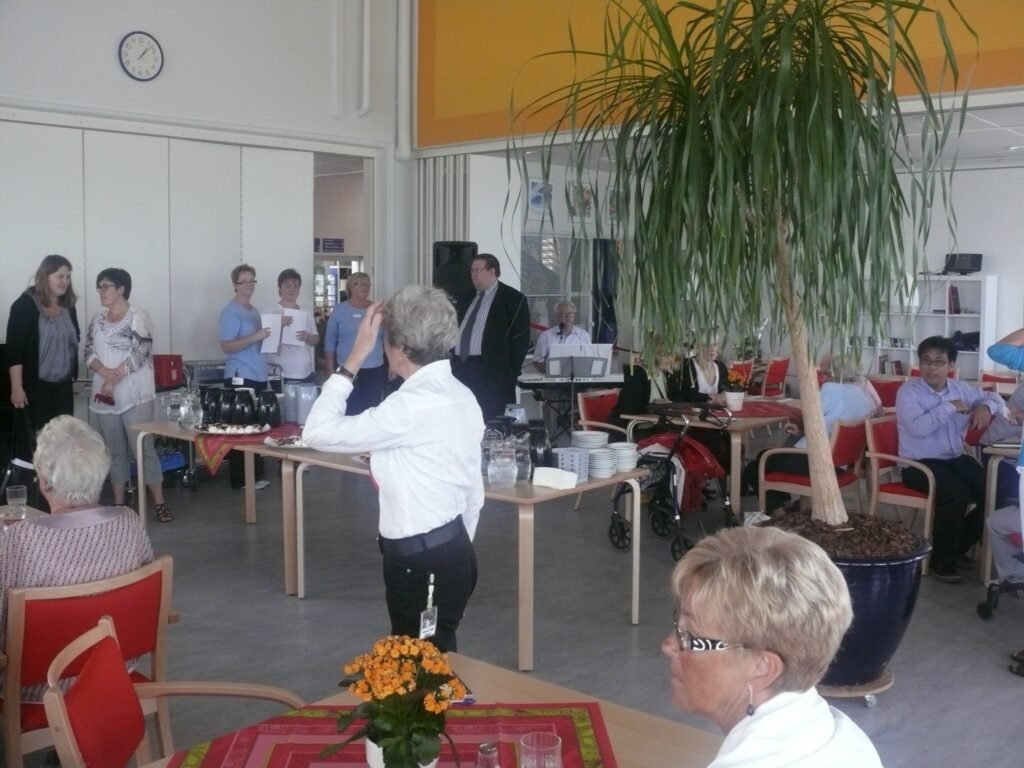
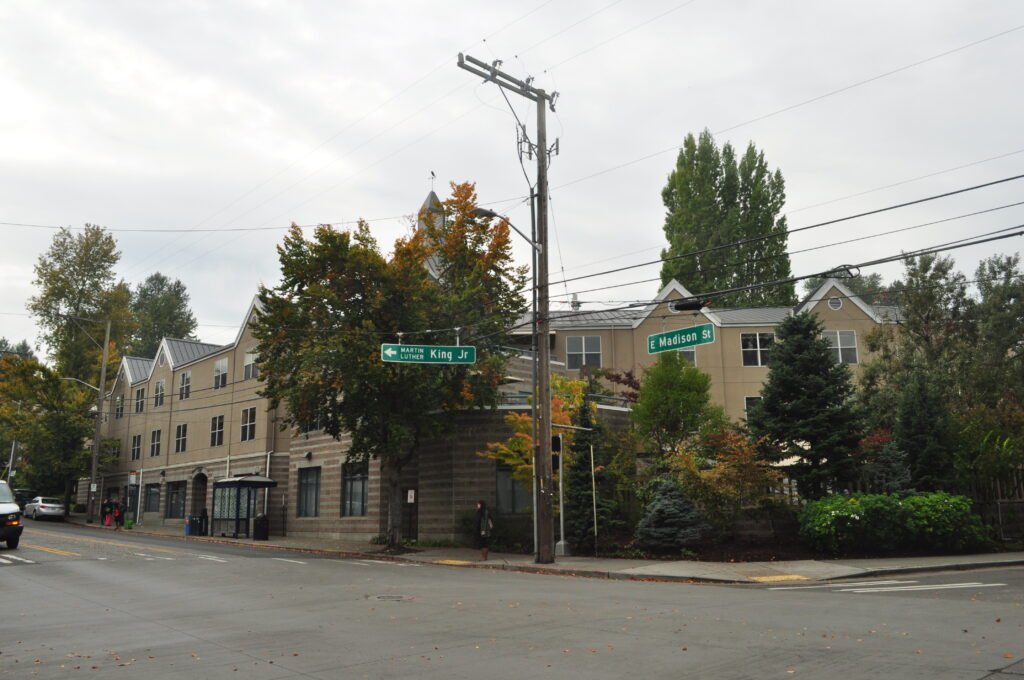
Adult day programs are structured daytime programs that provide supervision, social activities, and sometimes health services for older adults who need support but do not require round-the-clock residential care. These programs typically operate during standard weekday business hours, allowing family caregivers to work, run errands, or simply rest while their relative is safely engaged elsewhere.
Adult Day Programs Read More »
Structured daytime programs that provide supervision, social activities, and sometimes health services for older adults, allowing family caregivers to work or rest.
Aging in place describes the ability to live safely and independently in ones own home and community as one grows older, rather than relocating to an institutional care setting such as a nursing facility. Surveys of older adults consistently find this to be the strongly preferred option, driving demand for services and home modifications that
Aging in Place Read More »
The ability to live safely and independently in ones own home and community as one grows older, rather than moving to an institutional care setting.
Assisted living is a residential care setting that provides housing along with help with daily activities, such as bathing, dressing, and medication management, for people who need some support but not the intensive, round-the-clock skilled medical care that a nursing home provides. It generally falls between fully independent living and nursing home care on the
Assisted Living Read More »
A residential care setting that provides housing along with help with daily activities for people who need some support but not intensive medical care.
Caregiver support programs are services designed to support the family members and friends who provide unpaid care to an aging or disabled loved one, a group that collectively provides the vast majority of long-term care hours delivered in the United States, far exceeding the hours provided by paid professional caregivers. Common Support Services Respite care,
Caregiver Support Programs Read More »
Services designed to support the family members and friends who provide unpaid care to an aging or disabled loved one.
Dementia care encompasses specialized care approaches designed to meet the unique needs of people living with dementia, a category of conditions involving progressive decline in memory, thinking, and daily functioning, with Alzheimers disease standing as the most common underlying cause. Effective dementia care differs substantially from standard elder care due to the cognitive and behavioral
Dementia Care Read More »
Specialized care approaches designed to meet the unique needs of people living with dementia, including Alzheimers disease and related conditions.
Elder abuse prevention encompasses efforts to identify, stop, and prevent physical, emotional, financial, or neglectful harm to older adults, which is frequently perpetrated by a family member or caregiver the older person depends on and trusts. This dependency often makes elder abuse particularly difficult to detect and address compared to abuse by a stranger. Forms
Elder Abuse Prevention Read More »
Efforts to identify, stop, and prevent physical, emotional, financial, or neglectful harm to older adults, often by a caregiver or family member.
Geriatric care management is a professional service that helps older adults and their families navigate the often complex array of healthcare, housing, and social service decisions that arise as a person ages. Geriatric care managers are typically licensed social workers or nurses with specialized training in aging-related needs and the local service landscape. Common Services
Geriatric Care Management Read More »
A professional service that helps older adults and their families navigate healthcare, housing, and social service decisions related to aging.
Hospice and palliative care are related but distinct approaches to medical care focused on comfort and quality of life for people with serious illness, rather than treatment aimed at curing the underlying condition. Both emphasize managing pain and other symptoms, but they differ in eligibility and how they fit alongside other medical treatment. Distinguishing the
Hospice and Palliative Care Read More »
Specialized medical care focused on comfort and quality of life for people with serious or terminal illness, rather than curative treatment.
Long-term care refers to ongoing support services for people who need help with daily activities over an extended period, due to aging, chronic illness, or disability. Unlike acute medical care aimed at curing a specific condition, long-term care focuses on helping someone manage daily functioning, which may continue indefinitely. Settings for Care Long-term care spans
Long-Term Care Read More »
Ongoing support services for people who need help with daily activities over an extended period due to aging, illness, or disability.
Social Security retirement benefits are monthly payments provided by the federal government to retired workers, based on a formula applied to a workers highest-earning years over their career. The program also provides benefits to certain family members, including spouses and, in some cases, dependent children of a retired or deceased worker. Full Retirement Age and
Social Security and Retirement Benefits Read More »
The federal program that provides monthly income to retired workers and certain family members based on a workers earnings history.