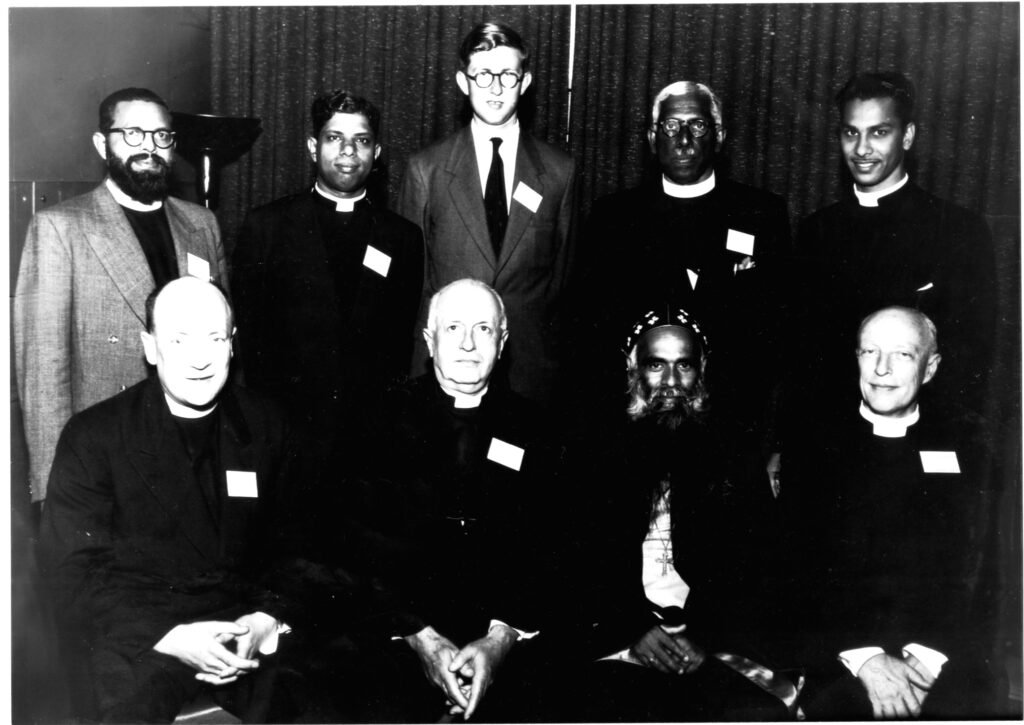
Overview
Ecumenism is the movement within Christianity dedicated to fostering greater unity, mutual understanding, and practical cooperation among the many denominations into which the Christian church has historically divided. It addresses divisions dating back to ancient schisms as well as the sixteenth century Reformation, which produced numerous distinct Protestant traditions alongside the Roman Catholic and Orthodox churches.
Historical Development
Organized ecumenical efforts expanded considerably during the twentieth century, culminating in the founding of the World Council of Churches in 1948, which brought together representatives from many Protestant and Orthodox traditions. The Roman Catholic Church, while not initially a member, substantially increased its own ecumenical engagement following the Second Vatican Council in the 1960s.
Goals and Approaches
Ecumenical initiatives pursue goals ranging from formal doctrinal dialogue aimed at resolving historical theological disagreements to practical cooperation on shared social concerns, joint worship services, and mutual recognition of sacraments such as baptism across denominational lines. Different ecumenical bodies emphasize different combinations of these goals depending on their membership and mission.
Achievements and Limits
Ecumenical dialogue has produced significant joint statements narrowing historical theological gaps between major traditions, and has fostered considerably warmer relations between denominations that once viewed each other with suspicion or hostility. Full structural reunification between major traditions, however, remains rare, and some denominations continue to view ecumenical engagement with caution or reluctance.
Institutional Structures
Beyond the global World Council of Churches, numerous national and regional ecumenical councils coordinate cooperation among member denominations within particular countries, often focusing on shared social action, joint theological education, and coordinated responses to local or national concerns facing Christian communities.
Role Today
Ecumenism continues to shape relationships among Christian denominations worldwide, supporting cooperative witness and mutual respect even where full doctrinal agreement remains elusive, and continuing to adapt its priorities in response to contemporary global and social challenges.
Doctrinal Dialogue in Practice
Formal ecumenical dialogue has produced notable joint statements addressing historically divisive theological questions, including agreements on justification between Lutheran and Catholic representatives, demonstrating that careful sustained dialogue can narrow gaps once considered unbridgeable, even where full consensus remains elusive on every point of disagreement.
Such agreements typically result from years of patient theological work conducted by specially appointed commissions, whose findings must then be formally received and endorsed by the governing bodies of participating denominations before they carry practical institutional weight within those communities.
Local Ecumenical Cooperation
At the congregational level, ecumenical cooperation often takes more modest and practical forms, including shared community service projects, joint worship services during significant occasions, and cooperative use of church buildings and resources among congregations from different denominations within the same local area.
Ecumenism and Global Christianity
As Christianity continues to grow substantially in regions such as Africa, Asia, and Latin America, ecumenical organizations increasingly grapple with questions of representation and leadership, working to ensure that bodies historically dominated by European and North American denominations adequately reflect the shifting global center of Christian population and theological creativity.
This shifting demographic landscape has introduced new theological perspectives and priorities into ecumenical conversation, sometimes challenging assumptions and agendas that shaped the movement during its mid-twentieth century founding period in a predominantly Western institutional context.
Relationship to Interfaith Work
While distinct from interfaith dialogue, ecumenical and interfaith efforts often intersect in practice, since organizations and individuals engaged in promoting unity among Christian denominations frequently also participate in broader interfaith initiatives addressing relationships between Christianity and other world religions.
This intersection continues to shape how religious cooperation is pursued across both Christian and interfaith contexts today.
Youth Engagement
Many ecumenical organizations have placed growing emphasis on engaging younger generations, recognizing that denominational identity and historical grievances often carry less emotional weight for younger adherents, potentially creating more favorable conditions for continued progress toward unity in coming decades.
Whether this generational shift translates into lasting structural change remains an open and closely watched question among those tracking the movement future.
Closing Note
Ecumenism remains a defining feature of modern Christian life, continuing to shape how denominations once separated by deep historical divisions relate to one another today.
Its progress, however uneven, reflects a genuine and sustained desire among many Christians for greater unity across historical divides.
Shared Challenges
Ecumenical bodies increasingly address shared challenges facing Christian communities broadly, including declining attendance in some regions and responses to pressing global issues, finding that practical cooperation on such concerns can sometimes advance faster than resolution of historic doctrinal disagreements.
This practical convergence offers one promising path toward deeper unity even where theological consensus remains distant.
Closing Thought
Ecumenism progress, measured patiently over generations, continues to narrow historic divides within global Christianity.
Each small step toward shared understanding builds a foundation that future generations of church leaders can continue to build upon.
Final Note
The movement patient, decades-long work continues to bear fruit in ways not always visible in any single year.
That patient labor continues steadily behind the scenes.
More progress is expected in the years just ahead.
Final Thought
Church leaders across traditions continue to view this patient labor as worthwhile, even when visible progress comes slowly and unevenly across different regions and denominations.
Many expect that progress to continue.
Many expect that progress to continue steadily in the decades still ahead, even without any dramatic single breakthrough moment.
Patience remains the watchword here.
It continues, step by patient step, across many denominations worldwide.
Many hope for continued and deepening cooperation across Christian traditions worldwide in the years immediately ahead.
That hope keeps the movement work moving steadily forward each year.
Key facts
- Array
Quick checkHow does ecumenism differ from interfaith dialogue?Show answer
Ecumenism specifically concerns unity and cooperation among different Christian denominations, while interfaith dialogue addresses relationships between entirely separate world religions.
Sources
- Array
Editorially reviewed by Specialty Digest Editorial TeamLast reviewed November 4, 2026Researched and drafted with AI assistanceReport an issue