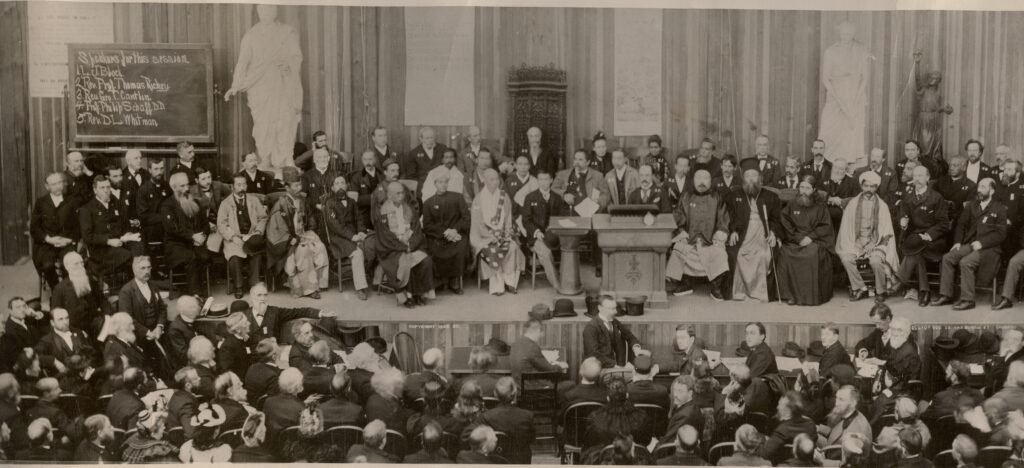
Overview Comparative religion is the scholarly discipline devoted to examining the beliefs, rituals, institutions, and historical development of multiple religious traditions alongside one another. Rather than approaching religion from within a single confessional standpoint, comparative study seeks to identify recurring patterns, structural similarities, and meaningful differences across traditions as varied as Christianity, Buddhism, Hinduism, and
Comparative Religion Read More »
Comparative religion is the academic study that examines similarities and differences among the beliefs, practices, and institutions of the world religious traditions.
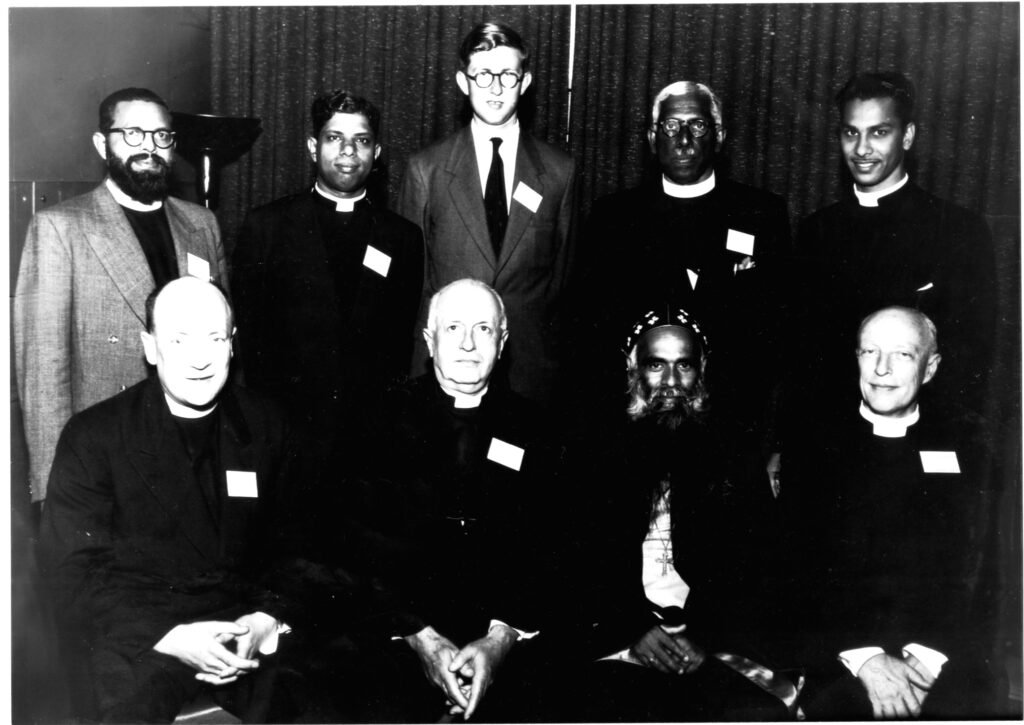
Overview Ecumenism is the movement within Christianity dedicated to fostering greater unity, mutual understanding, and practical cooperation among the many denominations into which the Christian church has historically divided. It addresses divisions dating back to ancient schisms as well as the sixteenth century Reformation, which produced numerous distinct Protestant traditions alongside the Roman Catholic and
Ecumenism Read More »
Ecumenism is the movement within Christianity aimed at promoting unity and cooperation among different Christian denominations.
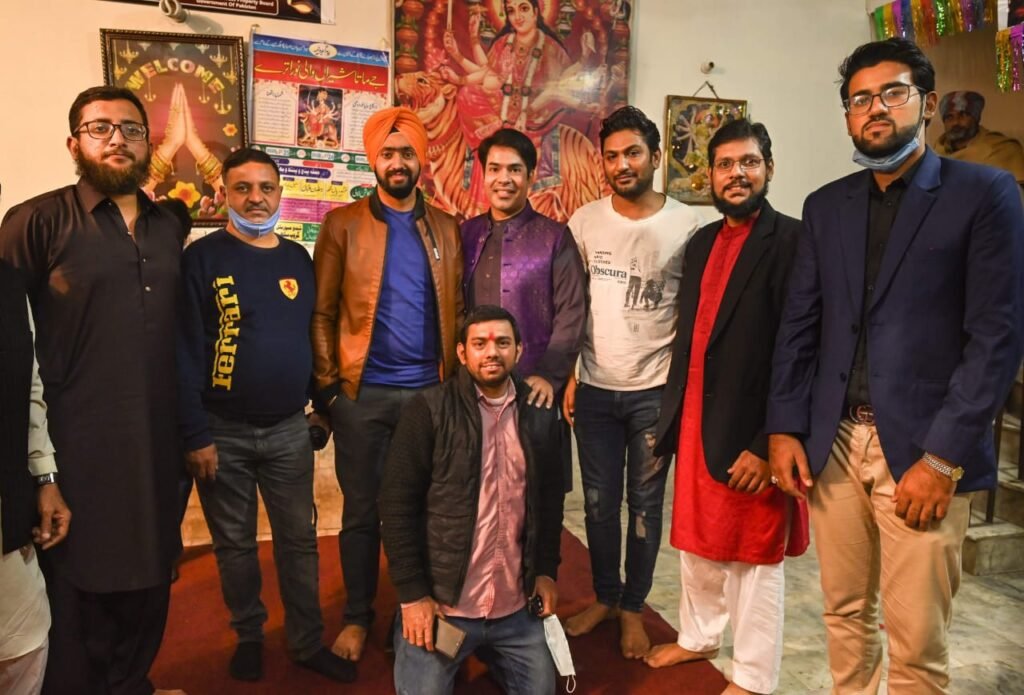
Overview Interfaith dialogue refers to structured conversation and cooperative engagement between adherents of different religious traditions, undertaken with the goal of building mutual understanding, respect, and often practical cooperation on shared concerns. It is explicitly distinguished from missionary activity, since its purpose is not to persuade participants to change their religious commitments. Historical Development While
Interfaith Dialogue Read More »
Interfaith dialogue is organized conversation and cooperation between people of different religious traditions aimed at mutual understanding and shared action.
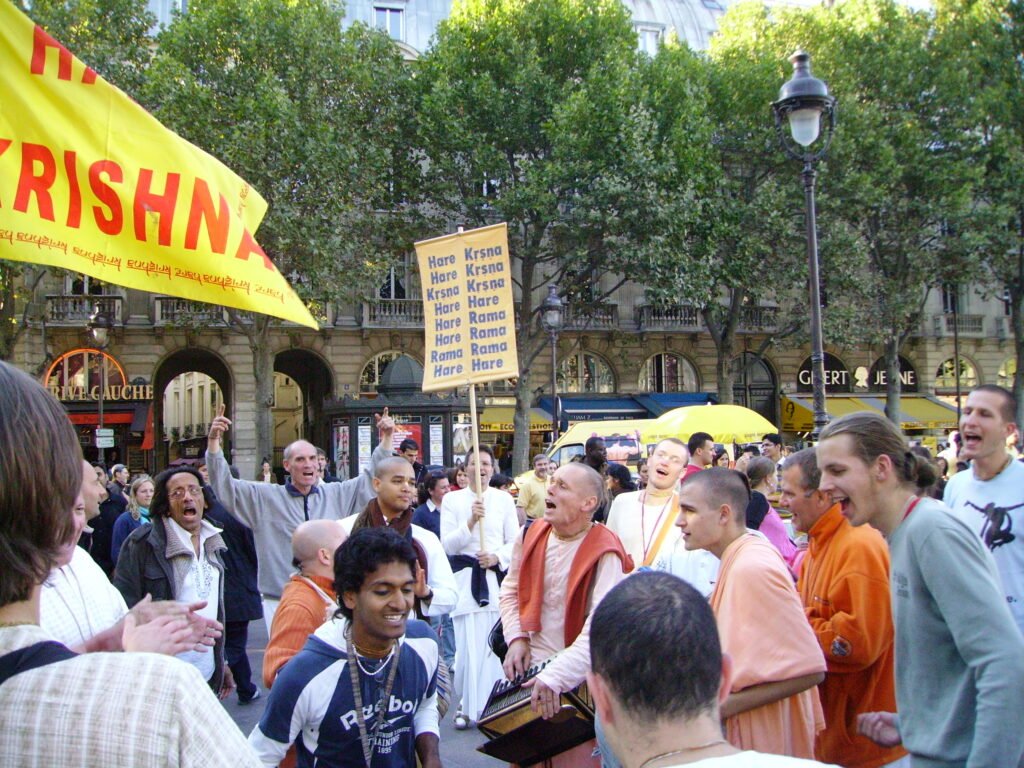
Overview A new religious movement is a religious or spiritual group whose origins can typically be traced to the modern period and which exists outside long-established mainstream traditions. Scholars adopted this term partly to replace the more popular but value-laden word cult, which tends to carry strongly negative connotations that can interfere with careful, neutral
New Religious Movement Read More »
A new religious movement is a religious or spiritual group with origins typically traceable to the modern period, existing outside established mainstream traditions.
Overview The phenomenology of religion is a methodological approach within religious studies that aims to describe religious experience, symbol, and expression as they present themselves to believers, deliberately setting aside, or bracketing, questions about the objective truth or falsity of the beliefs being described. This approach prioritizes careful, empathetic description over causal or reductive explanation.
Phenomenology of Religion Read More »
The phenomenology of religion is an approach to religious studies that seeks to describe religious experience and expression as they appear to believers, before explanatory judgment.
Overview Religious exclusivism is the theological position holding that only one particular religious tradition provides true or complete access to ultimate reality, salvation, or liberation, with other traditions regarded as lacking this access in some significant respect. It stands as one of three commonly distinguished positions regarding the relationship between a tradition and others, alongside
Religious Exclusivism Read More »
Religious exclusivism is the position that only one religious tradition holds true or complete access to ultimate truth and salvation.
Overview Religious pluralism refers both to the social fact that multiple religious traditions exist within a shared society and, in a stronger philosophical sense, to the position that several traditions can offer genuinely legitimate paths toward truth, salvation, or ultimate meaning. This second, normative sense distinguishes pluralism from the merely descriptive observation that religious diversity
Religious Pluralism Read More »
Religious pluralism is the view or social condition in which multiple religious traditions coexist and are recognized as holding legitimate claims to truth or value.
Overview The distinction between the sacred and the profane names one of the most influential conceptual frameworks in the academic study of religion, separating what a community sets apart as holy, powerful, and worthy of special treatment from what belongs to the realm of ordinary, unmarked everyday life. This dichotomy has shaped how scholars analyze
Sacred and Profane Read More »
The sacred and the profane is a foundational distinction in religious studies between what is set apart as holy and powerful and what belongs to ordinary, everyday life.
Overview Secularization refers to the process through which religious institutions, beliefs, and practices progressively lose the social authority and influence they once held within a given society, often associated with broader processes of modernization, urbanization, and the rise of scientific and technological rationality. The concept occupies a central place in sociology of religion. The Classical
Secularization Read More »
Secularization is the historical process by which religious institutions, beliefs, and practices lose social influence and authority within a society.
Overview Syncretism describes the process by which elements from two or more distinct religious traditions combine to form new beliefs, rituals, or symbolic systems. Rather than one tradition simply replacing another, syncretism produces a genuinely blended result in which features from multiple sources become integrated, sometimes so thoroughly that practitioners no longer experience them as
Syncretism Read More »
Syncretism is the blending of elements from two or more religious traditions into a new combined set of beliefs and practices.