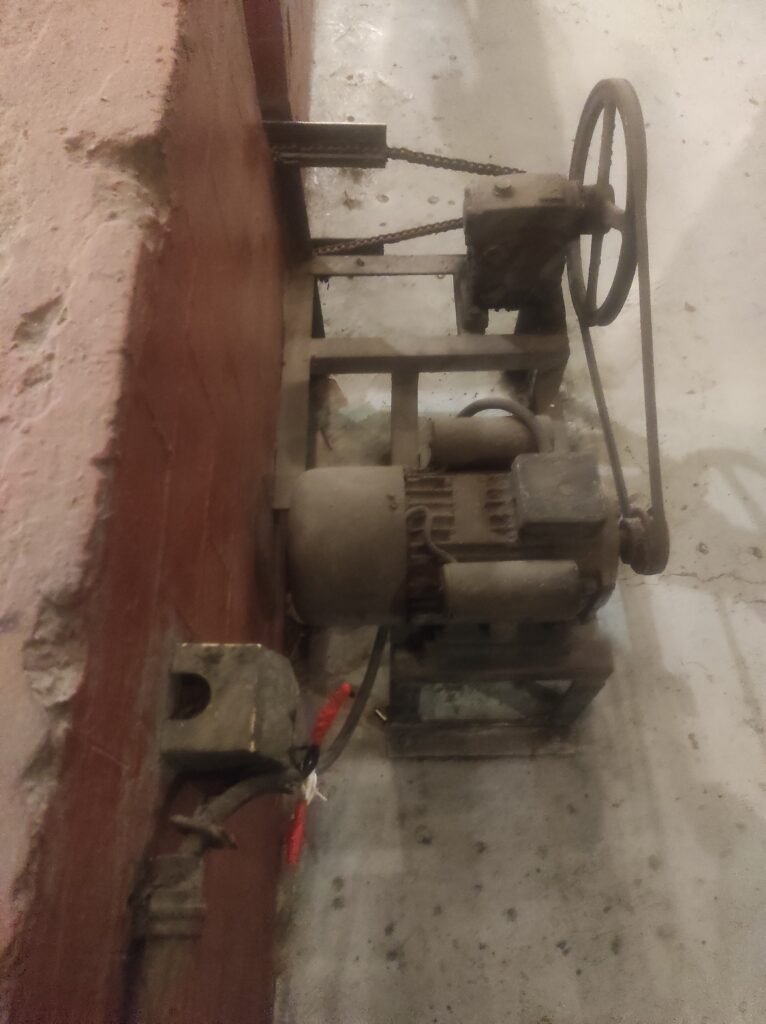
An electric motor is a machine that converts electrical energy into mechanical motion, typically rotation, using the interaction between magnetic fields and electric current. Electric motors power an enormous range of devices, from small motors in phones and hard drives to industrial motors driving pumps and conveyor belts to the large traction motors that propel electric vehicles and trains, making them one of the most widely used machines ever invented.
Basic Operating Principle
Every electric motor relies on the same underlying physics: a current-carrying conductor placed in a magnetic field experiences a force, described by what is known as the Lorentz force. Inside a motor, current flows through coils of wire, called windings, that sit within a magnetic field created either by permanent magnets or by other electromagnetic windings. The resulting force causes the rotor, the motor’s rotating part, to turn, while the stationary part, the stator, holds the windings or magnets in place. By continuously switching or rotating the magnetic field in sync with the rotor’s position, the motor keeps producing torque in the same rotational direction rather than oscillating back and forth.
Types of Electric Motors
Direct current motors use a steady electrical supply and historically relied on a mechanical commutator to reverse current direction as the rotor turns, though brushless DC motors now achieve the same effect electronically for greater efficiency and durability. Alternating current motors come in two main families: synchronous motors, whose rotor turns in exact step with the frequency of the supply current, and induction motors, the most common type in industry, which generate rotor current through electromagnetic induction rather than a direct electrical connection, making them simple, rugged, and relatively inexpensive to manufacture and maintain.
Efficiency and Control
Modern electric motors are highly efficient at converting electrical energy into mechanical work, often exceeding ninety percent efficiency in well-designed industrial motors, compared to the much lower efficiency of internal combustion engines. Variable frequency drives, electronic devices that adjust the frequency and voltage supplied to a motor, allow precise control of motor speed and torque, which has made induction motors viable for applications once dominated by less efficient alternatives and has become a significant source of industrial energy savings since motors account for a large share of global electricity consumption.
Electric Motors in Transportation
The rise of electric and hybrid vehicles has pushed motor design toward higher power density, meaning more power output for a given motor size and weight, since vehicle space and weight are always at a premium. Many electric vehicles use permanent magnet synchronous motors for their high efficiency and compact size, though some manufacturers favor induction motors for their lower cost and because they do not require the rare-earth magnets that permanent magnet designs typically use. Regenerative braking, which runs a vehicle’s motor in reverse as a generator during braking to recover energy, is a major efficiency advantage electric drivetrains have over traditional combustion vehicles.
History of the Electric Motor
Early experimental electric motors appeared in the 1820s and 1830s, building on Michael Faraday’s discoveries about electromagnetism, though these early devices were laboratory curiosities rather than practical machines. Nikola Tesla’s development of the induction motor in the 1880s, based on alternating current, solved key limitations of earlier direct current designs and became central to the broader adoption of AC power systems that still dominate electrical grids today. Through the twentieth century, electric motors became standard in household appliances, industrial machinery, and eventually robotics and computer peripherals, with continuous refinements in magnetic materials and manufacturing driving steady gains in efficiency and miniaturization.
Maintenance and Common Failure Modes
Electric motors are generally considered low-maintenance compared to engines with many moving parts, but they are not immune to failure. Bearing wear, insulation breakdown in the windings from heat or age, and, in brushed motors, carbon brush wear are among the most common issues that eventually require repair or replacement. Overheating is a frequent cause of premature failure, since excess heat accelerates insulation breakdown, which is why many industrial motors include temperature sensors and cooling fans, and why correctly matching a motor’s rated power to its actual workload is one of the simplest ways to extend its service life.
Environmental and Economic Significance
Because electric motors consume such a large share of the electricity generated worldwide, improving their efficiency has an outsized effect on overall energy use and carbon emissions. Many countries now set minimum efficiency standards for motors sold for industrial and commercial use, pushing manufacturers toward designs that use better magnetic materials and more precise manufacturing tolerances to cut energy losses. The broader shift toward electrification across transportation, heating, and industry depends heavily on continued improvements in motor efficiency, power density, and the availability of the materials, including certain magnets and copper windings, that motor manufacturing requires at a global scale.
FAQs
What is the difference between AC and DC electric motors?
DC motors run on direct current and traditionally used a mechanical commutator to maintain rotation, while AC motors run on alternating current and include synchronous and induction designs that do not require that mechanical switching.
Why are induction motors so widely used in industry?
Induction motors are simple, rugged, and inexpensive to build and maintain because they generate rotor current through electromagnetic induction rather than needing a direct electrical connection or brushes, making them reliable for continuous industrial use, often running for years with only routine bearing lubrication and periodic inspection.
In the news
Quick checkWhy are induction motors so widely used in industry?Show answer
Induction motors are simple, rugged, and inexpensive because they generate rotor current through electromagnetic induction rather than needing brushes or a direct electrical connection.
Editorially reviewed by Specialty Digest Editorial TeamLast reviewed November 2, 2026Researched and drafted with AI assistanceReport an issue