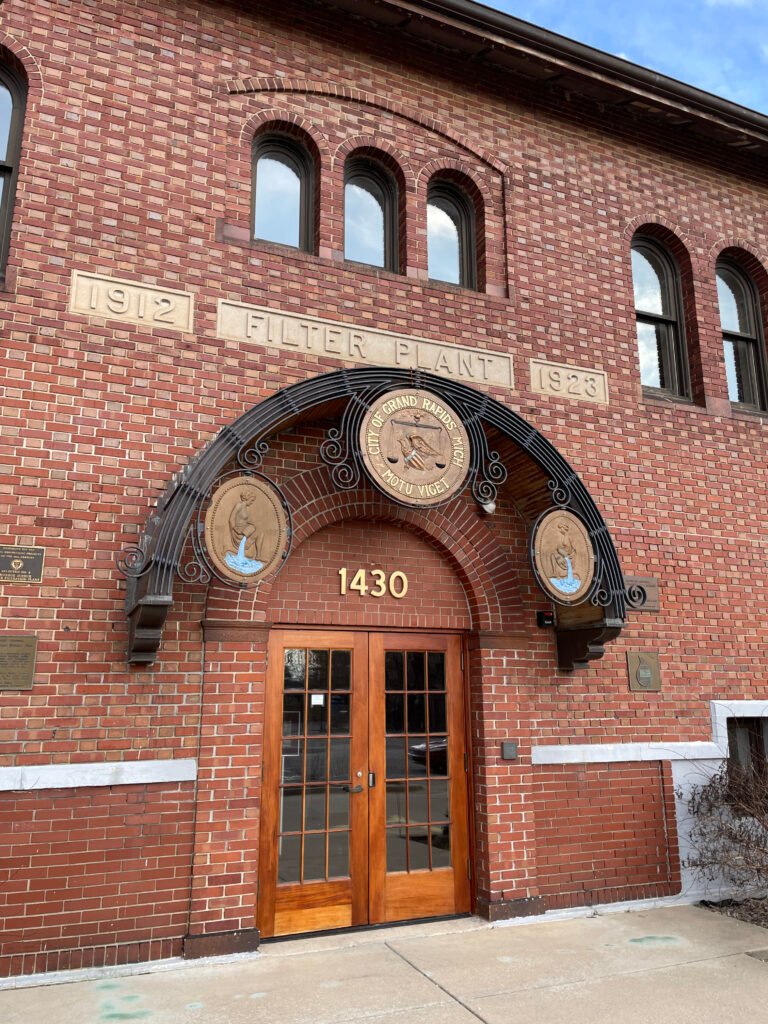
Water treatment is the set of physical, chemical, and biological processes used to make water safe to drink, safe to discharge into the environment, or suitable for industrial use. Civil and environmental engineers design water treatment systems for two broad purposes: drinking water treatment, which removes pathogens, chemicals, and particles from a raw water source before it reaches homes, and wastewater treatment, which cleans water after it has been used so it can be safely returned to rivers, lakes, or the ocean without harming public health or aquatic ecosystems.
Drinking Water Treatment Steps
A typical drinking water treatment plant moves raw water through a sequence of stages. Coagulation and flocculation add chemicals that cause fine suspended particles to clump together into larger clusters, which then settle out during sedimentation. Filtration, often through layers of sand and gravel or increasingly through membranes, removes remaining particles and many microorganisms. Disinfection, most commonly with chlorine, ultraviolet light, or ozone, kills or inactivates bacteria and viruses that survive earlier stages, and is usually the last step before water enters the distribution system that carries it to homes and businesses.
Wastewater Treatment Stages
Wastewater treatment plants work in roughly the opposite direction, cleaning water after use rather than before. Primary treatment uses settling tanks to remove heavy solids and skim floating grease and oil. Secondary treatment relies on microorganisms that consume dissolved organic matter in the water, typically in an aeration tank or trickling filter, converting pollutants into carbon dioxide, water, and additional microbial mass that is later removed as sludge. Tertiary treatment, used where stricter standards apply, adds further steps such as filtration, nutrient removal, or disinfection to meet discharge limits for nitrogen, phosphorus, or pathogens before water is released.
Membrane and Advanced Technologies
Membrane technologies, including microfiltration, ultrafiltration, and reverse osmosis, have become increasingly common in both drinking water and wastewater treatment. These processes push water through extremely fine barriers that physically block contaminants ranging from bacteria down to dissolved salts, enabling applications such as desalination of seawater and direct potable reuse, where highly treated wastewater is purified to drinking water standards. Advanced oxidation processes, which use powerful chemical reactions to break down trace contaminants such as pharmaceuticals, are increasingly added at plants facing emerging contaminants that traditional treatment does not fully remove.
Sludge Management and Resource Recovery
Both drinking water and wastewater treatment generate residual solids, known as sludge, that must themselves be managed. At wastewater plants, sludge is often stabilized through anaerobic digestion, a process that breaks down organic material in the absence of oxygen while producing biogas that can be burned to generate heat or electricity, turning a disposal problem into an energy source. Treated sludge, called biosolids once stabilized, can sometimes be applied to agricultural land as a soil amendment, though regulations on contaminant levels vary by jurisdiction and have tightened as scientific understanding of trace pollutants has improved.
History and Public Health Impact
Modern water treatment emerged in the nineteenth century after scientists including John Snow linked contaminated water to disease outbreaks such as cholera, prompting cities to build filtration and later chlorination systems. The introduction of water chlorination in the early twentieth century, combined with filtration, is widely credited by public health historians as one of the most significant advances in reducing waterborne disease and extending life expectancy in industrialized countries. Many low- and middle-income regions still lack consistent access to treated water, and expanding that access remains a major focus of international development efforts, often through a mix of centralized treatment plants and smaller, decentralized systems suited to rural communities.
Challenges Facing Modern Systems
Water treatment engineers today contend with aging infrastructure in many cities, where pipes and treatment plants built decades ago require costly upgrades or replacement. Climate change adds further strain, altering the quantity and quality of raw water available at different times of year and increasing the frequency of extreme events such as droughts and floods that can overwhelm treatment capacity. Emerging contaminants, including certain industrial chemicals and pharmaceutical residues, present ongoing challenges because many are not fully removed by conventional treatment processes designed decades before these substances became widespread concerns.
Regulation and Monitoring
Water treatment systems operate under strict regulatory oversight because the consequences of failure fall directly on public health. Agencies set maximum allowable levels for contaminants such as lead, arsenic, and disease-causing microorganisms, and treatment plants must continuously monitor water quality and report results to regulators and, in many places, to the public. Operators are typically licensed professionals who must demonstrate ongoing competence through training and certification, reflecting how much public safety depends on day-to-day decisions made inside a treatment plant rather than on the design alone. When a system fails to meet standards, utilities may be required to issue boil-water notices or find alternative supplies while repairs are made, underscoring how closely treatment performance is tied to the health of entire communities.
FAQs
Why is chlorine commonly used to disinfect drinking water?
Chlorine is effective at killing a wide range of bacteria and viruses, is relatively inexpensive, and leaves a residual effect that continues protecting water as it travels through the distribution system to a home or business.
What is the difference between primary and secondary wastewater treatment?
Primary treatment physically removes solids through settling, while secondary treatment uses microorganisms to break down dissolved organic matter that settling alone cannot remove, producing cleaner water before any further tertiary treatment.
Quick checkWhat is the difference between primary and secondary wastewater treatment?Show answer
Primary treatment physically removes solids through settling, while secondary treatment uses microorganisms to break down dissolved organic matter that settling alone cannot remove.
Editorially reviewed by Specialty Digest Editorial TeamLast reviewed November 2, 2026Researched and drafted with AI assistanceReport an issue