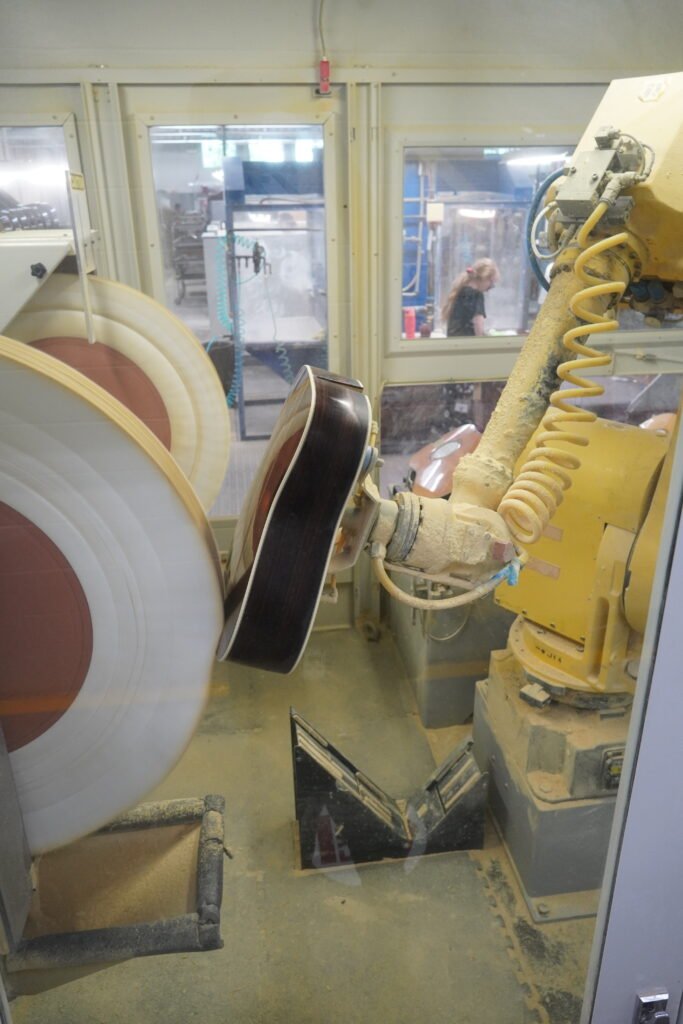
Robotics is the branch of mechanical and electrical engineering, combined with computer science, concerned with designing, building, and programming machines that can sense their environment and perform physical tasks, often with some degree of autonomy. Robots range from industrial arms that repeat the same precise motion thousands of times a day on a factory floor to mobile robots that navigate warehouses, homes, or disaster sites, and increasingly to humanoid machines designed to work in spaces built for people.
Core Components of a Robot
Most robots share a common set of building blocks. Actuators, typically electric motors or hydraulic or pneumatic cylinders, provide the physical force that moves a robot’s joints or wheels. Sensors, including cameras, distance sensors, and force sensors, let a robot perceive its surroundings and its own position. A controller, essentially the robot’s onboard computer, processes sensor data and runs the software that decides what actions the robot should take, while a power source, often a battery for mobile robots, supplies the energy that drives everything else.
Industrial Robotics
Industrial robots, the oldest and most widely deployed category, perform repetitive tasks such as welding, painting, assembly, and material handling on manufacturing lines, chosen for their speed, precision, and ability to work continuously without fatigue or the need for breaks. These robots are typically fixed in place and operate within carefully controlled, often fenced-off work areas for safety, following pre-programmed motion paths that are adjusted only when a product design or production process changes.
Mobile and Autonomous Robots
Mobile robots move through their environment rather than staying fixed in one location, using wheels, tracks, or legs depending on the terrain they must navigate. Autonomous mobile robots use sensors and software to build a map of their surroundings and plan paths around obstacles without needing constant human guidance, technology increasingly used in warehouses to transport goods, in agriculture to monitor and treat crops, and in homes in the form of robotic vacuum cleaners.
The Role of Artificial Intelligence
Modern robotics increasingly relies on artificial intelligence, particularly computer vision for interpreting camera images and machine learning for improving performance through experience, to let robots handle tasks too varied or unpredictable for rigid pre-programmed instructions alone. This combination has enabled robots to sort irregularly shaped objects, navigate unfamiliar spaces, and even adjust their grip in real time based on how an object feels, capabilities that would have been extremely difficult to achieve through traditional programming methods alone.
Robotics in Specialized Fields
Beyond manufacturing, robots have found important roles in surgery, where surgeon-controlled robotic systems provide enhanced precision and smaller incisions than traditional techniques, in space exploration, where robots operate in environments too hazardous or distant for astronauts, and in search and rescue, where robots can enter collapsed buildings or contaminated sites too dangerous for human responders. Each of these specialized applications has driven its own distinct advances in robot design suited to the particular demands of its environment.
History of Robotics
The term robot entered popular use through a 1920 Czech play, though mechanical automatons date back centuries earlier. The first industrial robot, Unimate, was installed on a General Motors assembly line in 1961, marking the beginning of practical industrial robotics. Subsequent decades brought steady improvements in sensors, computing power, and actuator design, with robotics expanding well beyond manufacturing as computing and artificial intelligence advances made autonomous operation in unpredictable environments increasingly practical.
Human-Robot Collaboration
Collaborative robots, often called cobots, are designed to work safely alongside people rather than behind safety fencing, using force sensors and softer movement profiles that let them stop or ease off immediately if they contact a person. This has opened robotics to smaller manufacturers and tasks that previously required a human worker working directly beside an automated system, allowing people to handle judgment-intensive steps while a cobot manages repetitive or physically demanding parts of a task, improving ergonomics and productivity at the same time.
Challenges in Robot Design
Designing a capable robot involves balancing competing demands: more sensors and computing power improve a robot’s capability but add cost, weight, and energy consumption, which matters greatly for battery-powered mobile robots that must balance operating time against performance. Reliability is another persistent challenge, since a robot operating in an unpredictable real-world environment, unlike a tightly controlled factory floor, must gracefully handle sensor errors, unexpected obstacles, and mechanical wear without failing in ways that could damage property or injure nearby people.
The Future of Robotics
Advances in artificial intelligence, battery technology, and lower-cost sensors continue to expand what robots can realistically do outside of highly controlled industrial settings, from humanoid robots intended for general-purpose tasks in human environments to swarms of small robots that coordinate to perform a task collectively. Researchers and companies are also working to make robots easier to program and retrain for new tasks without requiring specialized engineering expertise, a shift that could bring robotics into many more small businesses and households over the coming years.
FAQs
What is the difference between an industrial robot and an autonomous mobile robot?
Industrial robots are typically fixed in place and perform repetitive pre-programmed tasks, while autonomous mobile robots move through their environment and use sensors and software to navigate without constant human guidance.
How does artificial intelligence improve robot performance?
Artificial intelligence lets robots interpret sensor data, such as camera images, and adjust their actions based on experience, enabling them to handle varied or unpredictable tasks that rigid pre-programmed instructions alone could not manage.
In the news
Quick checkHow does artificial intelligence improve robot performance?Show answer
AI lets robots interpret sensor data, such as camera images, and adjust actions based on experience, letting them handle varied tasks rigid pre-programmed instructions could not manage.
Editorially reviewed by Specialty Digest Editorial TeamLast reviewed November 2, 2026Researched and drafted with AI assistanceReport an issue