Overview
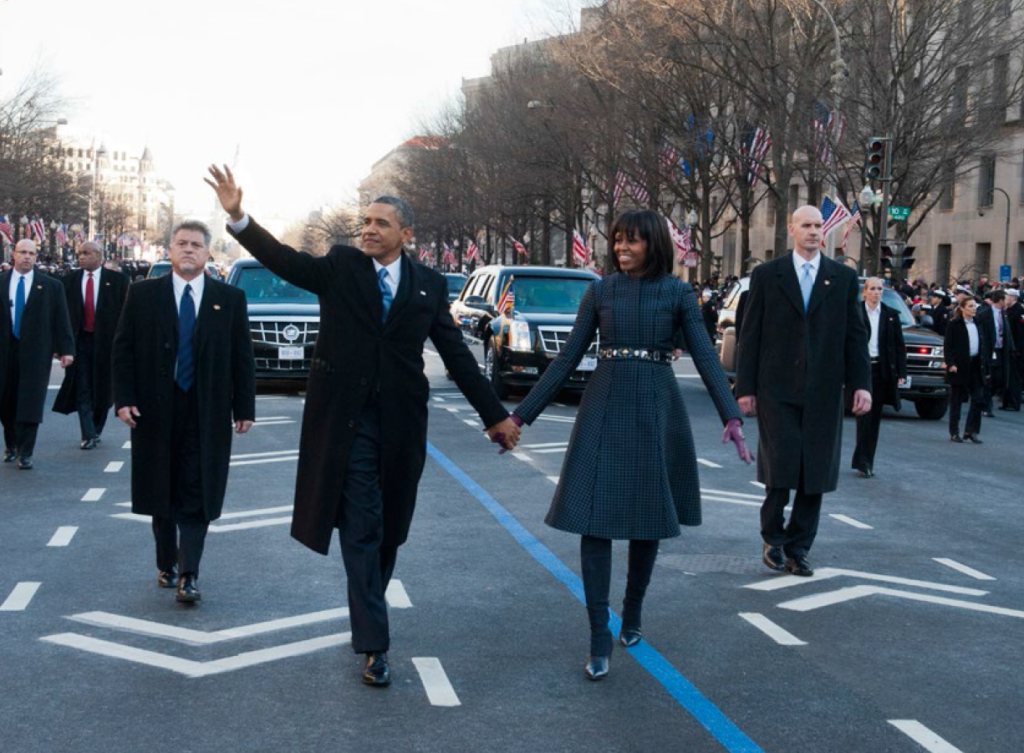
Executive protection refers to the specialized security discipline focused on safeguarding specific high-value individuals, typically corporate executives, celebrities, or visiting dignitaries, from physical harm, harassment, or kidnapping. It is often associated in popular imagination with a single bodyguard trailing a client, but professional executive protection actually involves extensive planning work that happens well before the protected person ever leaves a building.
Advance Work and Threat Assessment
Much of executive protection practice centers on advance work, in which protection agents visit a planned venue or route beforehand to identify vulnerabilities, arrange emergency exits, and coordinate with local security or law enforcement. Protection teams also maintain ongoing threat assessments specific to their client, monitoring for direct threats, stalking behavior, or public statements that might signal rising risk, so that protective measures can be adjusted proactively rather than only in reaction to an incident that has already occurred.
Roles and Advance Planning
Executive protection teams are typically organized around distinct roles, including a detail leader who coordinates overall operations, close protection agents who remain near the protected individual, and advance agents who travel ahead to survey locations before arrival. Advance work is considered one of the most important functions in the field, involving route selection, identification of nearby hospitals, coordination with local law enforcement, and a walkthrough of venues to identify entry points, choke points, and emergency exits. Protection teams also conduct threat assessments on the individual being protected, reviewing any history of harassment, public exposure, or specific threats received through mail, email, or social media. Transportation security forms another major component, covering vehicle selection, driver training in evasive techniques, and route planning that avoids predictable patterns. Many executive protection professionals come from backgrounds in military service, law enforcement, or specialized academy training that covers firearms proficiency, defensive tactics, first aid, and surveillance detection. Clients range from corporate executives and celebrities to government officials and visiting dignitaries, each presenting different risk profiles that shape staffing levels, equipment choices, and the overall posture of the protective detail.
Threat Assessment and Intelligence
Protective intelligence is a core discipline within executive protection, focused on identifying and evaluating individuals or circumstances that could pose a danger before an incident occurs rather than simply reacting after a threat materializes. Analysts monitor open source information, including social media posts, court records, and public statements, to identify concerning behavior directed at a protected individual or organization. A structured approach to this work often follows a pathway to violence model, which recognizes that targeted attacks typically involve observable stages such as grievance formation, ideation, research and planning, and preparation, offering opportunities for intervention before an attack is carried out. Protective intelligence teams coordinate closely with legal counsel and law enforcement when a credible threat is identified, since restraining orders, criminal charges, or welfare checks may be appropriate responses depending on the severity and legality of available options. Risk ratings assigned to specific individuals or situations help protection teams calibrate staffing levels, physical security measures, and operational security practices such as limiting advance publication of travel schedules. Many large organizations maintain case management systems that track concerning individuals over time, since a person who sends threatening communications may continue or escalate that behavior across months or years if not properly addressed.
Technology and Equipment
Executive protection teams rely on a range of specialized equipment to support their operations, beginning with secure communication systems that allow team members to coordinate discreetly using encrypted radios or mobile applications that cannot be easily intercepted. Medical equipment carried by protection details often includes trauma kits capable of treating gunshot wounds or severe bleeding, reflecting training many agents receive in tactical emergency medicine beyond basic first aid. Surveillance detection relies on both human observation skills and technology, including covert cameras and software tools that help teams identify vehicles or individuals appearing repeatedly along a protected person route, which can indicate hostile surveillance being conducted against the target. Armored vehicles, ranging from lightly reinforced sedans to heavily armored sport utility vehicles, provide protection against ballistic threats and in some cases explosive devices, though their use depends heavily on the assessed threat level and client budget. Global positioning system tracking and mapping software support route planning and real time coordination between advance teams and the main protective detail. Residential security assessments for protected individuals often recommend specific equipment such as reinforced doors, safe rooms, perimeter sensors, and backup power systems to maintain security functions during utility outages. As threats have evolved to include more sophisticated use of social media and drone technology by potential attackers, protection teams have increasingly incorporated counter drone detection and digital footprint monitoring into their standard equipment and procedures.
Industry Growth and Client Diversity
Demand for executive protection services has grown substantially in recent decades, driven by increased public visibility of wealthy individuals through social media, a documented rise in threats and harassment directed at corporate leaders, and expanding international business travel to higher risk regions. The client base for protective services has diversified considerably beyond its traditional association with celebrities and heads of state, now commonly including technology executives, high profile athletes, prominent social media figures, and family offices managing security for wealthy families across multiple residences and countries. This growth has led to the emergence of specialized boutique firms alongside larger established companies, along with expanded academic and professional training programs designed to meet rising demand for qualified protective agents. Corporate boards have increasingly mandated executive protection for senior leadership as part of broader enterprise risk management and fiduciary responsibility considerations, particularly for publicly traded companies.
Key facts
- Array
Quick checkWhat is executive protection?Show answer
The practice of safeguarding high-profile individuals from physical harm through planning, advance work, and close protection personnel.
Sources
- Array
Editorially reviewed by Specialty Digest Editorial TeamLast reviewed November 4, 2026Researched and drafted with AI assistanceReport an issue