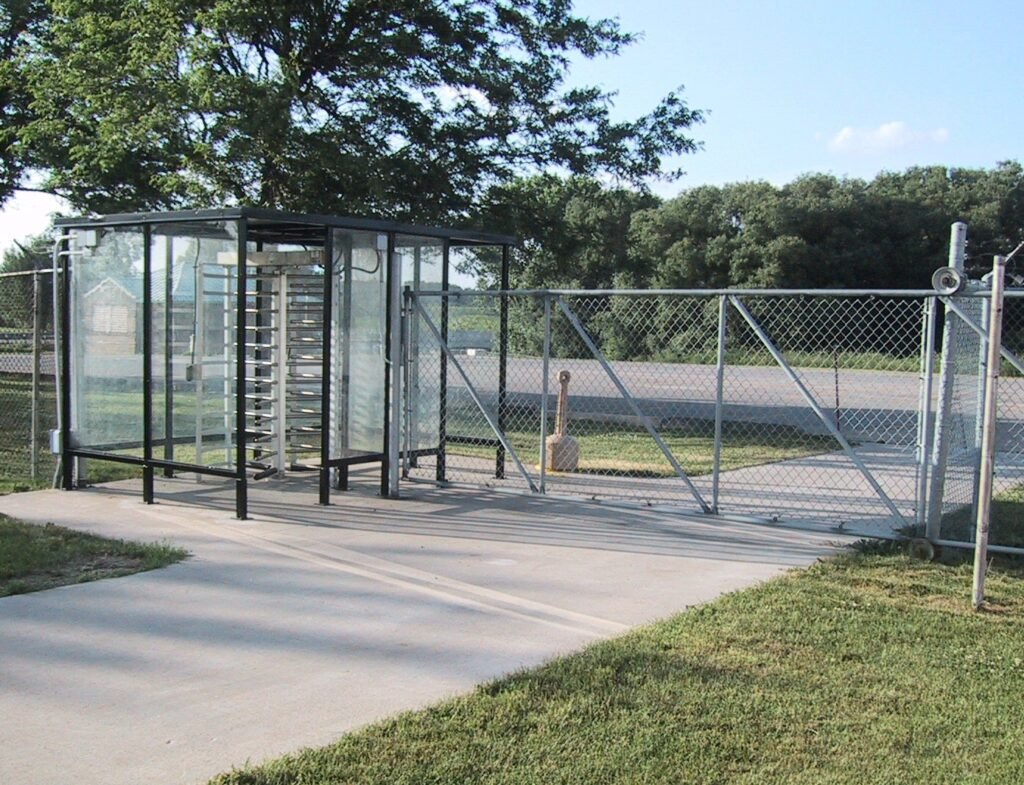
Overview Access control systems govern who is permitted to enter a building or restricted area and under what circumstances, replacing or supplementing a human guard checking identification at a door. Modern systems typically combine a credential, such as a card or code, with a reader and a centralized management platform that can grant, revoke, or
Access Control Systems Read More »
Access control systems are electronic or physical mechanisms that regulate who may enter a facility or restricted area and when.
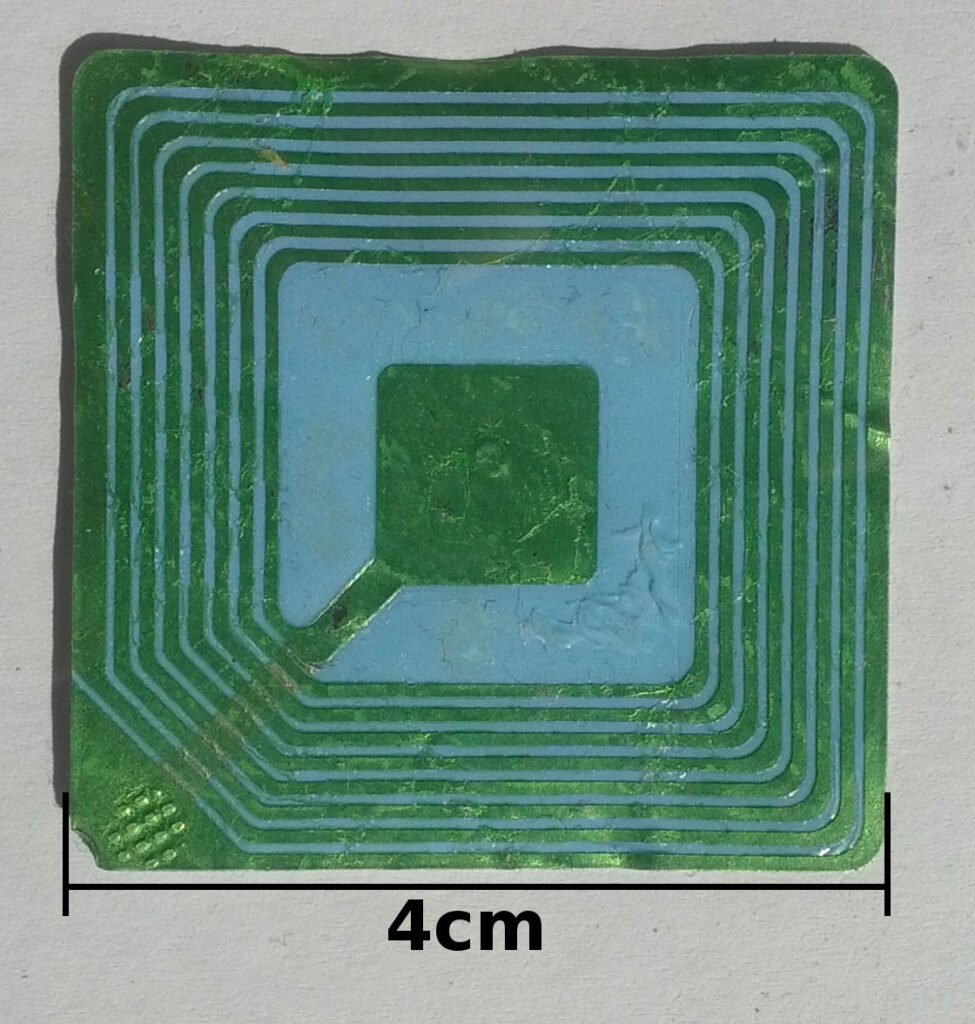
Overview Asset protection encompasses the strategies an organization uses to prevent the loss, theft, or damage of its physical and intellectual property, a term especially common within the retail industry but applicable across many sectors. Modern asset protection programs typically address threats from both outside the organization, such as shoplifting or burglary, and from within,
Asset Protection Read More »
Asset protection is the set of strategies and practices used to prevent loss, theft, or damage to an organizations physical and intellectual property.
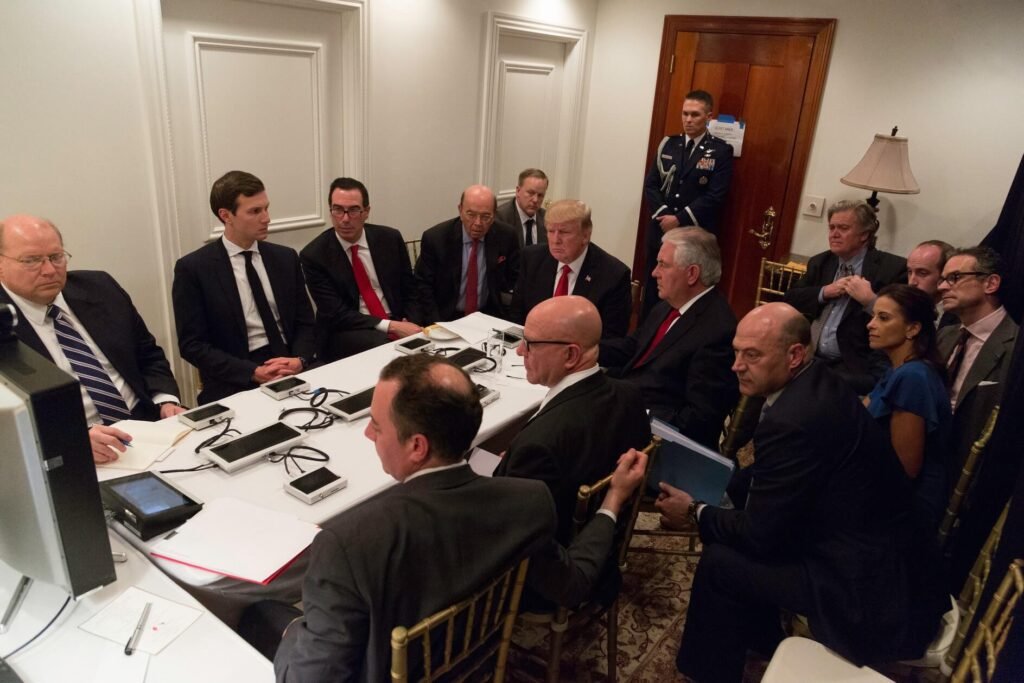
Overview Corporate security is the internal function within a company responsible for protecting its people, facilities, information, and reputation from threats ranging from workplace violence to corporate espionage to natural disaster. Larger organizations typically centralize this responsibility under a senior executive, often titled Chief Security Officer, who coordinates security policy across what might otherwise be
Corporate Security Read More »
Corporate security is the organizational function responsible for protecting a companys people, physical assets, information, and reputation from a wide range of threats.
Overview Executive protection refers to the specialized security discipline focused on safeguarding specific high-value individuals, typically corporate executives, celebrities, or visiting dignitaries, from physical harm, harassment, or kidnapping. It is often associated in popular imagination with a single bodyguard trailing a client, but professional executive protection actually involves extensive planning work that happens well before
Executive Protection Read More »
Executive protection is the practice of safeguarding high-profile individuals, such as corporate executives or public figures, from physical harm and related threats.
Overview Loss prevention describes the practices retailers and other businesses use to reduce shrinkage, the gap between inventory a business should have on hand and what it actually has, caused by theft, fraud, and simple administrative mistakes. While closely related to the broader concept of asset protection, loss prevention as a professional discipline developed specifically
Loss Prevention Read More »
Loss prevention is a set of practices, primarily used in retail, aimed at reducing shrinkage caused by theft, fraud, and operational error.
Overview Physical security covers the tangible measures an organization puts in place to prevent unauthorized people from physically reaching a facility, piece of equipment, or other protected asset. It complements rather than replaces cybersecurity, since a hacker who cannot breach a network remotely might instead attempt to walk into a data center and access equipment
Physical Security Read More »
Physical security refers to measures designed to prevent unauthorized physical access to a facility, equipment, or resource.
Overview The private security industry consists of companies and individuals paid to protect people, property, and information, filling roles that public police departments either cannot or do not cover. It has grown into a major economic sector in its own right, and in many countries the number of private security employees now exceeds the number
Private Security Industry Read More »
The private security industry encompasses companies and personnel hired to protect people, property, and information outside of government policing.
Overview A security audit is a formal, structured review of an organizations security controls and practices, measured against a defined standard, regulatory requirement, or internal policy, producing findings and recommendations rather than simply describing the current state. Organizations commission audits both proactively, as part of routine governance, and reactively, following a security incident that exposes
Security Audit Read More »
A security audit is a formal, independent evaluation of an organizations security controls and practices against a defined standard or policy.
Overview Security guard services supply trained personnel who physically monitor, patrol, and protect a clients property, assets, or people, representing one of the oldest and most visible segments of the private security industry. Guards may work fixed posts, such as a lobby desk or gate, or conduct mobile patrols across a larger property, and their
Security Guard Services Read More »
Security guard services provide trained personnel to monitor, patrol, and protect property, assets, and people on behalf of a client.
Overview A security risk assessment systematically identifies the threats an organization faces, the vulnerabilities that could allow those threats to cause harm, and the potential consequences if they do, producing a prioritized basis for deciding where to invest limited security resources. Rather than treating every possible risk equally, the assessment process forces explicit tradeoffs by
Security Risk Assessment Read More »
A security risk assessment is a systematic process of identifying, analyzing, and prioritizing threats and vulnerabilities to an organizations people, property, and information.