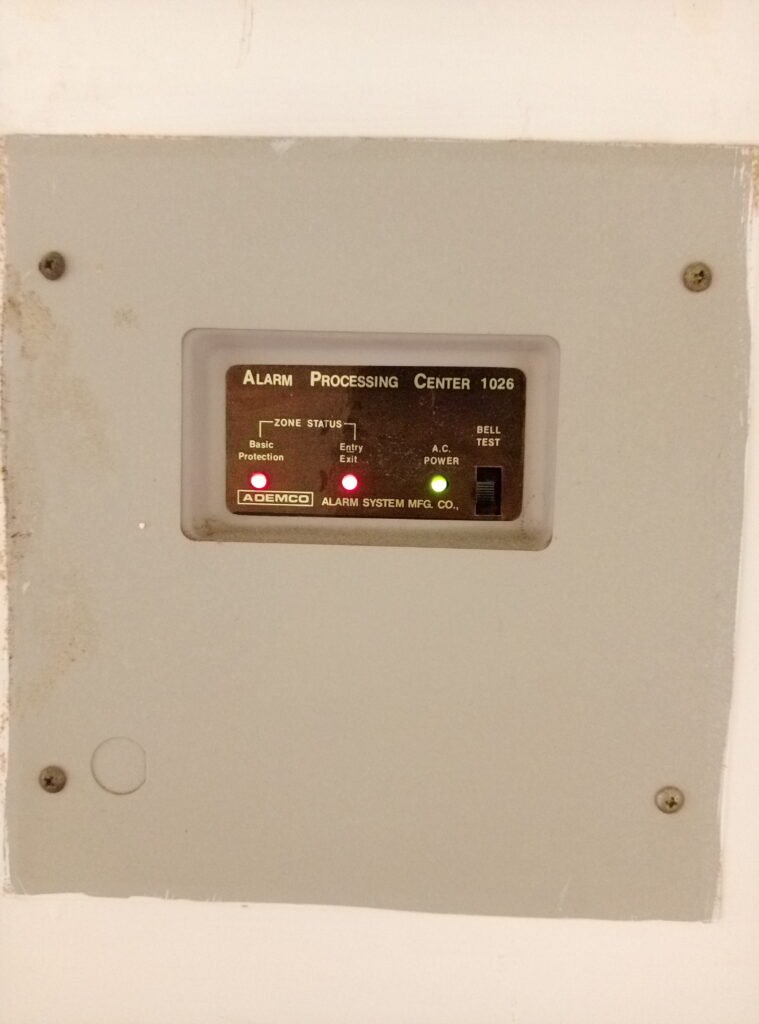
A fire alarm system is the integrated set of equipment responsible for detecting the presence of fire or smoke within a building and alerting occupants so they can evacuate safely, as well as notifying emergency responders. The system functions as the central nervous system of a building fire protection strategy, coordinating detection, notification, and often other life safety functions.
n
Detection Devices
n
Detection within a fire alarm system is typically achieved through smoke detectors, which sense airborne particles from combustion, and heat detectors, which respond to elevated temperature and are often used in areas where smoke detectors would produce frequent false alarms, such as kitchens or garages. Manual pull stations provide a means for occupants who directly observe a fire to activate the alarm immediately, supplementing automatic detection.
n
Control and Notification
n
The fire alarm control panel serves as the central processing point for the system, receiving signals from all connected detection devices, determining the appropriate response, and activating notification appliances throughout the building. Notification typically combines audible signals such as horns or voice evacuation messages with visual strobes to ensure the alert reaches occupants who are deaf or hard of hearing, a requirement increasingly embedded in accessibility codes.
n
Monitoring and Integration
n
Many fire alarm systems are connected to a remote monitoring service or directly to local emergency dispatch, allowing automatic notification of the fire department even if building occupants are unable to call for help themselves. Modern systems frequently integrate with other building functions, including automatic elevator recall to prevent elevators from being used during a fire, release of magnetically held doors to restore compartmentation, and activation of smoke control systems that manage airflow to keep evacuation routes clear.
n
Addressable Versus Conventional Systems
n
Fire alarm systems are generally categorized as conventional or addressable. Conventional systems divide a building into zones, with the control panel only indicating which zone triggered an alarm, requiring responders to search the entire zone to locate the actual source. Addressable systems assign a unique identifier to each individual device, allowing the control panel to pinpoint the exact detector or pull station that activated, which can significantly speed up response in larger buildings with many zones and devices.
n
Testing and Code Compliance
n
Fire alarm systems require periodic testing of all detection devices, notification appliances, and control functions to confirm proper operation, typically performed according to a schedule set by applicable fire codes and documented for inspection by local authorities. Because fire alarm systems often serve as the primary life safety notification method in a building, deficiencies found during testing, such as a detector that fails to activate or a horn that cannot be heard throughout its intended coverage area, generally must be corrected promptly rather than deferred.
n
Voice Evacuation Systems
n
Many modern fire alarm systems, particularly in large or complex buildings such as high-rises and hospitals, incorporate voice evacuation capability that allows pre-recorded or live spoken instructions to be broadcast throughout the building rather than relying solely on a generic alarm tone. This capability allows for more nuanced emergency response, such as directing occupants in an unaffected area to shelter in place while instructing those in the immediate vicinity of a fire to evacuate, a level of control that a simple horn and strobe system cannot provide.
n
False Alarm Management
n
Frequent false alarms can undermine occupant confidence in a fire alarm system, leading to dangerous complacency where people delay evacuation or ignore alarms altogether, assuming they are false. Addressing false alarm causes, such as detectors placed too close to cooking equipment or steam sources, proper maintenance to prevent dust accumulation in detection chambers, and clear procedures for investigating and resetting activated alarms, is therefore an important part of maintaining a fire alarm system genuine life safety value over time.
n
Looking Ahead
n
Fire alarm technology continues to evolve, with increasing integration of wireless detection devices that simplify installation in existing buildings, cloud-connected monitoring platforms that provide remote diagnostics and maintenance alerts, and smart building integration that allows fire alarm data to interact with broader building management systems. These developments promise to improve system reliability and reduce maintenance costs over time, though they also introduce new considerations around cybersecurity and ensuring that connectivity features do not compromise the fundamental reliability that life safety systems require.
n
Human Response to Alarms
n
Research into occupant behavior during fire alarms has shown that people frequently delay response to investigate the cause or gather belongings before evacuating, a pattern that has influenced the design of voice evacuation messaging intended to convey urgency and specific instructions more effectively than a generic tone alone. Understanding these behavioral patterns has become an increasingly important consideration in fire alarm system design, alongside the purely technical aspects of detection and notification.
n
Role in Insurance and Risk Management
n
Insurance providers frequently offer reduced premiums for buildings equipped with monitored fire alarm systems, recognizing that faster detection and notification translate directly into reduced potential loss severity from any given fire event. This financial dimension provides building owners an additional incentive, beyond code compliance alone, to invest in robust detection and monitoring capability rather than the minimum required by applicable building and fire codes.
n
Across all of these dimensions, a fire alarm system value depends on consistent testing, thoughtful design, and ongoing attention to how occupants actually respond once an alarm sounds.
n
Summary of Protective Value
n
Taken together, these capabilities make the fire alarm system the central coordinating element of a building overall fire safety strategy, translating early detection into the timely occupant action that ultimately determines whether an emergency ends safely.
Key facts
- Array
Sources
- Array
Editorially reviewed by Specialty Digest Editorial TeamLast reviewed November 3, 2026Researched and drafted with AI assistanceReport an issue