Specialty Digest

Global English editionLearners’ Study Dashboard — in development
The Knowledge Library for All
Encyclopedia / Occupational Safety & Protection

Fire Protection and Prevention

Specialty Knowledge entries in Fire Protection and Prevention.

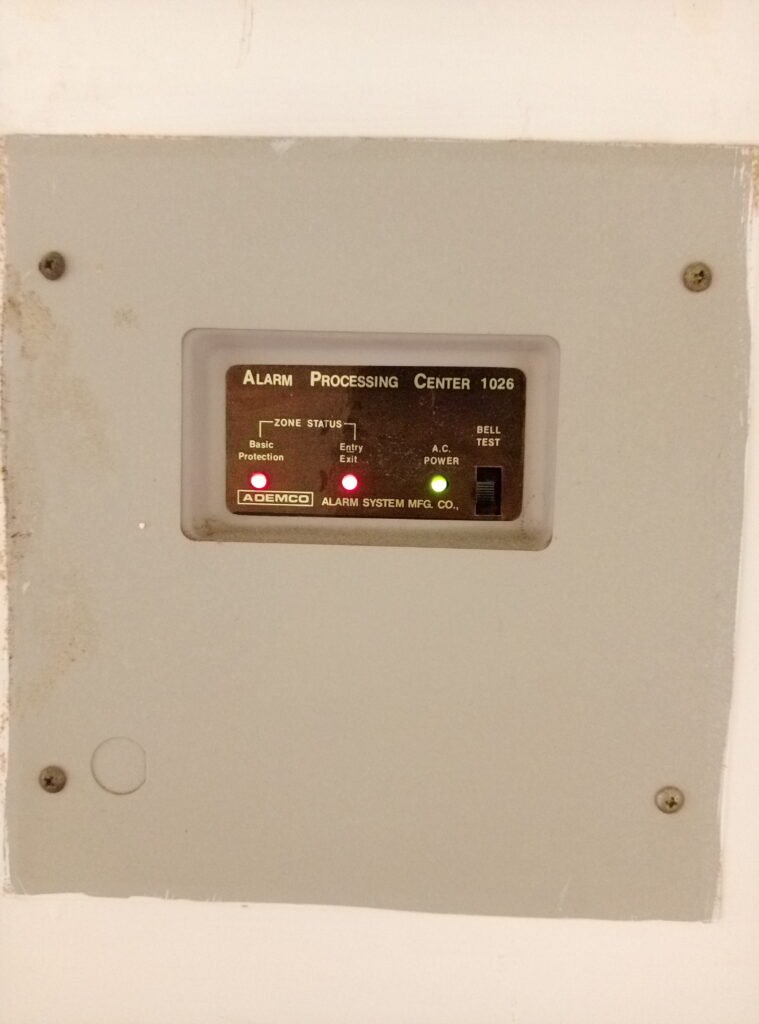
A fire alarm control panel mounted on a wall

Fire Alarm System

A fire alarm system is the integrated set of equipment responsible for detecting the presence of fire or smoke within a building and alerting occupants so they can evacuate safely, as well as notifying emergency responders. The system functions as the central nervous system of a building fire protection strategy, coordinating detection, notification, and often
Fire Alarm System Read More »

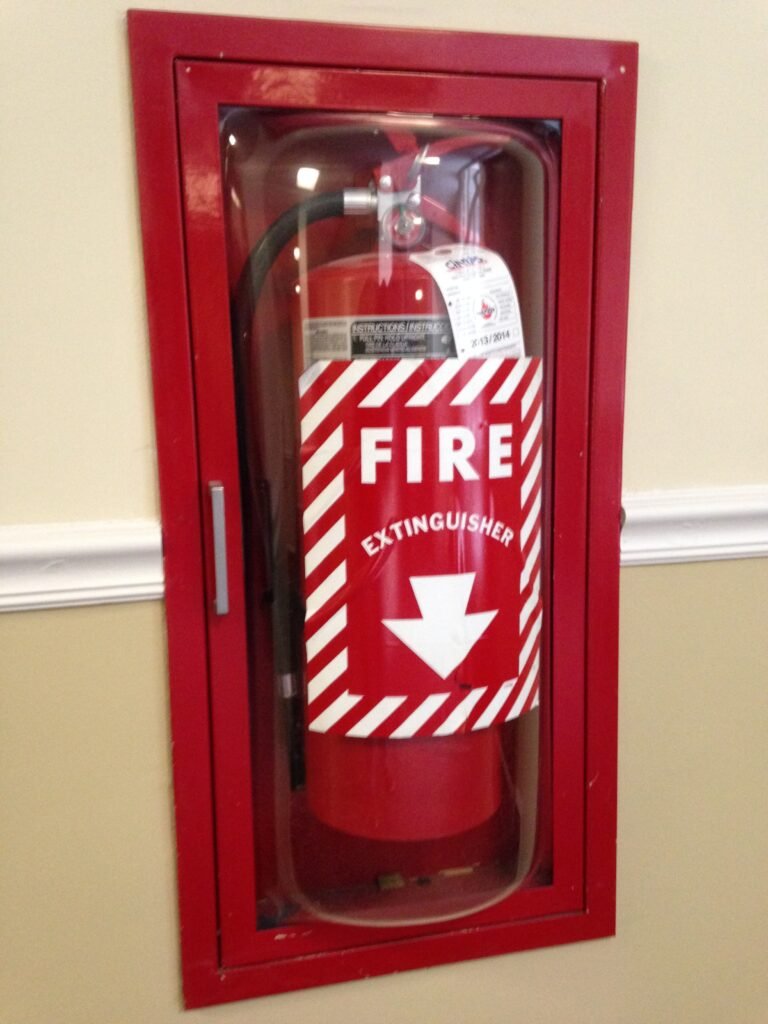
A red portable fire extinguisher

Fire Extinguisher

A fire extinguisher is a portable device designed to allow a single person to control or extinguish a small fire in its early stages, before it grows large enough to require evacuation and fire department response. Extinguishers are a cornerstone of occupational and residential fire safety precisely because they allow rapid intervention at the moment

Fire Extinguisher Read More »

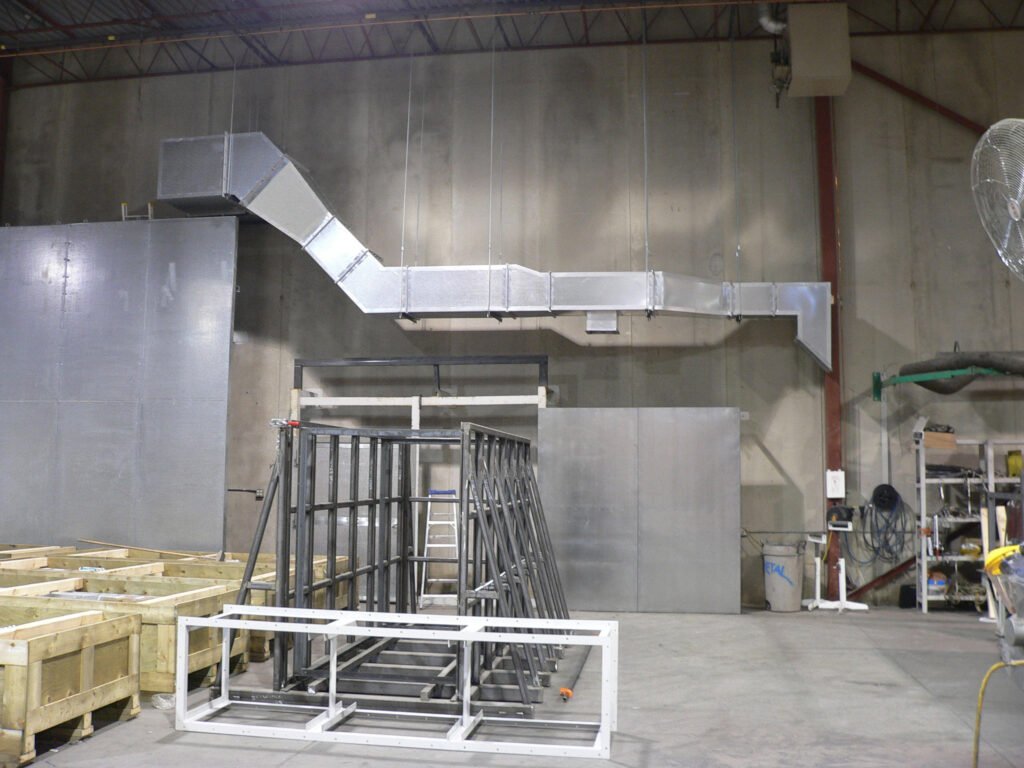
Fire rated wall and duct assembly construction

Fire Rated Assembly

A fire rated assembly is a building component, such as a wall, floor-ceiling assembly, or door, that has been tested under standardized conditions and certified to resist the passage of fire and maintain structural integrity for a specified duration, typically expressed in hours. Fire rated assemblies form the backbone of passive fire protection strategy, dividing

Fire Rated Assembly Read More »

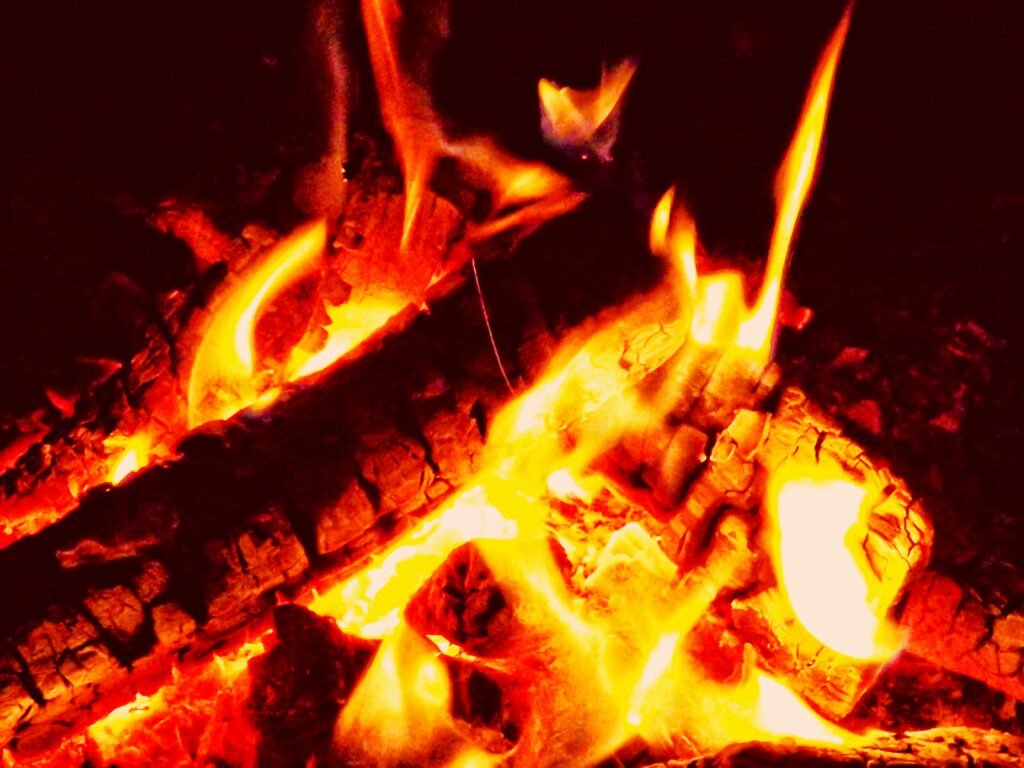
A bright burning campfire illustrating fuel, heat, and flame

Fire Triangle

The fire triangle is a foundational concept in fire science that illustrates the three elements necessary for combustion to occur and continue: sufficient heat to raise fuel to its ignition temperature, a combustible fuel source, and an oxidizing agent, typically oxygen from the surrounding air. The model teaches that removing any one of these three

Fire Triangle Read More »

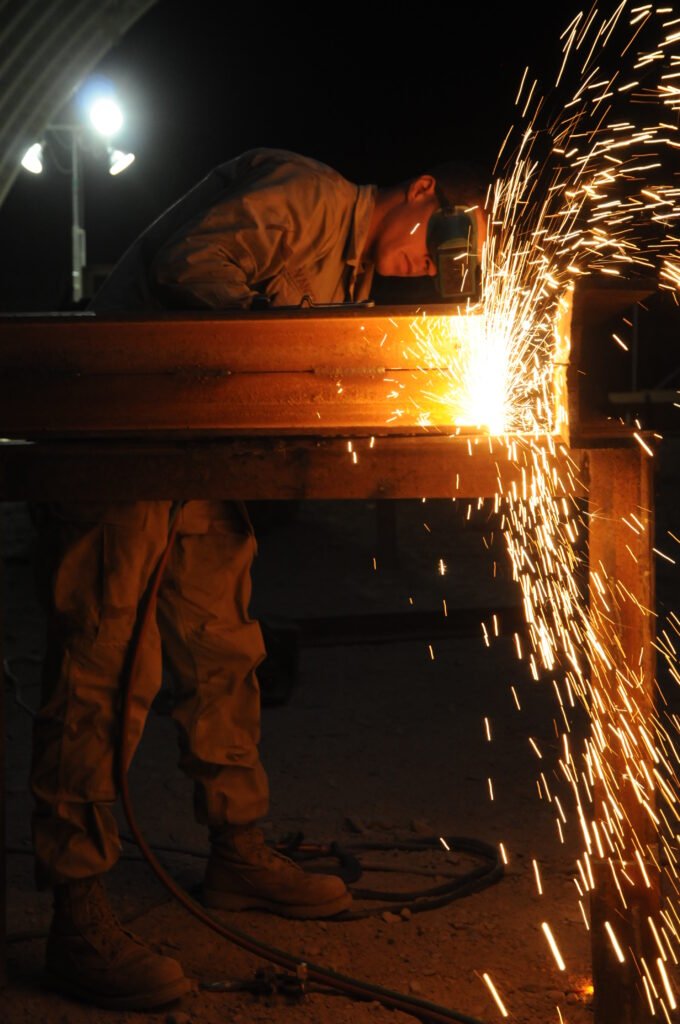
A shower of welding sparks during hot work requiring a fire watch

Fire Watch

A fire watch is a temporary fire safety measure in which a specifically trained person patrols a building, area, or work site to detect fire hazards and respond promptly, typically implemented to compensate for a gap in normal automatic fire protection or to monitor activities that create elevated fire risk. Because a fire watch depends

Fire Watch Read More »

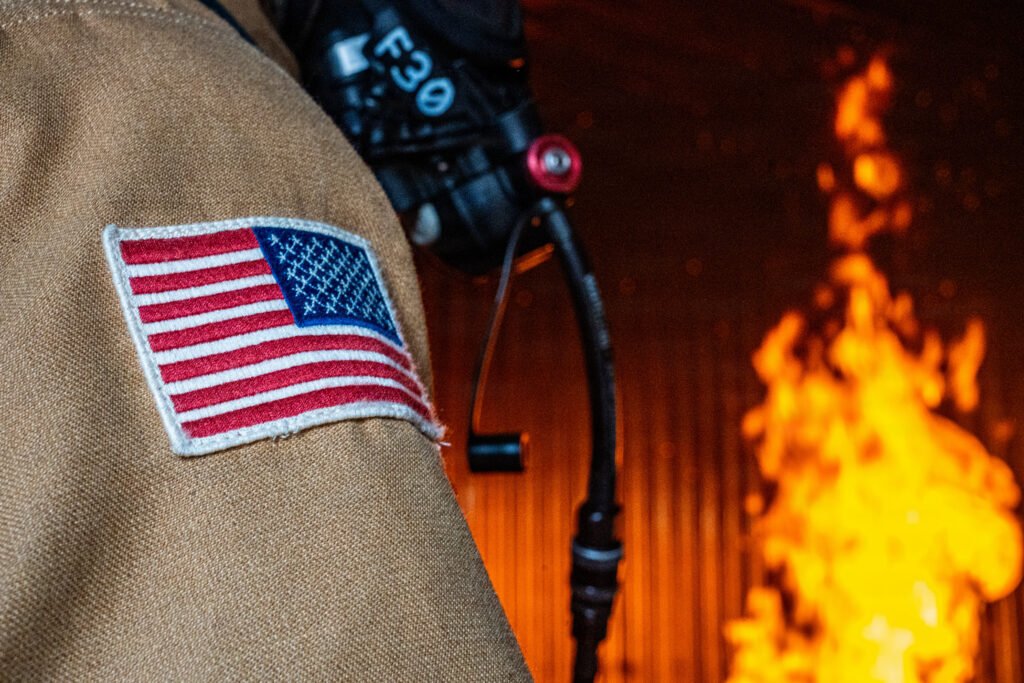
Firefighters attacking an intense structure fire with flames at a window

Flashover

Flashover is a fire dynamics phenomenon in which nearly all exposed combustible materials within an enclosed space ignite almost simultaneously, occurring once accumulated heat raises the entire room to the ignition temperature of its contents. The transition from a localized fire to a fully involved room fire can happen within seconds, making flashover one of

Flashover Read More »

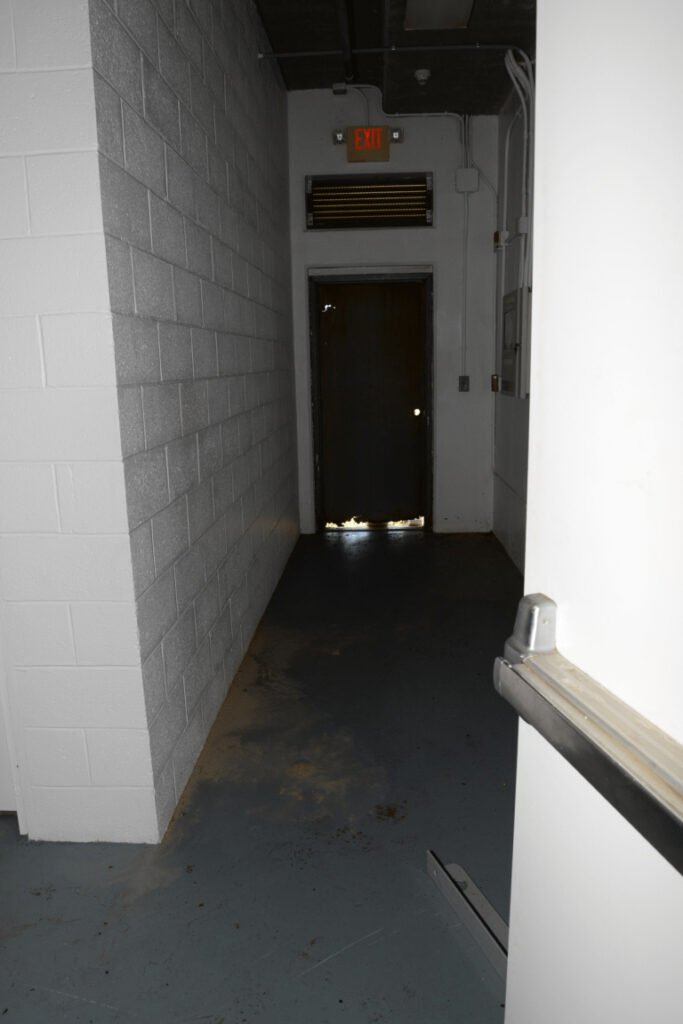
A corridor leading to a door with an illuminated exit sign above

Means of Egress

Means of egress refers to the complete, continuous path that occupants must follow to travel safely from any point within a building to a public way outside, forming one of the most heavily regulated aspects of building and fire code since it directly determines how quickly and safely occupants can evacuate during an emergency. Three

Means of Egress Read More »

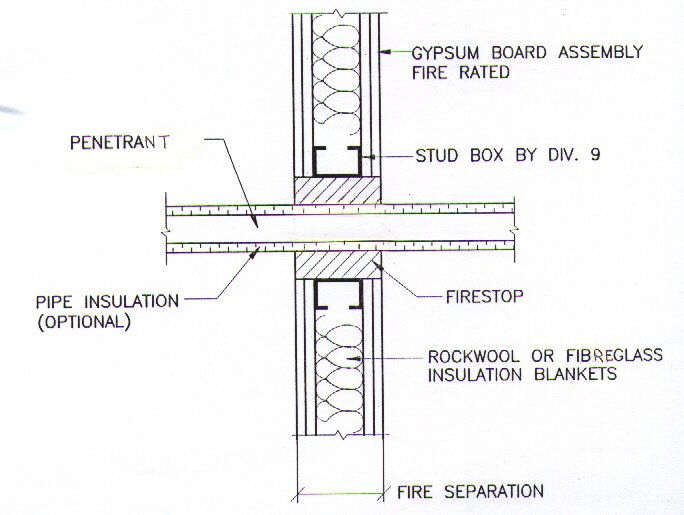
Diagram illustrating a firestop system sealing a penetration through a fire rated wall

Passive Fire Protection

Passive fire protection encompasses building design and construction elements that resist the spread of fire and smoke through their inherent physical properties, rather than through detection and an active mechanical or electrical response. Because passive measures require no power, water supply, or activation to function, they provide a foundational layer of protection that remains effective

Passive Fire Protection Read More »

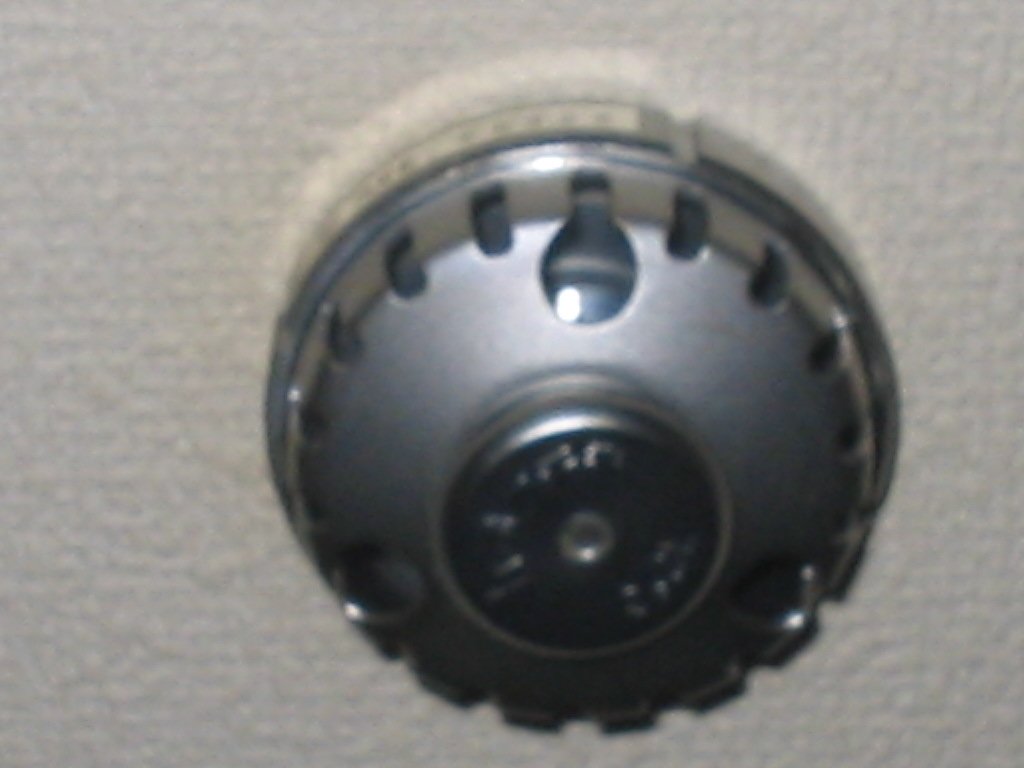
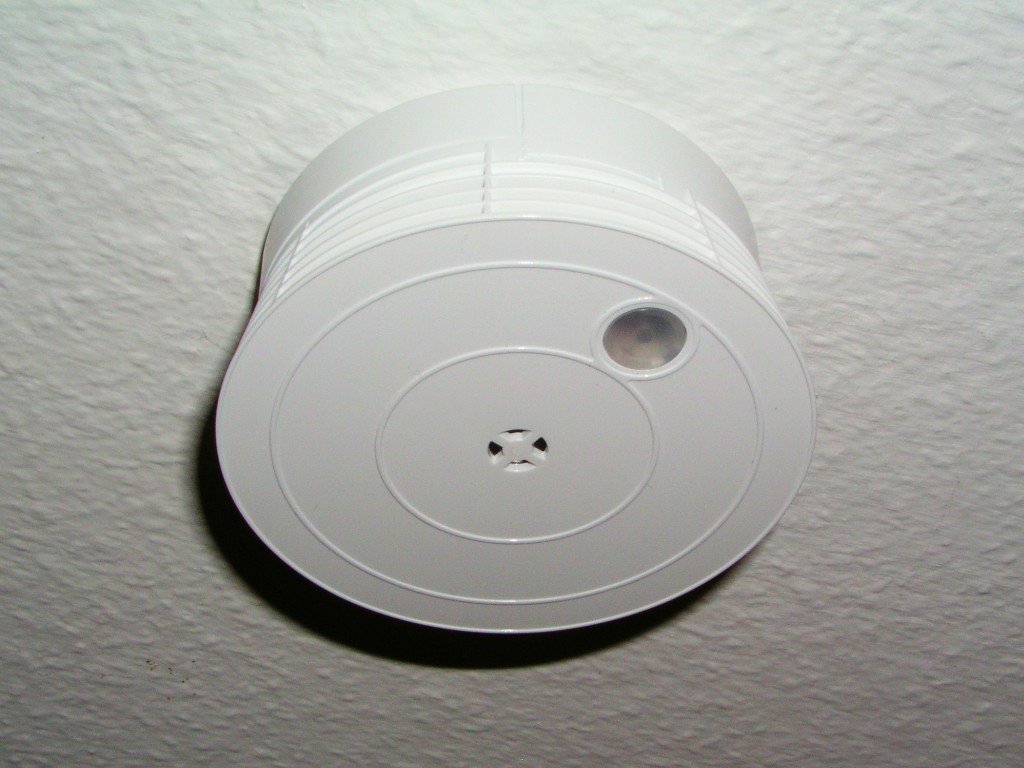
A smoke detector mounted on a ceiling

Smoke Detector

A smoke detector is a device designed to sense airborne smoke particles, typically produced during the early stages of a fire, and sound an alarm to alert occupants before the fire grows large enough to pose an immediate life threat. Because most fire deaths occur during sleeping hours when occupants cannot see or smell developing

Smoke Detector Read More »