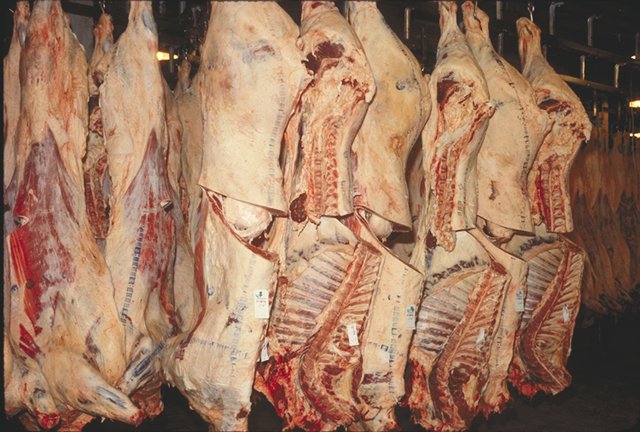
Food grading is the process of evaluating and classifying food products according to quality characteristics such as appearance, size, texture, and composition, distinct from food safety inspection, which focuses on whether a product is safe to eat rather than how it ranks in quality. Grading is often voluntary and paid for by producers seeking a quality designation that supports premium pricing or marketing claims.
Grading Versus Inspection
In the United States, USDA meat inspection is mandatory and focused solely on safety and wholesomeness, while USDA quality grading, such as the familiar Prime, Choice, and Select beef grades, is a separate, voluntary service that packers pay for to certify quality attributes like marbling and tenderness. This distinction means an ungraded piece of meat at a grocery store is not necessarily unsafe, only that its producer did not pay for the voluntary quality grading service.
Common Grading Systems
Egg grading in the U.S. uses categories like Grade AA, A, and B based on shell quality, yolk shape, and albumen firmness, with Grade AA commanding the clearest, most consistent appearance. Produce grading standards cover size, color, and blemish tolerance, determining whether fruits and vegetables are sold as premium retail product or diverted to processing uses like juice or canning. Dairy grading similarly evaluates attributes like flavor, body, and appearance to assign quality tiers used in commercial purchasing and labeling.
Economic and Marketing Role
Grading systems give buyers a standardized vocabulary for specifying quality expectations in contracts and purchasing decisions, reducing the need for buyers to personally inspect every shipment before agreeing to a price. Higher grades generally command premium prices, creating a financial incentive for producers to invest in practices, such as specific cattle feeding programs for higher beef marbling, that improve their product’s graded quality tier, linking grading systems directly to broader agricultural production decisions.
International Grading Variation
Grading standards and terminology vary considerably across countries, with the European Union, Japan, and other major markets maintaining their own distinct quality classification systems for products like beef, seafood, and produce, meaning a grade considered premium in one country’s system does not necessarily translate directly to an equivalent grade elsewhere. This variation can complicate international trade, since exporters must often understand and meet multiple distinct grading frameworks depending on their target markets rather than relying on a single universal quality standard.
Consumer Understanding of Grades
Survey research suggests many consumers do not fully understand what specific quality grades actually measure, sometimes assuming a higher grade automatically indicates better safety or nutritional value rather than the narrower quality attributes, such as marbling or appearance, that grading systems are actually designed to capture, a gap that has prompted some calls for clearer consumer education about what grading labels do and do not certify.
Grading in Seafood and Fisheries
Seafood grading evaluates factors including size, freshness indicators, and visual appearance, with some countries also incorporating sustainability certification alongside traditional quality grading, reflecting growing consumer interest in how a product was sourced alongside its basic quality attributes, a trend that has introduced an additional layer of labeling and certification distinct from traditional size- and appearance-based grading systems.
Grading and Food Waste
Strict cosmetic grading standards for produce, which can reject perfectly nutritious fruits and vegetables for minor size or appearance imperfections, have drawn criticism from food waste reduction advocates, prompting some retailers to introduce dedicated lines for cosmetically imperfect but otherwise high-quality produce, an approach that challenges the traditional assumption that strict grading necessarily serves consumers well in every case.
Blockchain and Grading Verification
Some premium food producers have begun experimenting with blockchain-based verification systems that let consumers trace a product’s grading and origin claims directly, aiming to build trust in premium grading claims that have historically relied largely on brand reputation and third-party certification rather than any system a consumer could independently verify themselves at the point of purchase.
As consumer interest in food provenance grows, grading systems are likely to increasingly incorporate factors beyond traditional appearance and size metrics, potentially blending conventional quality grading with sustainability and ethical sourcing considerations into a more holistic future classification approach.
Legal Disputes Over Grading Claims
Disputes occasionally arise when a producer’s grading or quality claims are challenged as misleading, leading to regulatory enforcement action or private litigation, particularly in cases involving premium branding built heavily around a specific quality designation that regulators or competitors later argue was not accurately earned or consistently maintained across the product’s actual production.
Academic agricultural economists continue studying how grading standards influence farmer income and consumer prices across different crop categories, generating evidence that occasionally prompts policymakers to revisit decades-old grading criteria that may no longer reflect current consumer preferences or production realities.
As consumer demand for transparency grows, some producers now voluntarily publish detailed grading criteria and inspection data directly to consumers, moving beyond the traditional opaque grade label toward a more detailed accounting of exactly what a given quality designation does and does not guarantee.
Food science programs increasingly include dedicated coursework on grading systems, preparing future industry professionals to navigate the complex intersection of agricultural science, consumer psychology, and market economics that determines how a given grading framework ultimately takes shape and gains industry acceptance.
Taken together, grading systems illustrate how a seemingly simple quality label actually sits atop a complex web of agricultural science, market economics, and evolving consumer expectations that continue reshaping what a given grade is understood to represent.
Grading ultimately serves as a practical bridge between the technical science of food quality and the everyday purchasing decisions consumers make, even when most shoppers never examine the detailed criteria behind the label they rely on.
Key facts
- Grading is often voluntary, unlike mandatory safety inspection.nUSDA beef grades like Prime, Choice, and Select reflect quality, not safety.nEgg grading uses categories such as Grade AA, A, and B.nHigher grades generally command premium market prices.
Quick checkWhat is the difference between food grading and food inspection?Show answer
Food grading evaluates voluntary quality characteristics, while food inspection is a mandatory safety check unrelated to quality tier.
Sources
- USDA Agricultural Marketing Service, USDA Food Safety and Inspection Service
Editorially reviewed by Specialty Digest Editorial TeamLast reviewed November 3, 2026Researched and drafted with AI assistanceReport an issue