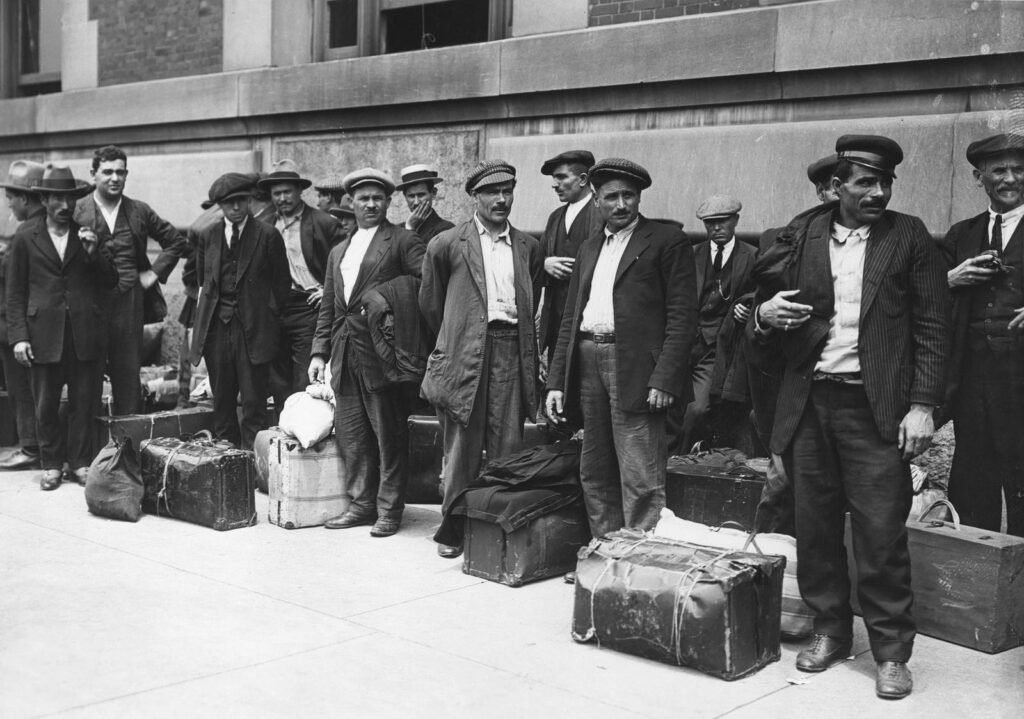
Immigration policy is the set of laws, regulations, and administrative practices a country uses to decide who may enter its territory, how long they may stay, and under what conditions they can eventually become citizens. It sits at the intersection of national sovereignty, labor markets, humanitarian obligation, and domestic politics, which helps explain why it remains one of the most contested policy areas in many democracies. Every country draws its own balance among competing goals, including economic growth, family unity, humanitarian protection, and border security, and that balance shifts over time as political coalitions, labor markets, and economic conditions change.
Core policy levers
Governments regulate immigration through several distinct mechanisms that often operate side by side. Numerical quotas or caps limit how many immigrants can enter through a given category each year, a tool many countries use for family-based and employment-based immigration alike. Visa categories distinguish between temporary, nonimmigrant visits for tourism, study, or work, and permanent immigration that leads toward long-term residence and eventually citizenship. Asylum and refugee systems offer protection specifically to people fleeing persecution or violence, generally under a more individualized legal standard than ordinary immigration categories require. Enforcement mechanisms, including border control agencies, interior immigration enforcement, and specialized immigration courts, determine how consistently a country’s stated rules are actually applied to people already present within its borders.
Pathways to citizenship
Most countries require a prospective citizen to first hold some form of lawful permanent residence for a set number of years, commonly around five, before qualifying to apply for naturalization. Applicants typically must demonstrate a minimum level of proficiency in the national language, pass a civics examination covering history and government, maintain a clean legal record, and take a formal oath of allegiance to complete the process. Some countries permit dual citizenship without restriction, while others require new citizens to formally renounce any previous nationality, a difference that can matter enormously to immigrants weighing the personal and legal costs of naturalizing in their new home.
Historical shifts in US immigration law
United States immigration policy illustrates how dramatically a country’s approach can change over time. The Immigration Act of 1924 built on earlier restrictions to impose national-origin quotas that sharply limited immigration from southern and eastern Europe and effectively excluded most of Asia. The Immigration and Nationality Act of 1965 repealed this national-origin quota system entirely, replacing it with a framework emphasizing family reunification and employment skills that reshaped the demographic composition of subsequent immigration to the United States. The Immigration Reform and Control Act of 1986 combined a one-time legalization program for several million unauthorized immigrants already living in the country with new penalties making it illegal, for the first time, for employers to knowingly hire workers without legal authorization.
Economic and demographic drivers
Immigration policy debates are heavily shaped by economic arguments on multiple sides. Supporters of more open immigration point to labor shortages in specific sectors, the role immigrants play in offsetting aging populations and shrinking native-born workforces in many wealthy countries, and the long documented history of immigrant entrepreneurship and innovation. Critics raise concerns about downward pressure on wages in certain low-skill labor markets, the fiscal costs of providing public services to new arrivals, and the pace at which communities can successfully integrate large numbers of newcomers. Economists generally find that immigration’s overall economic effects are more positive than negative for receiving countries, though the costs and benefits are often distributed quite unevenly across different groups within the native-born population, with workers in directly competing occupations more likely to feel downward wage pressure than the broader economy, which tends to benefit from the larger labor pool and higher overall output.
International and comparative dimensions
Immigration policy is never purely a domestic matter, since it interacts constantly with international legal obligations, such as the 1951 Refugee Convention’s definition of who qualifies for asylum, and with the policies of neighboring and origin countries, which shape migration pressure in the first place and often determine how many people arrive at a border before any domestic policy even comes into play. Policy approaches vary widely across wealthy democracies, from Canada’s heavily points-based system that selects immigrants largely on education, language skills, and work experience, to the European Union’s partially harmonized but still largely national system for managing both labor migration and asylum claims across member states with very different historical attitudes toward immigration and very different levels of public support for accepting new arrivals.
FAQs
What is the difference between immigration and asylum?
Immigration generally covers planned entry through categories like family or employment visas, while asylum specifically protects people fleeing persecution or violence under a distinct legal standard.
What did the US Immigration and Nationality Act of 1965 change?
It repealed the earlier national-origin quota system and replaced it with a framework emphasizing family reunification and employment skills.
What is required to become a naturalized citizen in most countries?
Typically several years of lawful permanent residence, language proficiency, a civics exam, a clean legal record, and a formal oath of allegiance.
Do economists generally view immigration as economically beneficial?
Most research finds immigration’s overall economic effects are more positive than negative for receiving countries, though costs and benefits are distributed unevenly across different groups.
What did the Immigration Reform and Control Act of 1986 do?
It combined a one-time legalization program for several million unauthorized immigrants with new penalties making it illegal for employers to knowingly hire workers without legal authorization.
Key facts
- Balances economic growth, family unity, humanitarian protection, and border security
- US Immigration Act of 1924 imposed national-origin quotas later repealed in 1965
- Naturalization typically requires years of residence, language skill, and a civics exam
- Canada's points-based system selects immigrants largely on education and work experience
Quick checkWhat is the difference between immigration and asylum?Show answer
Immigration generally covers planned entry through visa categories, while asylum protects people fleeing persecution under a distinct legal standard.
Sources
- Wikipedia: Immigration Policy of the United States
Editorially reviewed by Specialty Digest Editorial TeamLast reviewed November 2, 2026Researched and drafted with AI assistanceReport an issue