Planning Considerations
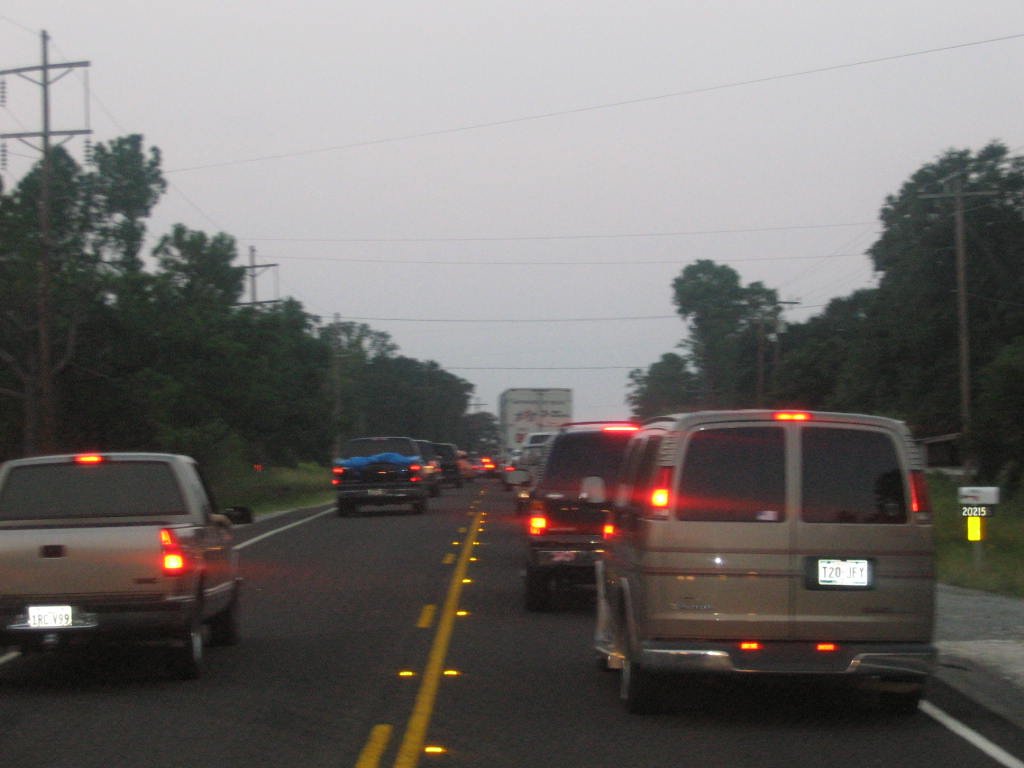
Mass evacuation security planning begins long before any actual emergency, requiring authorities to map evacuation routes with sufficient capacity for the expected population, identify vulnerable populations such as hospital patients, nursing home residents, and people without personal vehicles who need special transportation assistance, and establish clear communication systems to issue evacuation orders and provide route guidance. Traffic management represents a particularly difficult challenge, since standard road networks are rarely designed to handle the sudden surge of vehicles that occurs when an entire region evacuates simultaneously, often requiring temporary measures such as converting inbound highway lanes to outbound traffic only.
Security Risks During Evacuation
Evacuated areas become vulnerable to looting and burglary once residents have left, prompting many jurisdictions to maintain law enforcement patrols in evacuated zones even as most other resources focus on the evacuation itself. Crowd safety at shelters, transportation hubs, and bottleneck points along evacuation routes requires careful management to prevent crush injuries or panic, particularly when evacuation orders come with limited advance warning. Fraud and scams targeting evacuees, including fake charity solicitations and price gouging on essential goods, represent an additional security concern that consumer protection agencies often address alongside physical safety measures during major evacuation events.
Coordination and Recovery
Successful mass evacuations typically require coordination across multiple government levels and jurisdictions, since evacuees often cross county or state lines and receiving communities must prepare shelter capacity and resources for an influx of displaced people. Mutual aid agreements between law enforcement agencies allow officers from unaffected areas to help secure evacuated zones or manage traffic, while clear reentry procedures help ensure that returning residents can verify their identity and property ownership before accessing restricted areas still being assessed for safety. After action reviews following major evacuations frequently identify communication gaps and traffic bottlenecks as the most common areas needing improvement for future events.
Technology and Communication Tools
Modern mass evacuation security increasingly relies on technology to manage the complex logistics of moving large populations safely. Mobile phone based emergency alert systems can push targeted evacuation notices to specific geographic areas, while traffic management centers use real time data from road sensors and cameras to identify congestion and adjust signal timing or lane configurations dynamically as evacuation traffic patterns develop. Social media has become both a valuable tool for rapid information sharing during evacuations and a significant challenge, since misinformation about road closures, shelter availability, or danger levels can spread quickly and complicate official response efforts. Geographic information systems allow emergency managers to visualize population distribution, identify vulnerable populations needing special assistance, and model evacuation timing scenarios well before an actual emergency occurs, informing more realistic planning assumptions. License plate readers and similar technologies positioned along evacuation routes can help law enforcement track traffic flow and identify vehicles that may need assistance, while also supporting security efforts by identifying unusual patterns that might indicate someone attempting to enter rather than leave an evacuated area for criminal purposes. These technology tools work best when integrated into broader evacuation plans rather than treated as standalone solutions, since technology failures during a disaster, such as cell tower damage, remain a real possibility that backup communication methods must address.
Vulnerable Populations and Special Needs
Mass evacuation planning must give particular attention to populations who cannot evacuate using the same methods as the general public, including hospital patients requiring medical equipment during transport, nursing home residents with mobility limitations, people experiencing homelessness who may not receive standard evacuation notices through typical channels, and households without personal vehicles who depend on public transportation or organized transport assistance to leave at all. Registries that allow people with specific medical or mobility needs to register in advance for evacuation assistance have become common in many jurisdictions, though participation rates often remain lower than planners would prefer, leaving gaps in knowledge about exactly who may need help when an actual evacuation order is issued. Language access represents another significant consideration, since evacuation orders and safety information must reach non-English speaking populations and recent immigrants who may not trust official government communication channels based on past experience, requiring partnerships with trusted community organizations to ensure critical safety information actually reaches every segment of an increasingly diverse population. Pet owners present a further planning challenge, since many people have historically refused to evacuate rather than leave pets behind, prompting many jurisdictions to establish pet friendly shelter options specifically to improve overall evacuation compliance rates among the broader population.
Interstate and Regional Coordination
Many large scale evacuations cross state or regional boundaries, requiring formal coordination agreements that address practical questions such as which jurisdiction law enforcement officers can exercise authority in, how receiving states handle evacuee identification and benefit access, and how costs for sheltering out of state evacuees get reimbursed. Regional evacuation compacts, developed in advance of hurricane season or other predictable seasonal risks, establish these arrangements ahead of time rather than attempting to negotiate them during an active emergency when time pressure is most acute. Interstate mutual aid systems also allow law enforcement and emergency management personnel to deploy across state lines to support evacuation security operations, extending the effective capacity available to any single affected state during a major regional evacuation event.
Post-Evacuation Reentry Management
Managing the return of evacuees after a threat has passed requires its own security planning, including verifying resident identity at checkpoints, coordinating phased reentry to avoid overwhelming damaged infrastructure with simultaneous traffic, and maintaining continued security patrols until residents have had adequate opportunity to assess and secure their own properties following an extended absence.
Key facts
- Array
Quick checkWhat security risks does mass evacuation planning need to address beyond simply moving people?Show answer
Mass evacuation planning must address risks including looting of homes and businesses left vacant during evacuation, crowd crush or panic at shelters and transportation bottlenecks, and traffic accidents or breakdowns that can block evacuation routes for others still trying to leave.
Sources
- Array
Editorially reviewed by Specialty Digest Editorial TeamLast reviewed November 4, 2026Researched and drafted with AI assistanceReport an issue